Troubleshooting glass processing machinery can be a real headache, but as a glass processing machinery supplier, I've seen it all and got some tips that can help you get your equipment back up and running quickly. In this blog, I'll share some common issues you might face with glass processing machinery and how to fix them.
Common Issues and Solutions
Electrical Problems
One of the most common issues with glass processing machinery is electrical problems. If your machine suddenly stops working or behaves erratically, it could be due to a blown fuse, loose wiring, or a faulty motor.
First, check the power supply. Make sure the machine is properly plugged in and that the circuit breaker hasn't tripped. If the power supply is fine, inspect the wiring for any signs of damage or loose connections. Tighten any loose wires and replace any damaged ones.
If the problem persists, it might be a faulty motor. Motors can overheat or burn out over time, especially if they're used frequently. Check the motor for any signs of overheating, such as a burning smell or excessive heat. If the motor is overheating, turn off the machine and let it cool down. If the motor is burned out, you'll need to replace it.
Mechanical Problems
Mechanical problems are also common in glass processing machinery. These can include issues with the conveyor belts, rollers, or cutting blades.
If the conveyor belts aren't moving properly, check for any obstructions or debris that might be blocking them. Clean the belts and rollers regularly to prevent buildup. If the belts are loose or worn out, you'll need to adjust or replace them.
Rollers can also wear out over time, causing the glass to move unevenly or get stuck. Check the rollers for any signs of wear and replace them if necessary.
Cutting blades can become dull or damaged, resulting in poor cutting quality. Sharpen or replace the blades regularly to ensure clean and precise cuts.
Hydraulic Problems
Some glass processing machinery uses hydraulic systems to power certain functions. Hydraulic problems can include leaks, low fluid levels, or malfunctioning valves.
If you notice any hydraulic fluid leaks, locate the source of the leak and repair it. Check the fluid level regularly and top it up if necessary. If the hydraulic system isn't working properly, it could be due to a malfunctioning valve. Inspect the valves for any signs of damage or blockage and replace them if needed.
Software and Control Issues
Modern glass processing machinery often comes with advanced software and control systems. These systems can sometimes malfunction, causing the machine to operate incorrectly.
If you're experiencing software or control issues, try restarting the machine and the control system. Sometimes, a simple restart can fix minor glitches. If the problem persists, check for any software updates and install them if available.
If you're still having problems, contact the manufacturer's technical support team for further assistance. They can help you diagnose and fix the issue.


Troubleshooting Specific Machines
Vertical Glass Sand Blasting Machine
The vertical glass sand blasting machine is a popular choice for glass etching and surface treatment. Some common issues with this machine include uneven sand blasting, clogged nozzles, and low pressure.
To troubleshoot uneven sand blasting, check the sand flow rate and the position of the nozzles. Make sure the sand is flowing evenly and that the nozzles are properly aligned. If the nozzles are clogged, clean them using a wire brush or compressed air.
Low pressure can be caused by a blocked air filter or a malfunctioning compressor. Check the air filter and replace it if necessary. If the compressor isn't working properly, contact a professional for repair.
Sand Blaster for Glass Etching
The sand blaster for glass etching is another important piece of equipment. Common issues with this machine include sand leakage, poor etching quality, and inconsistent sand flow.
If you're experiencing sand leakage, check the seals and gaskets for any signs of damage. Replace any damaged seals or gaskets to prevent sand from leaking.
Poor etching quality can be caused by a variety of factors, such as incorrect sand size, low pressure, or a dirty nozzle. Make sure you're using the correct sand size for the desired etching effect. Check the pressure and adjust it if necessary. Clean the nozzle regularly to ensure a consistent sand flow.
Glass Sand Blasting Machine
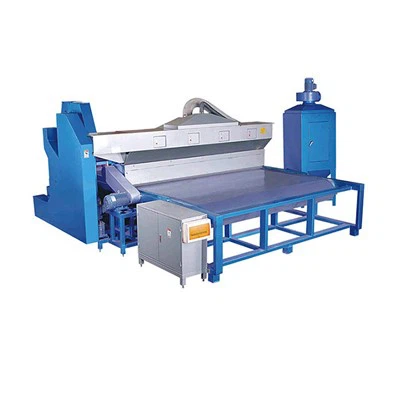
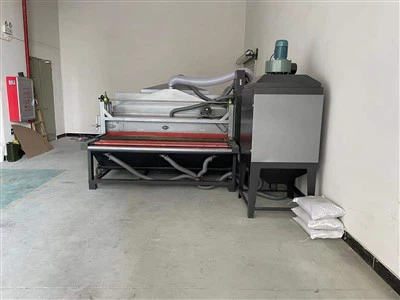
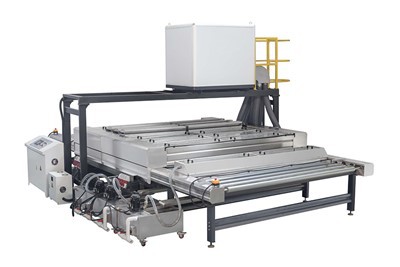
The glass sand blasting machine is used for a variety of glass processing applications. Some common issues with this machine include sand blockages, inconsistent blasting patterns, and excessive dust.
To prevent sand blockages, make sure the sand is free of debris and that the hopper is clean. Check the sand feed system for any blockages and clear them if necessary.
Inconsistent blasting patterns can be caused by a worn-out nozzle or an uneven sand flow. Replace the nozzle if it's worn out and adjust the sand flow rate to ensure a consistent pattern.
Excessive dust can be a health hazard and can also affect the performance of the machine. Install a dust collection system to capture the dust and keep the work area clean.
Preventive Maintenance
Preventive maintenance is key to keeping your glass processing machinery in good working condition. Here are some tips to help you maintain your equipment:
- Regular Cleaning: Clean the machine regularly to remove dust, debris, and sand. This will prevent buildup and extend the life of the equipment.
- Lubrication: Lubricate the moving parts of the machine regularly to reduce friction and wear. Follow the manufacturer's recommendations for lubrication.
- Inspection: Inspect the machine regularly for any signs of damage or wear. Check the belts, rollers, blades, and other components for any issues.
- Calibration: Calibrate the machine regularly to ensure accurate and consistent performance. Follow the manufacturer's instructions for calibration.
- Training: Make sure your operators are properly trained on how to use and maintain the equipment. This will help prevent operator error and ensure safe and efficient operation.
Conclusion
Troubleshooting glass processing machinery can be challenging, but with the right knowledge and tools, you can quickly identify and fix common issues. By following the tips in this blog and performing regular preventive maintenance, you can keep your equipment running smoothly and minimize downtime.
If you're in the market for glass processing machinery or need help with troubleshooting or maintenance, don't hesitate to contact us. We're a leading glass processing machinery supplier with years of experience and a team of experts who can help you find the right equipment for your needs and provide you with the support you need to keep it running.
References
- Manufacturer's manuals and documentation
- Industry best practices and guidelines
- Personal experience and expertise as a glass processing machinery supplier