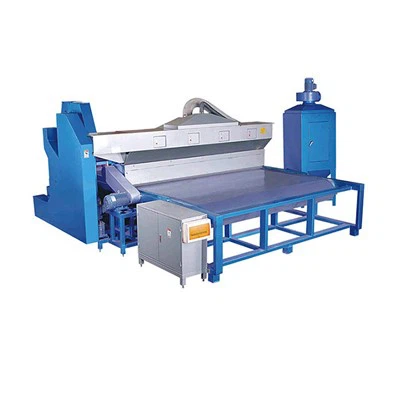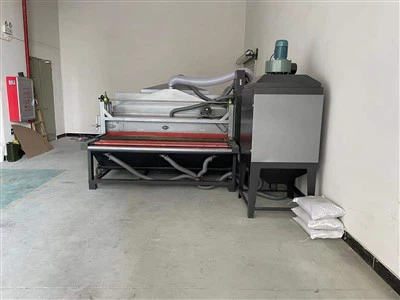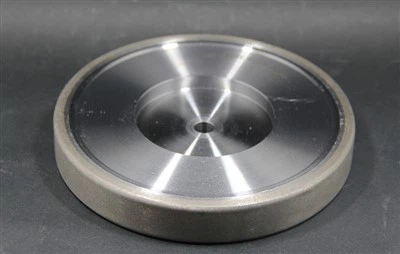
Crafting a DIY glass polish wheel can be an exciting and rewarding project, especially for those in the glassworking industry or hobbyists. As a supplier of Glass Polish Wheels, I understand the intricacies and importance of having the right tools for the job. In this blog, I'll guide you through the process of making your own glass polish wheel while also highlighting some related products from our range.
Understanding the Basics of a Glass Polish Wheel
Before diving into the DIY process, it's essential to understand what a glass polish wheel is and how it works. A glass polish wheel is a tool used to smooth and shine the edges and surfaces of glass. It typically consists of a wheel made of a material that can hold an abrasive compound, which is then used to grind and polish the glass. The abrasive compound is crucial as it determines the level of polish and the speed at which the glass is smoothed.
Materials and Tools Required
To make a DIY glass polish wheel, you'll need the following materials and tools:
- Wheel Base: You can use a wooden or plastic wheel as the base. Make sure it's strong enough to withstand the pressure during the polishing process.
- Abrasive Material: There are various types of abrasive materials available, such as diamond powder, silicon carbide, or aluminum oxide. The choice of abrasive depends on the level of polish you want to achieve.
- Adhesive: A strong adhesive is needed to attach the abrasive material to the wheel base. Epoxy resin is a popular choice as it provides a strong bond.
- Tools: You'll need a drill, sandpaper, a knife, and a container to mix the adhesive.
Step-by-Step Guide to Making a DIY Glass Polish Wheel
Step 1: Prepare the Wheel Base
Start by cleaning the wheel base thoroughly to remove any dirt or debris. If the wheel has rough edges, use sandpaper to smooth them out. This will ensure a better bond between the wheel base and the abrasive material.
Step 2: Choose the Abrasive Material
Select the appropriate abrasive material based on the type of glass you'll be working with and the desired level of polish. For example, diamond powder is ideal for achieving a high gloss finish on hard glass, while silicon carbide is better suited for softer glass.
Step 3: Mix the Adhesive
Follow the instructions on the adhesive package to mix the epoxy resin. Make sure to mix it thoroughly to ensure a strong bond.

Step 4: Apply the Abrasive Material
Dip the wheel into the adhesive and then into the abrasive material. Make sure the abrasive material is evenly distributed on the wheel surface. You can also use a brush to apply the adhesive and then sprinkle the abrasive material on top.
Step 5: Let the Wheel Dry
Allow the wheel to dry completely before using it. This may take several hours or even overnight, depending on the type of adhesive used.
Step 6: Test the Wheel
Once the wheel is dry, test it on a small piece of glass to ensure it's working properly. If the wheel is not providing the desired level of polish, you may need to adjust the abrasive material or the pressure.
Benefits of Making a DIY Glass Polish Wheel
Making your own glass polish wheel has several benefits:
- Cost-Effective: Buying a pre-made glass polish wheel can be expensive, especially if you need multiple wheels. Making your own wheel allows you to save money.
- Customization: You can customize the wheel by choosing the type of abrasive material and the wheel size according to your specific needs.
- Learning Experience: The DIY process provides a valuable learning experience, allowing you to understand the mechanics of a glass polish wheel better.
Related Products from Our Range
As a Glass Polish Wheel supplier, we also offer a range of related products that can enhance your glassworking experience:
- CNC Diamond Milling Wheel: This wheel is designed for use with CNC machines and provides precise and efficient cutting and milling of glass.
- Diamond Core Drill for Glass: Ideal for drilling holes in glass, this drill uses diamond-tipped bits to ensure clean and accurate holes.
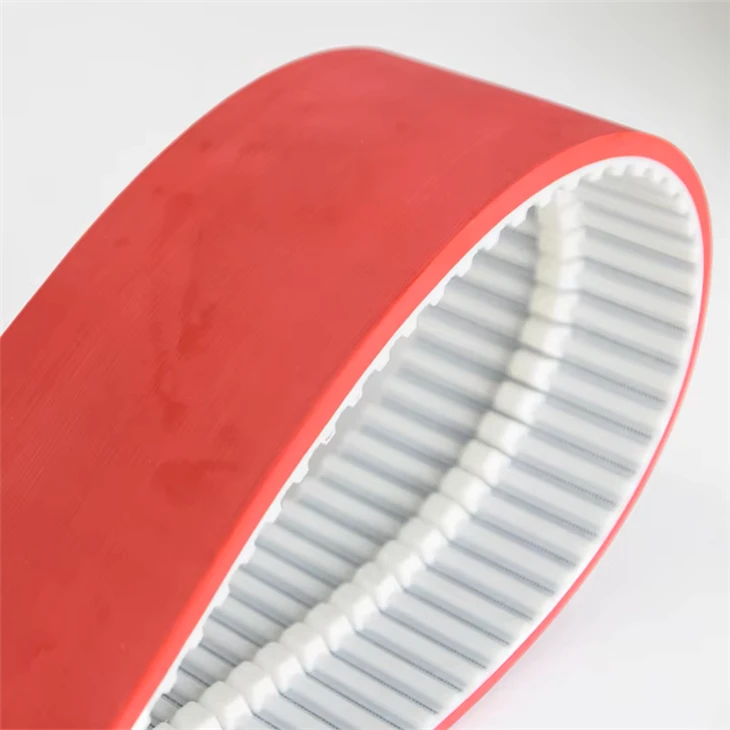
- PU Timing Belt: This belt is used to transfer power between the motor and the glass polish wheel, ensuring smooth and consistent operation.
Contact Us for Procurement and洽谈
If you're interested in purchasing Glass Polish Wheels or any of our related products, we'd love to discuss your requirements. Our team of experts can provide you with detailed information about our products and help you choose the right ones for your needs. Whether you're a professional glassworker or a hobbyist, we have the products and expertise to support your projects.
References
- Glassworking Handbook, Third Edition. Various authors. This comprehensive guide provides in-depth knowledge about glassworking techniques and tools.
- DIY Glass Projects: A Practical Guide. Author unknown. It offers step-by-step instructions for various glass DIY projects, including making polish wheels.
- Scientific Research on Abrasive Materials in Glass Polishing. Journal of Glass Science, Vol. XX, Issue YY. This academic paper explores the properties and effectiveness of different abrasive materials in glass polishing.