As a grit blasting machine supplier, I've seen firsthand how a well - optimized abrasive flow can make an enormous difference in the performance and efficiency of these machines. Today, I'm gonna share some tips on how to optimize the abrasive flow in a grit blasting machine.
First off, understand the basics. The abrasive flow in a grit blasting machine is essentially about how the abrasives move from the storage container to the blasting nozzle and then onto the workpiece. It's crucial to get this flow smooth and consistent because a jumbled or uneven flow can lead to inconsistent blasting results, wasted abrasives, and even premature wear on machine components.
1. Select the Right Abrasive
The type of abrasive you choose plays a huge role in the flow. Different abrasives have different properties like granular shape, size, and density, all of which affect how they flow. For instance, angular abrasives might not flow as smoothly as rounded ones because they can get stuck on each other more easily. In my experience, if you're working on a job that requires a fine finish, using a smaller - sized, rounded abrasive like glass beads can be a great choice. They flow well and leave a smooth surface.
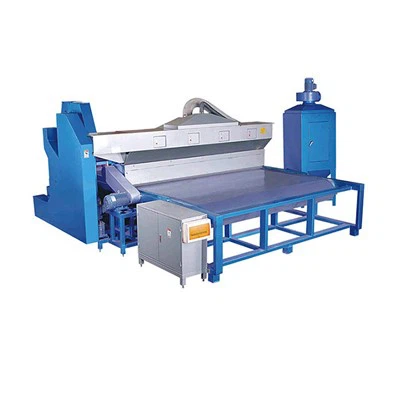
You can visit our Glass Sandblasting Machine page to learn more about how these machines work with different abrasives for glass - related applications.
2. Keep the Abrasive Clean
A dirty abrasive is a nightmare for the flow. Contaminants like dirt, dust, or even broken pieces of the abrasive itself can clog up the system. It's like having debris in your pipes at home; it slows everything down and can cause blockages. Make sure to filter the abrasive regularly. Most grit blasting machines come with built - in filters, but you might need to check and clean them frequently. Also, store the abrasive in a clean and dry place to prevent contamination in the first place.
3. Adjust the Air Pressure
Air is what propels the abrasive through the machine. If the air pressure is too low, the abrasive won't flow properly; it'll just kind of sit there. On the other hand, if it's too high, it can cause excessive wear on the machine and might even blow the abrasive out too forcefully, leading to an uneven blast pattern. You need to find that sweet spot. Start by referring to the machine's manual for the recommended air pressure range. Then, do some test runs on a scrap piece of material and adjust as needed.
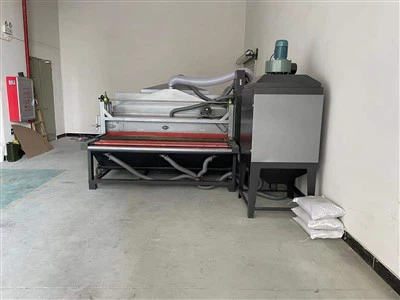
Our Grit Blasting Machine models are designed to work with a specific air pressure range, and following these guidelines can really optimize the abrasive flow.
4. Inspect and Maintain the Hose and Nozzle
The hose and nozzle are the final legs of the abrasive journey. A kinked or damaged hose can severely disrupt the flow. Regularly check the hose for any signs of wear, such as cracks or holes. If you find any, replace it right away. The nozzle is also critical. Over time, the nozzle can wear down, changing its shape and affecting the way the abrasive exits the machine. Swap out worn - out nozzles according to the manufacturer's recommendations.
5. Use a Separating System
A good separating system can make a world of difference. It helps to separate used and new abrasives, as well as remove any contaminants from the abrasive stream. This not only improves the abrasive flow but also extends the life of the abrasive. For example, if you're doing a large - scale blasting job, having a cyclone separator can effectively separate the fine dust and debris from the reusable abrasives.
6. Optimize the Hopper Design
The hopper is where the abrasive is stored before it enters the blasting system. Its design can significantly impact the flow. An ideal hopper should have a conical shape that allows the abrasive to flow smoothly towards the outlet. Also, make sure the hopper is not overfilled. Overfilling can cause the abrasive to pack down and create a blockage. Leave some space at the top to allow for proper movement of the abrasives.
7. Consider the Quantity of Abrasive
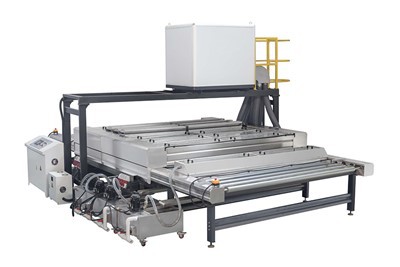
Monitoring the amount of abrasive in the system is key. If there's too little abrasive, the flow can be inconsistent because the machine might not be able to maintain a steady stream. If there's too much, it can lead to over - loading and potential blockages. For smaller jobs, you might want to use a Small Sand Blasting Machine which can handle smaller quantities of abrasive more efficiently.
8. Regular Machine Maintenance
Last but not least, regular maintenance of the entire grit blasting machine is vital. This includes lubricating moving parts, checking the electrical connections (if it's an electrically - powered machine), and generally making sure everything is in good working condition. A well - maintained machine will have a more reliable abrasive flow.
In summary, optimizing the abrasive flow in a grit blasting machine involves a combination of selecting the right abrasive, keeping it clean, adjusting air pressure, maintaining the hose and nozzle, using a separating system, optimizing the hopper design, monitoring the abrasive quantity, and regular machine maintenance. By following these steps, you can ensure that your grit blasting machine operates at peak efficiency, giving you consistent and high - quality results.


If you're looking to purchase a grit blasting machine or need more advice on optimizing the abrasive flow for your specific application, don't hesitate to reach out. Our team is always ready to help you find the best solutions for your blasting needs.
References
- "Blasting Abrasives Handbook", an industry - specific guide on abrasive selection and use.
- Manufacturer's manuals of various grit blasting machines for technical specifications and maintenance guidelines.