Optimizing the layout of glass processing machinery in a factory is a crucial aspect that can significantly impact the efficiency, productivity, and safety of the entire glass manufacturing process. As a seasoned glass processing machinery supplier, I've witnessed firsthand how a well - planned layout can transform a factory's operations. In this blog, I'll share some key strategies and considerations for optimizing the layout of glass processing machinery.
Understanding the Glass Processing Workflow
Before diving into the layout design, it's essential to have a clear understanding of the glass processing workflow. The typical glass processing steps include cutting, grinding, polishing, sandblasting, and tempering. Each step requires specific machinery and has its own space and operational requirements.

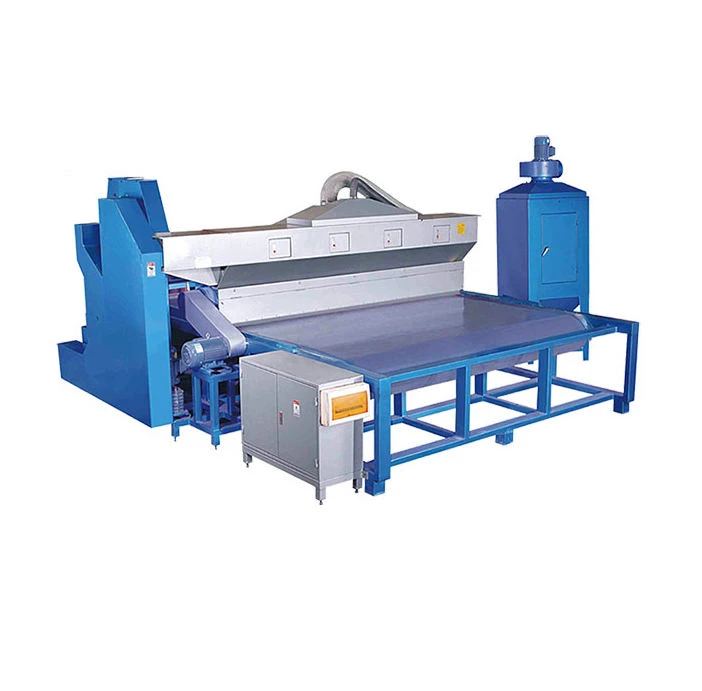
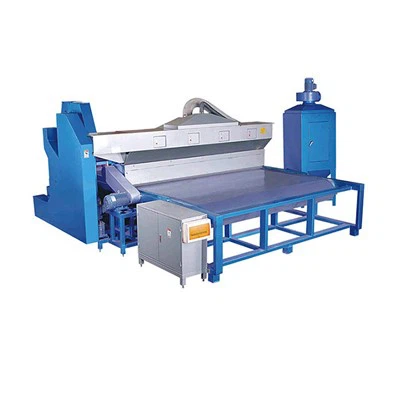
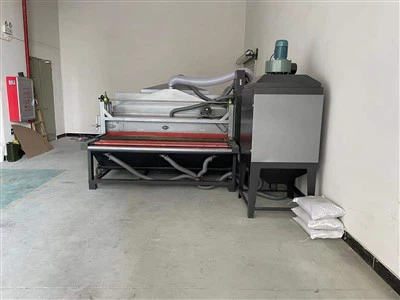
For instance, the cutting process usually involves large - scale cutting machines that need a relatively open area to accommodate the movement of large glass sheets. Grinding and polishing machines, on the other hand, may generate dust and require proper ventilation systems, which should be factored into the layout. Sandblasting is a process that can be quite messy, and the Glass Sandblasting Machine used in this step needs to be placed in a well - contained area.
Space Utilization and Efficiency
One of the primary goals of optimizing the machinery layout is to make the most of the available factory space. A compact yet functional layout can reduce the distance that glass products need to travel between different processing steps, thereby saving time and labor.
- Grouping Similar Machines: Grouping machines that perform similar functions together can streamline the workflow. For example, all the cutting machines can be placed in one section of the factory, followed by the grinding and polishing machines in an adjacent area. This way, workers can easily move the glass from one machine to another without having to cross long distances.
- Consider the Flow Direction: Design the layout in a way that allows for a smooth and logical flow of materials. The glass sheets should enter the factory at one end, go through all the processing steps in a sequential manner, and exit at the other end. This unidirectional flow can prevent congestion and improve overall efficiency.
Safety and Maintenance
Safety is of utmost importance in any factory environment, and the layout of glass processing machinery should reflect this.
- Safety Zones: Create safety zones around each machine, especially those that pose a higher risk, such as the Vertical Glass Sand Blasting Machine. These zones should be clearly marked and free from any obstructions. Adequate space should be provided for workers to operate the machines safely and to perform maintenance tasks.
- Accessibility for Maintenance: Ensure that all machines are easily accessible for maintenance. This includes providing enough space around the machines for technicians to open panels, replace parts, and perform routine inspections. A well - planned layout can reduce the downtime associated with machine maintenance and repairs.
Flexibility and Future Expansion
The glass processing industry is constantly evolving, and factories need to be able to adapt to new technologies and changing market demands. Therefore, the layout of the machinery should be flexible enough to accommodate future expansion or changes in the production process.
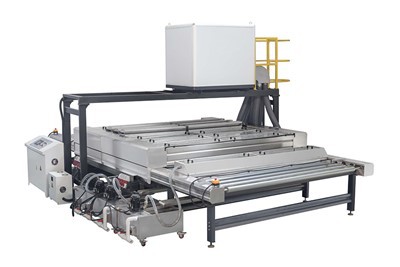
- Modular Design: Consider using a modular design for the machinery layout. This allows for easy addition or removal of machines as needed. For example, if the factory decides to introduce a new type of glass processing technology, such as a more advanced Glass Sand Blasting Machine, it can be easily integrated into the existing layout without major disruptions.
- 预留空间: Set aside some extra space in the factory for future growth. This can be used for installing new machines, expanding storage areas, or adding new production lines.
Ergonomics for Workers
The well - being of the workers should also be taken into account when optimizing the layout of glass processing machinery.
- Workstation Design: Design the workstations in an ergonomic manner. This includes adjusting the height of the machines to a comfortable working level, providing proper lighting, and minimizing the need for workers to bend or reach awkwardly.
- Rest Areas and Break Rooms: Include rest areas and break rooms in the factory layout. These areas can help workers recharge and reduce fatigue, which in turn can improve their productivity and job satisfaction.
Integration with Other Factory Systems
The glass processing machinery layout should be integrated with other factory systems, such as the ventilation system, power supply, and material handling system.
- Ventilation: As mentioned earlier, some glass processing machines, like the sandblasting machines, generate dust and fumes. The layout should ensure that the ventilation system can effectively remove these pollutants from the work area. The placement of the machines should be coordinated with the ventilation ducts to maximize the efficiency of the system.
- Power Supply: Ensure that all machines have access to a reliable power supply. The layout should take into account the power requirements of each machine and the distribution of electrical cables to avoid any safety hazards.
- Material Handling: A well - designed material handling system is essential for the smooth operation of the glass processing factory. The layout should facilitate the movement of glass sheets, raw materials, and finished products. This can include the use of conveyor belts, forklifts, or automated guided vehicles (AGVs).
Cost Considerations
While optimizing the layout of glass processing machinery, cost is an important factor to consider.
- Initial Investment: The layout design should balance the need for efficiency and functionality with the initial investment required. For example, using a more advanced material handling system may improve productivity but also come with a higher upfront cost.
- Operating Costs: Consider the long - term operating costs associated with the layout. A layout that reduces energy consumption, labor costs, and machine downtime can result in significant savings over time.
Conclusion
Optimizing the layout of glass processing machinery in a factory is a multi - faceted task that requires careful planning and consideration. By understanding the glass processing workflow, maximizing space utilization, ensuring safety and maintenance, providing flexibility for future expansion, considering worker ergonomics, integrating with other factory systems, and keeping cost in mind, factories can create a layout that enhances efficiency, productivity, and safety.
If you're looking to upgrade or optimize your glass processing machinery layout, or if you're in the market for high - quality glass processing machines, I encourage you to reach out. Our team of experts can provide you with customized solutions based on your specific needs and factory conditions. Let's work together to take your glass processing operations to the next level.
References
- "Factory Layout and Material Handling" by Richard Muther
- "Ergonomics in the Workplace" by the International Labour Organization
- Industry reports on glass processing machinery and factory optimization