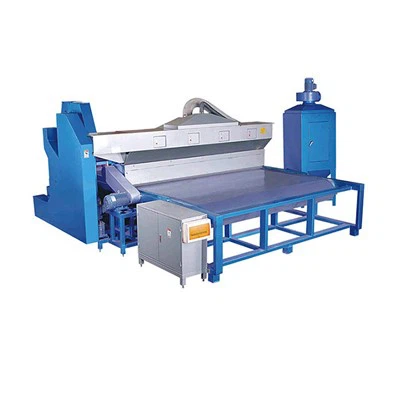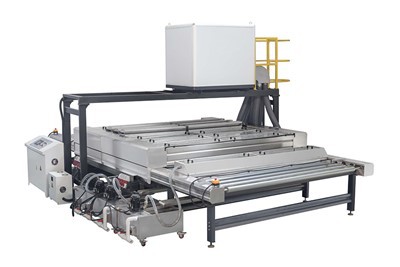
In the glass manufacturing industry, the glass strengthening furnace plays a pivotal role in enhancing the mechanical properties of glass products. However, one common issue that often plagues both manufacturers and workers is the high noise level generated by these furnaces. Excessive noise not only creates an unpleasant working environment but also poses potential health risks to employees, such as hearing loss and stress-related disorders. As a leading Glass Strengthening Furnace [/glass-tempering-furnace/glass-strengthening-furnace.html] supplier, we understand the importance of addressing this problem. In this blog, we will explore several effective strategies to reduce the noise level of a glass strengthening furnace.
Understanding the Sources of Noise in Glass Strengthening Furnaces
Before we delve into the solutions, it is crucial to understand the primary sources of noise in glass strengthening furnaces. The main contributors to the noise include:
- Mechanical Components: The moving parts of the furnace, such as motors, fans, and conveyor belts, generate noise during operation. The vibration and friction between these components can produce significant sound levels.
- Combustion Process: If the furnace uses a combustion system for heating, the burning of fuel can create noise. The rapid expansion of gases and the interaction between the flame and the surrounding air contribute to the overall noise.
- Airflow: The movement of air within the furnace, especially in the ventilation system, can cause noise. Turbulent airflow and the impact of air on the furnace walls can result in audible sounds.
Strategies to Reduce Noise
1. Equipment Selection and Design
- High - Quality Components: When designing or selecting a glass strengthening furnace, opt for high - quality mechanical components. Motors and fans with advanced noise - reduction technologies can significantly reduce the noise generated during operation. For example, some motors are designed with special bearings and insulation materials to minimize vibration and noise.
- Aerodynamic Design: Pay attention to the airflow design within the furnace. A well - designed ventilation system with smooth ducts and proper air distribution can reduce turbulent airflow and thus lower the noise caused by air movement. This may involve using streamlined shapes for ducts and optimizing the placement of air inlets and outlets.
2. Vibration Isolation
- Anti - Vibration Mounts: Install anti - vibration mounts under the furnace and its major components. These mounts can absorb and dampen the vibrations generated by the moving parts, preventing them from being transmitted to the surrounding structure and reducing the noise level. For instance, rubber or spring - based anti - vibration mounts are commonly used in industrial equipment.
- Isolation Pads: Place isolation pads between the furnace and the floor. These pads can further isolate the furnace from the building structure, minimizing the transfer of vibrations and noise to the ground and the rest of the facility.
3. Sound Insulation
- Insulating Materials: Use sound - insulating materials to line the interior and exterior of the furnace. Materials such as fiberglass, mineral wool, and acoustic panels can absorb and reflect sound waves, reducing the noise that escapes from the furnace. For the interior, these materials can be installed on the furnace walls to dampen the noise generated inside. On the exterior, they can be used to create a sound - proof enclosure around the furnace.
- Enclosures: Build a sound - proof enclosure around the glass strengthening furnace. The enclosure should be made of thick, sound - absorbing materials and have proper seals to prevent sound leakage. However, it is important to ensure that the enclosure does not interfere with the normal operation of the furnace, such as ventilation and maintenance access.
4. Maintenance and Lubrication
- Regular Maintenance: Conduct regular maintenance on the furnace and its components. This includes checking for loose parts, worn - out bearings, and damaged belts. Tightening loose bolts and replacing worn components can prevent excessive vibration and noise.
- Proper Lubrication: Ensure that all moving parts are properly lubricated. Lubrication reduces friction between components, which in turn decreases the noise generated by their movement. Use high - quality lubricants recommended by the equipment manufacturer.
5. Combustion System Optimization
- Efficient Combustion: If the furnace uses a combustion system, optimize the combustion process to reduce noise. This can be achieved by adjusting the fuel - air ratio, ensuring proper ignition, and maintaining a stable flame. An efficient combustion process produces less noise and also improves the energy efficiency of the furnace.
- Noise - Reducing Burners: Consider using burners specifically designed to reduce noise. These burners may have features such as pre - mixing chambers and special flame stabilizers to minimize the noise associated with the combustion process.
Our Product Offerings
As a Glass Strengthening Furnace supplier, we offer a range of products designed with noise - reduction in mind. Our Chemical Glass Tempering Furnace is equipped with high - quality components and advanced insulation materials to minimize noise. The automatic control system in our Automatic Glass Tempering Furnace ensures efficient operation and reduces unnecessary noise from over - working components.
Conclusion
Reducing the noise level of a glass strengthening furnace is essential for creating a safe and comfortable working environment. By implementing the strategies mentioned above, including equipment selection, vibration isolation, sound insulation, maintenance, and combustion system optimization, manufacturers can effectively lower the noise generated by their furnaces. As a trusted Glass Strengthening Furnace supplier, we are committed to providing solutions that not only enhance the performance of the furnace but also address the issue of noise pollution.


If you are interested in learning more about our glass strengthening furnaces or have specific requirements regarding noise reduction, we encourage you to contact us for a detailed discussion. Our team of experts is ready to assist you in finding the most suitable solution for your glass manufacturing needs.
References
- "Industrial Noise Control and Acoustics" by Clarence E. Bies and Colin H. Hansen.
- "Handbook of Noise and Vibration Control" edited by Malcolm J. Crocker.