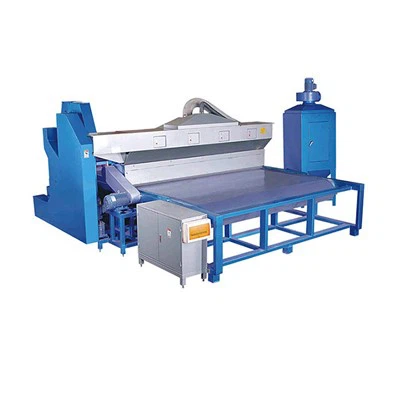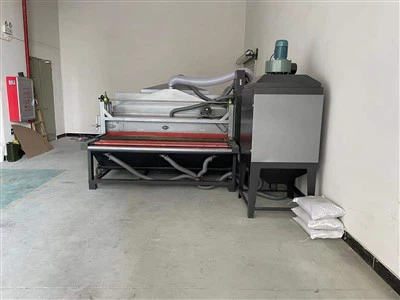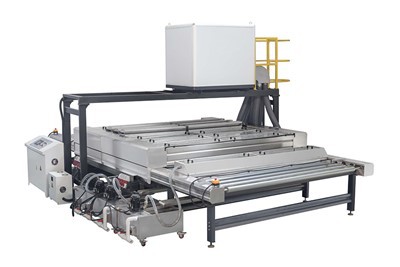
Hey there! As a supplier of Sand Blasting Glass Machines, I'm super stoked to break down the main components of these nifty pieces of equipment. Whether you're a glass artist looking to add some texture to your creations or a large - scale glass manufacturer, understanding these components is key to getting the most out of your sand blasting glass machine.
1. Cabinet
The cabinet is like the home base of the sand blasting glass machine. It's where all the action happens. Made from sturdy materials like steel or heavy - duty plastic, the cabinet is designed to contain the blasting process. This is crucial for safety reasons, as it prevents the abrasive media and dust from flying everywhere.
A well - built cabinet has a viewing window. This window allows the operator to keep an eye on the glass being blasted without opening the cabinet. It's usually made of thick, shatter - resistant glass that can withstand the impact of the abrasive particles. Some cabinets also come with built - in lighting, so you can clearly see what you're doing, even in low - light environments.
2. Blasting Gun
The blasting gun is the business end of the sand blasting glass machine. It's what actually propels the abrasive media onto the glass surface. There are different types of blasting guns, but most work on the principle of compressed air.
The gun has a nozzle, which is where the abrasive media exits. The size and shape of the nozzle can have a big impact on the blasting pattern and the intensity of the blast. For example, a smaller nozzle will create a more concentrated blast, which is great for detailed work. On the other hand, a larger nozzle can cover a bigger area more quickly, making it ideal for large - scale projects.
The blasting gun also has a trigger or a control mechanism. This allows the operator to start and stop the flow of abrasive media and adjust the pressure of the blast. Some advanced guns even have adjustable settings for different types of glass and abrasive materials.
3. Abrasive Media Hopper
The abrasive media hopper is where you store the abrasive material that will be used in the blasting process. It's usually located on top of the cabinet or attached to the side. The hopper needs to be large enough to hold an adequate amount of abrasive media, so you don't have to keep refilling it during a long project.
The hopper has a valve or a feeder mechanism that controls the flow of the abrasive media into the blasting gun. This mechanism ensures a consistent and even flow of the media, which is essential for achieving a uniform finish on the glass. Different types of abrasive media, such as sand, glass beads, or aluminum oxide, can be used depending on the desired effect on the glass.
4. Compressor
A compressor is an essential component of a sand blasting glass machine. It provides the compressed air that powers the blasting gun. The size and power of the compressor depend on the size of the machine and the type of blasting you'll be doing.
A good compressor should be able to maintain a steady air pressure throughout the blasting process. If the air pressure fluctuates, it can result in an uneven blast pattern on the glass. Some compressors come with built - in pressure regulators, which allow you to adjust the air pressure according to your needs.
5. Dust Collection System
One of the biggest challenges in sand blasting is dealing with the dust generated by the process. That's where the dust collection system comes in. This system is designed to capture and remove the dust and debris created during blasting.
There are different types of dust collection systems, such as cyclone separators and bag filters. Cyclone separators use centrifugal force to separate the dust from the air, while bag filters trap the dust in a series of fabric bags. A good dust collection system not only keeps the work environment clean but also protects the operator's health by reducing the inhalation of harmful dust particles.
6. Turntable or Conveyor System
In some sand blasting glass machines, especially those used in industrial settings, a turntable or a conveyor system is included. A turntable allows you to rotate the glass piece during blasting, ensuring that all sides of the glass are evenly blasted. This is great for circular or irregularly shaped glass objects.
A conveyor system, on the other hand, is used for continuous blasting of multiple glass pieces. It moves the glass through the blasting area at a controlled speed, which increases the efficiency of the process. This is commonly used in large - scale glass manufacturing plants.
7. Control Panel
The control panel is the brain of the sand blasting glass machine. It allows the operator to control various functions of the machine, such as the air pressure, the flow rate of the abrasive media, and the speed of the conveyor system (if applicable).
The control panel usually has a series of buttons, switches, and gauges. Some modern machines even come with digital control panels that can be programmed to perform specific blasting tasks. This makes it easier for operators to achieve consistent results, especially when working on complex projects.
Different Types of Sand Blasting Glass Machines
If you're in the market for a sand blasting glass machine, there are different options available. For small - scale projects or hobbyists, a Small Sand Blasting Machine might be the way to go. These machines are compact, easy to use, and relatively affordable.


For larger projects or commercial use, Glass Sandblasting Equipment and Grit Blasting Machine offer more power and features. They can handle larger glass pieces and more intensive blasting tasks.
Conclusion
So, there you have it - the main components of a sand blasting glass machine. Each component plays a crucial role in the overall performance of the machine, from containing the blasting process in the cabinet to achieving a perfect finish on the glass with the blasting gun.
If you're interested in purchasing a sand blasting glass machine or have any questions about our products, feel free to reach out. We're here to help you find the right machine for your needs and ensure that you get the best results possible. Whether you're a beginner or an experienced professional, our machines are designed to meet your requirements.
References
- "Sand Blasting Technology Handbook"
- Industry reports on glass processing machinery