As a reputable supplier of CNC diamond milling cutters, I've encountered numerous inquiries regarding the appropriate cutting speed ranges for different materials. Understanding these ranges is crucial for achieving optimal performance, precision, and tool life. In this blog post, I'll delve into the cutting speed ranges for various materials when using CNC diamond milling cutters, providing valuable insights for both novice and experienced machinists.
Cutting Speed Basics
Before we explore the specific cutting speed ranges for different materials, let's briefly understand what cutting speed is. Cutting speed, often denoted as Vc, refers to the speed at which the cutting edge of the tool moves relative to the workpiece surface. It is typically measured in meters per minute (m/min) or feet per minute (ft/min). The cutting speed is influenced by several factors, including the material being machined, the type of tool, the feed rate, and the depth of cut.

Cutting Speed Ranges for Different Materials
1. Glass
Glass is a common material processed using CNC diamond milling cutters, especially in industries such as automotive and solar energy. When machining glass, the cutting speed should be carefully controlled to prevent cracking, chipping, and excessive tool wear.
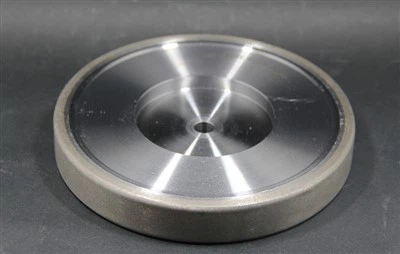
- Automotive Glass: For automotive glass, a cutting speed range of 10 - 30 m/min is generally recommended. This relatively low speed allows for precise machining and reduces the risk of damage to the glass. Automotive glass tools, which are specifically designed for this application, can be found at Automotive Glass Tools. These tools are engineered to provide optimal performance and durability when working with automotive glass.
- Solar Glass: Solar glass requires a slightly higher cutting speed compared to automotive glass. A range of 20 - 40 m/min is typically suitable for solar glass machining. Solar glass diamond grinding wheels, available at Solar Glass Diamond Grinding Wheels, are designed to handle the specific requirements of solar glass processing, ensuring efficient and accurate machining.
2. Ceramics
Ceramics are known for their high hardness and brittleness, which makes machining them a challenging task. When using CNC diamond milling cutters to machine ceramics, the cutting speed needs to be carefully selected to avoid cracking and achieve a smooth surface finish.
- Alumina Ceramics: Alumina ceramics are one of the most commonly used ceramic materials. For alumina ceramics, a cutting speed range of 15 - 35 m/min is recommended. This speed range allows for effective material removal while minimizing the risk of tool breakage and surface damage.
- Zirconia Ceramics: Zirconia ceramics are tougher than alumina ceramics but still require careful machining. A cutting speed range of 10 - 30 m/min is typically suitable for zirconia ceramics. This slower speed helps to control the cutting forces and prevent chipping.
3. Composites
Composites are made up of two or more different materials, such as fibers and resins, and are widely used in aerospace, automotive, and other industries. Machining composites requires special attention to avoid delamination, fiber pull - out, and other defects.
- Carbon Fiber Reinforced Polymers (CFRP): For CFRP, a cutting speed range of 60 - 120 m/min is generally recommended. This relatively high speed helps to reduce the heat generated during machining and minimize the risk of resin melting and fiber damage.
- Glass Fiber Reinforced Polymers (GFRP): GFRP can be machined at a slightly lower cutting speed compared to CFRP. A range of 40 - 80 m/min is typically suitable for GFRP. This speed range allows for efficient material removal while maintaining the integrity of the glass fibers.
4. Metals
Although diamond milling cutters are not as commonly used for metal machining as for non - metal materials, they can be used for certain metals, especially hard and abrasive metals.
- Titanium Alloys: Titanium alloys are known for their high strength - to - weight ratio and excellent corrosion resistance. When machining titanium alloys with a CNC diamond milling cutter, a cutting speed range of 20 - 50 m/min is recommended. This relatively low speed helps to control the cutting temperature and prevent tool wear.
- Stainless Steel: Stainless steel is a widely used metal in various industries. For stainless steel machining, a cutting speed range of 30 - 60 m/min is typically suitable. However, the specific speed may need to be adjusted depending on the grade of stainless steel and the machining conditions.
Factors Affecting Cutting Speed
In addition to the material being machined, several other factors can affect the cutting speed when using CNC diamond milling cutters:
- Tool Geometry: The geometry of the diamond milling cutter, such as the number of flutes, the helix angle, and the rake angle, can have a significant impact on the cutting speed. A cutter with a larger number of flutes can generally operate at a higher cutting speed, as it can remove more material per revolution.
- Feed Rate: The feed rate, which is the distance the tool advances per revolution, also affects the cutting speed. A higher feed rate may require a lower cutting speed to maintain the same level of cutting force and surface finish.
- Depth of Cut: The depth of cut is the thickness of the material removed in each pass. A larger depth of cut may require a lower cutting speed to prevent excessive tool wear and damage to the workpiece.
Importance of Selecting the Right Cutting Speed
Selecting the right cutting speed is crucial for several reasons:
- Tool Life: Using the correct cutting speed can significantly extend the life of the CNC diamond milling cutter. A cutting speed that is too high can cause rapid tool wear, while a speed that is too low may result in inefficient machining and increased production time.
- Surface Finish: The cutting speed has a direct impact on the surface finish of the machined workpiece. A proper cutting speed can help to achieve a smooth and accurate surface finish, which is essential for many applications.
- Productivity: By selecting the optimal cutting speed, machinists can improve productivity by reducing the machining time and increasing the material removal rate.
Conclusion
In conclusion, the cutting speed range for different materials when using a CNC diamond milling cutter varies depending on the material properties, tool geometry, feed rate, and depth of cut. By understanding these factors and selecting the appropriate cutting speed, machinists can achieve optimal performance, precision, and tool life. Whether you are working with glass, ceramics, composites, or metals, it is essential to choose the right cutting speed for your specific application.
If you are interested in purchasing high - quality CNC diamond milling cutters or need more information about cutting speed ranges for different materials, please feel free to contact us. Our team of experts is ready to assist you in finding the best solutions for your machining needs.
References
- "Machining of Advanced Materials" by John A. Schey
- "Manufacturing Engineering and Technology" by S. Kalpakjian and S. R. Schmid