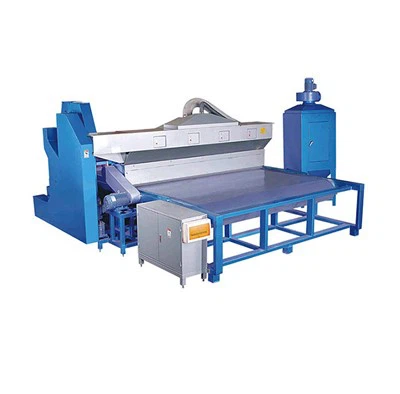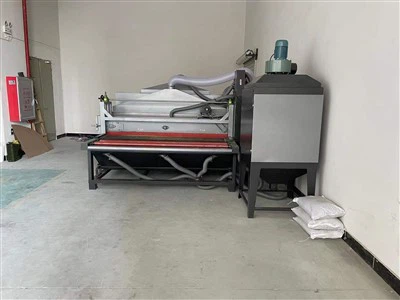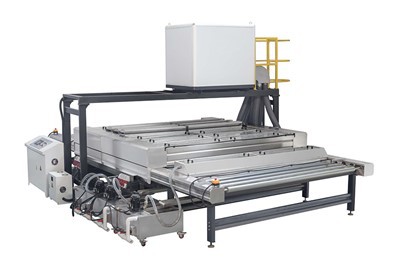
In the realm of glass processing, sand blasting is a technique that has gained significant popularity for creating decorative and functional glass products. As a leading Sand Blasting Glass Machine supplier, we understand the importance of choosing the right equipment for your specific needs. One of the key decisions you'll face is whether to opt for a dry or wet sand blasting glass machine. In this blog post, we'll explore the differences between these two types of machines, their advantages and disadvantages, and help you determine which one is best suited for your glass processing requirements.
Working Principles
Dry Sand Blasting Glass Machines
Dry sand blasting glass machines operate by propelling abrasive particles at high speed through a nozzle using compressed air. The abrasive material, such as silica sand, aluminum oxide, or glass beads, is stored in a hopper and fed into the blasting gun. When the compressed air is released, it creates a high-velocity stream of abrasive particles that impact the glass surface, removing the outer layer and creating the desired finish.
Wet Sand Blasting Glass Machines
Wet sand blasting glass machines, on the other hand, use a mixture of water and abrasive particles. The abrasive is suspended in the water, and the mixture is pumped through the blasting gun. The water serves several purposes: it reduces dust emissions, cools the glass surface during the blasting process, and helps to carry away the debris. The water also acts as a lubricant, which can result in a smoother finish compared to dry sand blasting.
Advantages and Disadvantages
Dry Sand Blasting Glass Machines
- Advantages
- High Efficiency: Dry sand blasting is generally faster than wet sand blasting because there is no need to deal with the water and drying process. This makes it ideal for large-scale production where speed is crucial.
- Versatility: Dry sand blasting can be used with a wide range of abrasive materials, allowing for greater flexibility in achieving different finishes on the glass surface.
- Cost-Effective: Dry sand blasting machines are typically less expensive to purchase and operate compared to wet sand blasting machines. They also require less maintenance, as there are no water-related components to worry about.
- Disadvantages
- Dust Emissions: One of the main drawbacks of dry sand blasting is the generation of a large amount of dust. This can be a health hazard for operators and may require the use of proper ventilation and personal protective equipment.
- Surface Damage: The high-velocity impact of the abrasive particles in dry sand blasting can sometimes cause micro-cracks or other damage to the glass surface, especially if the blasting pressure is not carefully controlled.
- Limited Finish Options: While dry sand blasting can achieve a variety of finishes, it may not be as effective as wet sand blasting in creating very smooth or fine finishes.
Wet Sand Blasting Glass Machines
- Advantages
- Reduced Dust: The use of water in wet sand blasting significantly reduces dust emissions, making it a safer and more environmentally friendly option. This is particularly important in indoor or confined spaces where dust control is a concern.
- Smoother Finish: The water in wet sand blasting acts as a cushion, reducing the impact of the abrasive particles on the glass surface. This results in a smoother and more uniform finish, which is often preferred for decorative glass applications.
- Less Surface Damage: The water also helps to prevent overheating and reduces the risk of micro-cracks or other damage to the glass surface. This makes wet sand blasting a better choice for delicate or thin glass.
- Disadvantages
- Lower Efficiency: Wet sand blasting is generally slower than dry sand blasting due to the additional steps involved in mixing the water and abrasive, as well as the need to dry the glass after blasting.
- Higher Cost: Wet sand blasting machines are typically more expensive to purchase and operate compared to dry sand blasting machines. They also require a water supply and proper drainage, which can add to the overall cost.
- Maintenance Requirements: The water in wet sand blasting machines can cause corrosion and other issues if not properly maintained. Regular cleaning and maintenance of the water system are essential to ensure the longevity of the machine.
Applications
Dry Sand Blasting Glass Machines
- Industrial Applications: Dry sand blasting is commonly used in industrial settings for tasks such as removing paint, rust, or other contaminants from glass surfaces. It is also used for creating a rough or textured finish on glass for applications such as signage or architectural glass.
- Large-Scale Production: Due to its high efficiency, dry sand blasting is well-suited for large-scale production of glass products, such as mirrors, windows, and glass panels.
Wet Sand Blasting Glass Machines
- Decorative Glass: Wet sand blasting is often preferred for decorative glass applications, such as creating frosted or etched designs on glass. The smooth finish and reduced risk of surface damage make it ideal for achieving high-quality, intricate designs.
- Artistic Glass: Artists and craftsmen also use wet sand blasting to create unique and detailed glass art pieces. The ability to control the blasting process more precisely allows for greater creativity and precision in the design.
Choosing the Right Machine
When choosing between a dry and wet sand blasting glass machine, there are several factors to consider:
- Production Volume: If you have a high-volume production requirement, a dry sand blasting machine may be more suitable due to its higher efficiency. However, if you are producing smaller quantities or require a more detailed finish, a wet sand blasting machine may be the better choice.
- Finish Requirements: Consider the type of finish you want to achieve on the glass surface. If you need a smooth, fine finish, a wet sand blasting machine is likely to be more effective. If a rough or textured finish is acceptable, a dry sand blasting machine may be sufficient.
- Environmental Considerations: If dust control is a concern, especially in an indoor or confined space, a wet sand blasting machine is the obvious choice. However, if you have a well-ventilated outdoor area, a dry sand blasting machine may be a more cost-effective option.
- Budget: Your budget will also play a role in your decision. Dry sand blasting machines are generally less expensive to purchase and operate, but wet sand blasting machines may offer better long-term value if you require a high-quality finish and are willing to invest in the additional equipment and maintenance.
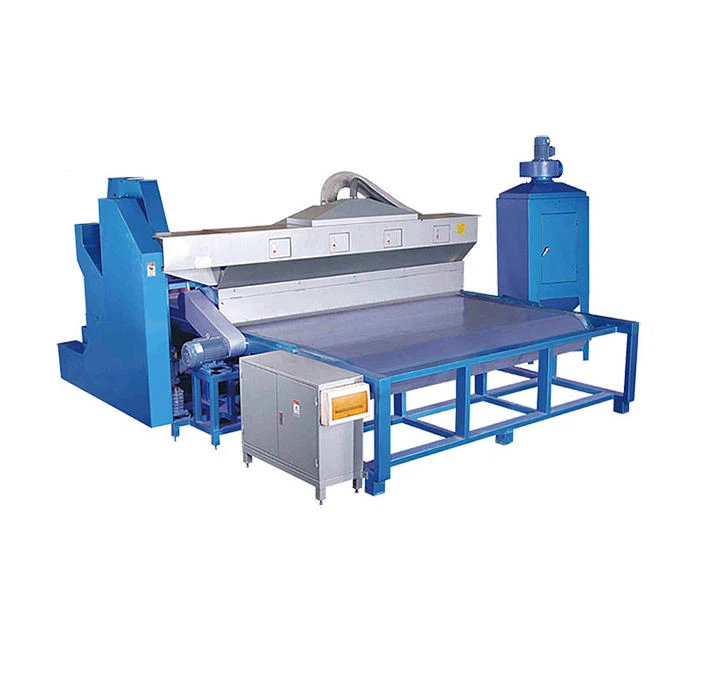
As a Sand Blasting Glass Machine supplier, we have a wide range of Glass Sandblasting Machine and Sand Blaster for Glass Etching options available to meet your specific needs. Our team of experts can help you evaluate your requirements and recommend the best machine for your application. Whether you're a large-scale manufacturer or a small business owner, we're here to provide you with the highest quality equipment and support.
If you're interested in learning more about our sand blasting glass machines or have any questions about the difference between dry and wet sand blasting, please don't hesitate to contact us. We'd be happy to discuss your needs and help you find the perfect solution for your glass processing requirements.

References
- "Sand Blasting Technology for Glass Processing" - Industry Research Report
- "Comparative Study of Dry and Wet Sand Blasting Methods in Glass Manufacturing" - Journal of Glass Science
- "Best Practices for Sand Blasting Glass" - Glass Processing Magazine