Hey there! As a supplier of Sand Blasting Glass Machines, I've been getting a lot of questions lately about how the sand particle size affects the performance of these machines. So, I thought I'd take some time to break it down for you.
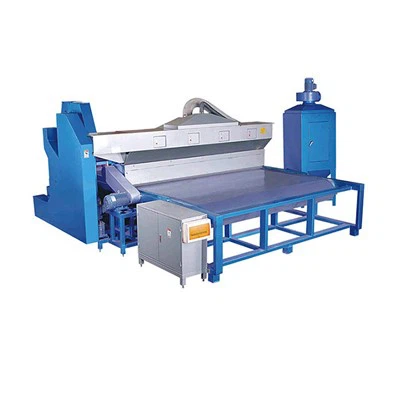
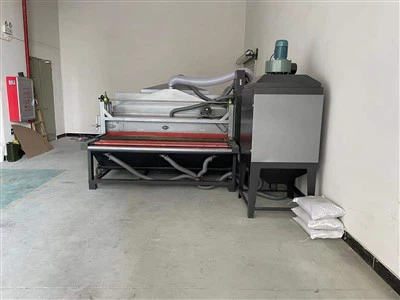
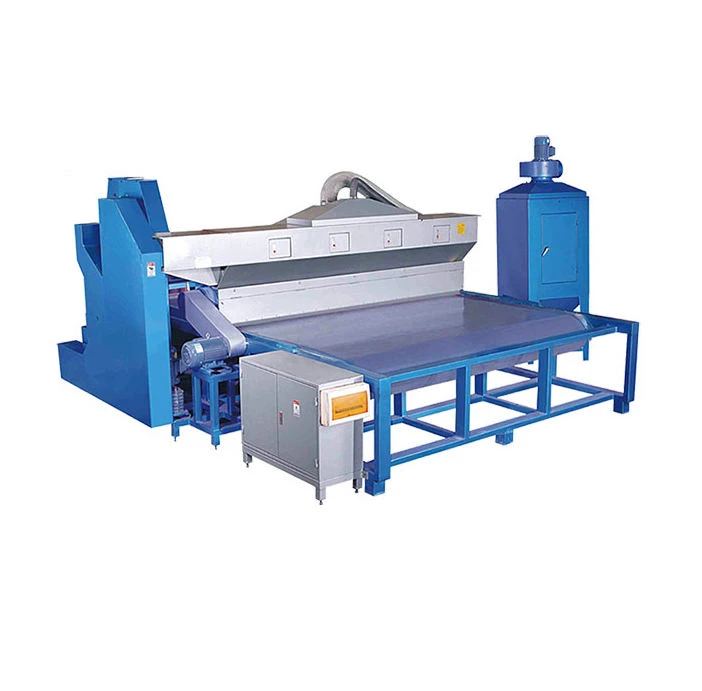
First off, let's talk about what sandblasting glass actually is. It's a process where tiny sand particles are propelled at high speeds onto a glass surface. This creates a frosted or etched effect on the glass, which can be used for decorative purposes or to obscure visibility. The Sand Blasting Glass Machine is the tool that makes this process possible. You can check out our Sand Blasting Glass Machine on our website to see the kind of equipment we offer.
Now, onto the main topic: the impact of sand particle size. The size of the sand particles used in a sandblasting process can have a huge impact on the final result and the overall performance of the machine.
Surface Finish
One of the most obvious impacts of sand particle size is on the surface finish of the glass. Smaller sand particles, say those in the range of 100 - 200 mesh, tend to create a very smooth and fine frosted finish. This is great for applications where you want a more delicate and refined look, like in high - end interior design or art glass pieces. The small particles can penetrate the glass surface more evenly, leaving a consistent and almost satin - like finish.
On the other hand, larger sand particles, around 20 - 60 mesh, will create a coarser finish. The impact of these larger particles is more pronounced, and they can create a more textured and rough surface on the glass. This type of finish is often used in industrial settings or for applications where a more rustic look is desired, like in some architectural glass installations.
Etching Depth
The size of the sand particles also affects the etching depth. Larger sand particles have more mass and momentum when they hit the glass surface. This means they can remove more material from the glass, resulting in a deeper etch. If you're looking to create a deep - etched design on the glass, using larger sand particles is the way to go.
Smaller sand particles, however, remove less material. They're better suited for shallow etching or for creating a light frosting effect. For example, if you just want to add a subtle pattern to a glass panel for privacy reasons, smaller sand particles will give you the right amount of opacity without going too deep.
Blasting Speed
Another important factor is the blasting speed. When using smaller sand particles, the machine can often operate at a higher speed. Since the particles are smaller and lighter, they can be propelled more easily through the blasting nozzle. This means you can cover a larger area of glass in a shorter amount of time.
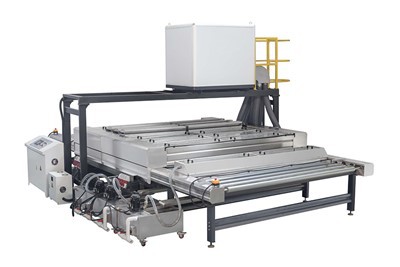
Larger sand particles, because of their weight and size, require more power to be propelled. This can slow down the blasting process. You might need to adjust the settings on your Glass Sand Blasting Machine to ensure that the larger particles are being ejected with enough force to create the desired effect.
Machine Wear and Tear
The sand particle size can also have an impact on the wear and tear of the sandblasting machine. Larger sand particles are more abrasive. They can cause more damage to the internal components of the machine, such as the blasting nozzle and the hoses. Over time, this can lead to more frequent maintenance and replacement of parts.
Smaller sand particles are less abrasive, so they cause less wear on the machine. This means you can expect your machine to last longer and require less maintenance if you're using smaller sand particles most of the time.

Cost Considerations
Cost is always a factor in any manufacturing or processing operation. Smaller sand particles are generally more expensive than larger ones. This is because they require more processing to achieve the finer size. However, since they can be used at a higher blasting speed and cause less wear on the machine, the overall cost - effectiveness might be comparable in the long run.
Larger sand particles are cheaper, but if they cause more wear on the machine and require more frequent part replacements, the cost savings on the sand might be offset by the additional maintenance costs.
Choosing the Right Sand Particle Size
So, how do you choose the right sand particle size for your sandblasting project? It really depends on your specific requirements. If you're working on a high - end art project that requires a smooth and delicate finish, go for smaller sand particles. If you're doing an industrial - scale job where a coarser finish is acceptable and you need to cover a large area quickly, larger sand particles might be the better choice.
It's also a good idea to do some test runs with different sand particle sizes on scrap glass before starting a large - scale project. This will give you a better idea of the final result and help you make an informed decision.
As a supplier of Glass Sandblasting Machine, we're always here to help you choose the right equipment and provide advice on the best sand particle size for your needs. Whether you're a small - scale glass artist or a large - scale glass manufacturer, we've got the solutions for you.
If you're interested in learning more about our Sand Blasting Glass Machines or have any questions about the sandblasting process, don't hesitate to reach out. We'd love to have a chat with you and discuss how we can help you achieve the perfect glass finish for your projects.
References
- "Glass Processing Handbook" - A comprehensive guide on various glass processing techniques, including sandblasting.
- Industry research papers on the effects of abrasive particle size in surface treatment processes.