What is the impact of the glass storage conditions before strengthening in a furnace?
As a supplier of Glass Strengthening Furnaces, I've witnessed firsthand how the storage conditions of glass before it enters the strengthening furnace can significantly affect the final product's quality and the efficiency of the strengthening process. In this blog, I'll delve into the various aspects of glass storage conditions and their impacts on glass strengthening.


Temperature and Humidity
One of the most critical factors in glass storage is the temperature and humidity of the storage environment. Glass is a sensitive material, and extreme temperatures and high humidity can lead to several issues.
When glass is stored in a high - humidity environment, moisture can accumulate on its surface. This moisture can react with any contaminants present on the glass, such as dust or fingerprints, and form a thin layer of residue. When the glass is later heated in the strengthening furnace, this residue can cause uneven heating. Uneven heating, in turn, can lead to stress concentrations in the glass, resulting in a weakened final product or even breakage during the strengthening process.
On the other hand, extremely low temperatures can make the glass more brittle. When cold glass is suddenly introduced into the high - temperature environment of the strengthening furnace, thermal shock can occur. Thermal shock is a rapid change in temperature that causes different parts of the glass to expand or contract at different rates, leading to cracks or fractures.
To avoid these problems, it is recommended to store glass in a controlled environment with a temperature range between 10°C and 30°C and a relative humidity of around 40% - 60%. This stable environment helps maintain the glass's integrity and ensures a more consistent strengthening process.
Storage Orientation
The way glass is stored also plays a crucial role. Glass should be stored vertically whenever possible. Storing glass horizontally for extended periods can cause it to sag under its own weight, especially if the glass is large or thick. This sagging can lead to uneven thickness across the glass surface, which will affect the uniformity of the strengthening process.
When glass is stored vertically, it is less likely to deform. However, proper support is essential to prevent any damage. Glass should be stored in a rack that provides adequate support along its edges. The rack should be designed to hold the glass securely without applying excessive pressure that could cause scratches or chips.
Protection from Contaminants
Contaminants can have a detrimental effect on the glass strengthening process. Dust, oil, and other foreign particles can adhere to the glass surface during storage. These contaminants can interfere with the heat transfer in the furnace, leading to uneven tempering.
To protect the glass from contaminants, it should be covered with a protective film. This film acts as a barrier, preventing dust and other particles from coming into contact with the glass surface. Additionally, the storage area should be kept clean and free from sources of contamination, such as machinery that produces dust or oil.
Impact on Furnace Efficiency
The storage conditions of glass can also impact the efficiency of the strengthening furnace. If the glass is not stored properly and has contaminants or surface irregularities, the furnace may need to run for a longer time to achieve the desired level of strengthening. This increased processing time not only consumes more energy but also reduces the overall throughput of the furnace.
For example, if the glass has a layer of moisture or residue on its surface, the furnace will need to spend extra time evaporating the moisture and burning off the residue before it can start the actual strengthening process. This additional time can add up over multiple batches of glass, resulting in higher operating costs.
Our Solutions
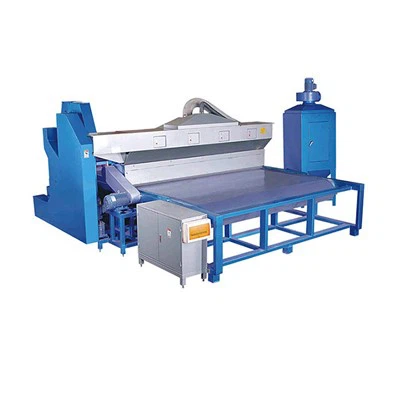
As a supplier of Glass Strengthening Furnaces, we understand the importance of proper glass storage. We offer a range of furnaces that are designed to handle glass under various conditions. Our Small Glass Tempering Furnace is ideal for small - scale operations where space is limited. It is equipped with advanced temperature control systems that can compensate for minor variations in glass storage conditions.
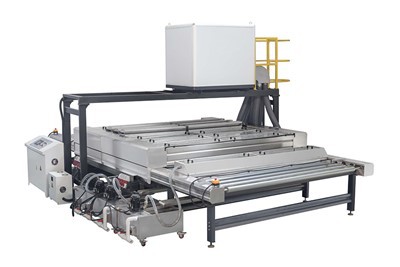
Our Automatic Glass Tempering Furnace is a high - performance solution for large - scale production. It features automated loading and unloading systems that minimize the handling of glass, reducing the risk of contamination. This furnace also has a precise heating system that can ensure uniform strengthening even if the glass has some surface irregularities.
For those in the solar glass industry, our Solar Glass Tempering Furnace is specifically designed to meet the unique requirements of solar glass. It can handle the thin and large - format glass used in solar panels with high precision, ensuring optimal performance.
Conclusion
In conclusion, the storage conditions of glass before strengthening in a furnace have a significant impact on the final product's quality and the efficiency of the strengthening process. By storing glass in a controlled environment, protecting it from contaminants, and ensuring proper orientation, manufacturers can achieve better results and reduce the risk of defects.
If you are in the market for a Glass Strengthening Furnace and want to learn more about how our products can help you optimize your glass strengthening process, we invite you to contact us for a detailed discussion. Our team of experts is ready to assist you in finding the best solution for your specific needs.
References
- ASTM International. (2023). Standard practices for handling, storage, and glazing flat glass.
- Glass Association of North America. (2022). Guidelines for glass storage and handling.