Hey there! As a supplier of Glass Sandblasting Equipment, I often get asked about the power consumption of our machines. It's a crucial topic, especially for those looking to manage their operational costs and understand the energy efficiency of their equipment. So, let's dive right into it!
Understanding the Basics
Power consumption in glass sandblasting equipment boils down to a few key factors. First off, we've got the motor. The motor is the heart of the machine, driving the blasting mechanism and often the conveyor system in larger models. Different types of motors, like single - phase or three - phase, will have varying power requirements. Generally, three - phase motors are more efficient for heavy - duty industrial use, but they do consume more power compared to single - phase ones, which are better suited for smaller, less demanding applications.
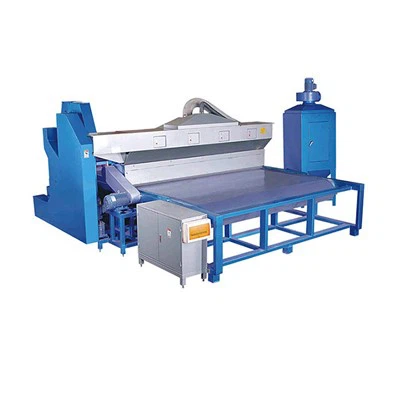
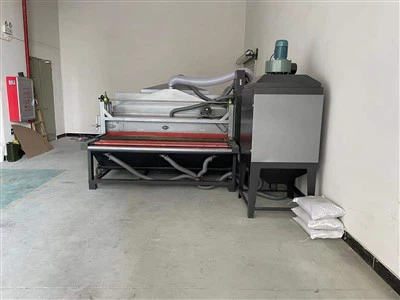
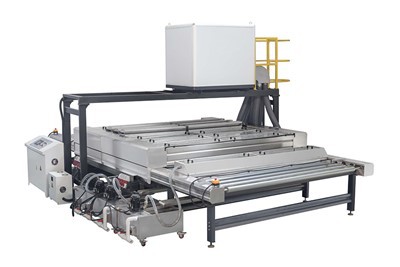
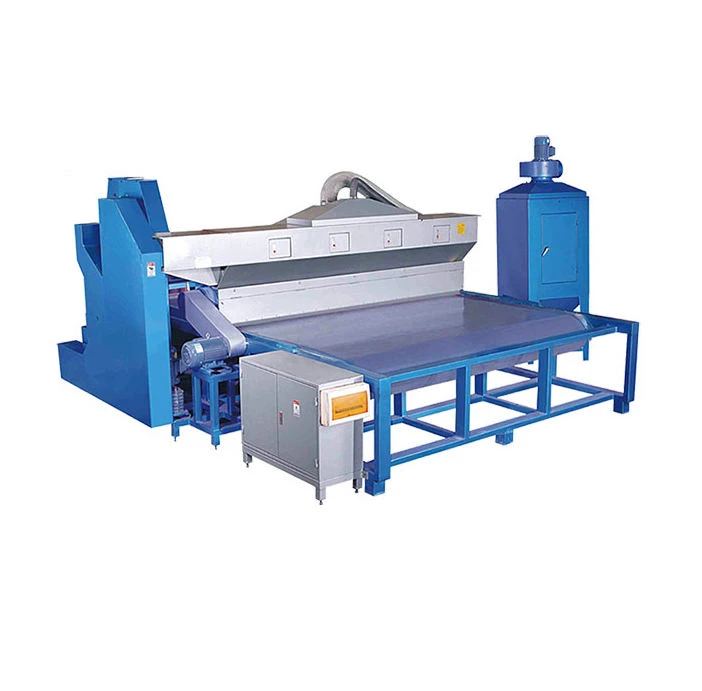
The size and capacity of the sandblasting equipment also play a huge role. A larger machine that can handle bigger glass sheets at a faster rate will naturally use more power. For instance, our Vertical Glass Sand Blasting Machine is designed for large - scale production. It has a powerful motor and a high - speed blasting system, which means it draws more electricity compared to our smaller, entry - level models.
Power - Hungry Components
Let's talk about the components that really suck up the power. The air compressor is a major one. It's responsible for generating the high - pressure air needed to propel the sand or abrasive material onto the glass surface. The compressor's power usage depends on its size and the pressure it needs to maintain. A high - pressure compressor for a commercial sandblasting setup will consume a significant amount of electricity.
Another power - consuming part is the blasting nozzle. The nozzle's design and the type of abrasive used affect the air flow and, consequently, the power needed to operate the machine. A wider nozzle may require more power to maintain the same blasting force as a narrower one, but it can cover a larger area in less time.
Measuring Power Consumption
To figure out how much power your glass sandblasting equipment uses, you need to look at the machine's specifications. Most manufacturers, including us, provide the power rating in kilowatts (kW). This rating tells you how much power the machine consumes when it's running at full capacity.
For example, if a Glass Sandblasting Machine has a power rating of 5 kW, it means that for every hour it runs at full power, it will use 5 kilowatt - hours (kWh) of electricity. You can then multiply this by your local electricity rate to get an idea of how much it costs to operate the machine per hour.
However, it's important to note that the machine doesn't always run at full capacity. In real - world use, it may operate at a lower power level depending on the job requirements. For example, if you're working on a smaller glass piece, you might not need to use the machine's full power.
Factors Affecting Actual Consumption
There are several factors that can impact the actual power consumption of glass sandblasting equipment. The quality of maintenance is a big one. A well - maintained machine will operate more efficiently and use less power. If the motor bearings are worn out or the air compressor has leaks, it will have to work harder, consuming more electricity in the process.
The type of abrasive material also matters. Some abrasives are heavier or more difficult to propel, which means the machine needs more power to blast them onto the glass. For example, using a coarse sand may require more energy than a finer - textured abrasive.
Energy - Saving Tips
If you're looking to cut down on power consumption, there are a few things you can do. First, make sure to choose the right machine for the job. Don't go for a large, high - powered machine if you can get by with a smaller one. Our Sand Blasting Glass Machine comes in different sizes and power ratings, so you can pick the one that best suits your needs.
Regular maintenance is key. Keep the machine clean, lubricate the moving parts, and check for air leaks in the compressor. These simple steps can go a long way in improving the machine's energy efficiency.
You can also optimize your blasting process. Use the right pressure and blasting time for each job. Over - blasting not only wastes abrasive material but also consumes more power.
Comparing Different Models
When comparing different models of glass sandblasting equipment, it's important to look beyond the initial purchase price. Consider the long - term operating costs, including power consumption. A more expensive machine with a lower power rating may end up saving you money in the long run.
For example, our high - end models are designed with energy - saving features. They use advanced motor technology and more efficient blasting systems, which means they consume less power compared to some of the cheaper, less - efficient models on the market.
Conclusion
In conclusion, the power consumption of glass sandblasting equipment depends on many factors, including the size and type of the machine, the components, and the operating conditions. By understanding these factors, you can make an informed decision when choosing a machine and take steps to reduce its power usage.
If you're in the market for glass sandblasting equipment and want to learn more about power consumption, the different models we offer, or have any other questions, we're here to help. Contact us to have a chat about your specific needs, and let's work together to find the perfect solution for your business!

References
- General knowledge in the field of glass sandblasting equipment technology.
- Manufacturer's specifications and data sheets for glass sandblasting machines.