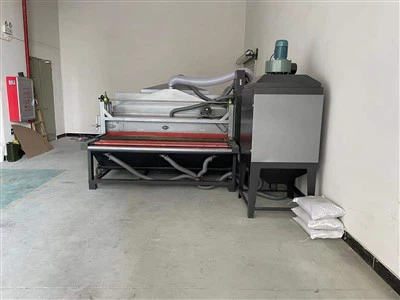
As a trusted supplier of Glass Sandblasting Equipment, I am thrilled to share with you the detailed sandblasting process flow of our cutting - edge glass sandblasting machines. This process is crucial for achieving high - quality glass products with various aesthetic and functional finishes.
1. Preparation
Before starting the sandblasting process, several key preparatory steps are essential.
1.1 Glass Selection and Inspection
First and foremost, the right type of glass must be chosen according to the intended application. Different glasses, such as float glass, tempered glass, or laminated glass, have different properties and may require specific sandblasting parameters. We thoroughly inspect the glass for any cracks, scratches, or other defects that could affect the sandblasting result or cause the glass to break during the process.


1.2 Masking
Masking is a vital step if you want to create specific patterns on the glass. We use high - quality masking materials, such as vinyl masks or stencils. These masks are carefully applied to the areas of the glass that we do not want to be sandblasted. The precision of masking directly impacts the final pattern quality. For complex patterns, advanced digital cutting technologies can be used to ensure accurate masking.
1.3 Equipment Setup
Our Sand Blasting Glass Machine needs to be properly set up. This includes adjusting the pressure of the sandblasting system. The pressure is determined by factors such as the type of glass, the desired depth of the sandblasted finish, and the type of abrasive material used. We also load the appropriate abrasive material into the sandblasting machine. Common abrasive materials for glass sandblasting include silicon carbide, aluminum oxide, and glass beads, each with its own characteristics and applications.
2. Sandblasting Process
Once the preparation is complete, the actual sandblasting process begins.
2.1 Loading the Glass
The prepared glass is carefully loaded into the sandblasting chamber of our Glass Sandblasting Machine. The glass should be securely held in place to prevent movement during the sandblasting, which could lead to uneven finishes.
2.2 Initiating the Sandblasting
The operator starts the sandblasting machine, and the abrasive material is propelled at high speed towards the glass surface through a nozzle. The nozzle is carefully controlled to ensure even coverage of the sandblasted area. The operator may move the nozzle manually or use automated systems for more consistent results, especially for large - scale production.
2.3 Monitoring the Process
Throughout the sandblasting process, the operator closely monitors the progress. They check the quality of the sandblasted finish, looking for any signs of unevenness, over - sandblasting, or under - sandblasting. Adjustments to the pressure, nozzle speed, or abrasive flow rate can be made in real - time to achieve the desired result.
3. Post - Sandblasting Treatment
After the sandblasting is completed, several post - treatment steps are necessary.
3.1 Cleaning the Glass
The sandblasted glass is removed from the sandblasting chamber and thoroughly cleaned. This involves removing any residual abrasive material, dust, or debris from the glass surface. We use specialized cleaning solutions and techniques to ensure a clean and clear finish. Ultrasonic cleaning can be used for more thorough cleaning, especially for intricate patterns.
3.2 Removing the Masking
If masking was used, the masking material is carefully removed from the glass. This requires precision to avoid damaging the sandblasted pattern. After removing the masking, the glass is inspected again to ensure that the pattern is clean and well - defined.
3.3 Quality Inspection
A final quality inspection is conducted on the sandblasted glass. We check for any defects, such as scratches, chips, or uneven finishes. Only glass products that meet our strict quality standards are approved for further processing or shipment.
4. Additional Finishing Options
Depending on the customer's requirements, additional finishing options can be applied to the sandblasted glass.
4.1 Coating
A protective or decorative coating can be applied to the sandblasted glass. This can enhance the durability of the glass, improve its resistance to scratches and stains, or add a specific color or sheen. There are various types of coatings available, such as clear coatings, tinted coatings, or anti - reflective coatings.
4.2 Edge Processing
The edges of the sandblasted glass can be processed to achieve a smooth and safe finish. This may involve grinding, polishing, or beveling the edges. Edge processing not only improves the appearance of the glass but also reduces the risk of injury during handling.
5. Advantages of Our Glass Sand Blasting Equipment
Our Glass Sand Blasting Machine offers several advantages in the sandblasting process.
5.1 High Precision
Our machines are equipped with advanced control systems that allow for precise adjustment of pressure, nozzle speed, and abrasive flow rate. This ensures consistent and high - quality sandblasted finishes, even for complex patterns.
5.2 Efficiency
With high - speed sandblasting capabilities and automated operation options, our equipment can significantly increase production efficiency. This is especially beneficial for large - scale glass manufacturing operations.
5.3 Safety
We prioritize safety in the design of our glass sandblasting equipment. The sandblasting chambers are well - sealed to prevent the escape of abrasive dust, protecting the operators from potential health hazards. Additionally, safety features such as emergency stop buttons and protective shields are installed to ensure a safe working environment.
6. Conclusion
The sandblasting process flow of our glass sandblasting equipment is a complex and precise operation that involves multiple steps from preparation to final finishing. Our commitment to quality, innovation, and customer satisfaction drives us to continuously improve our equipment and processes.
If you are in the market for high - quality glass sandblasting equipment or have any questions about the sandblasting process, we invite you to contact us for a detailed discussion. Our team of experts is ready to provide you with professional advice and solutions tailored to your specific needs. Let's work together to achieve the best glass sandblasting results for your projects.
References
- "Glass Processing Handbook" - A comprehensive guide on various glass processing techniques, including sandblasting.
- Industry research reports on glass manufacturing and sandblasting technology trends.