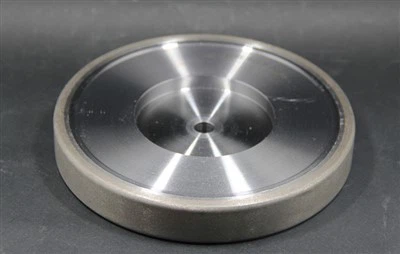
When it comes to the glass processing industry, the glass polish wheel is an indispensable tool. As a seasoned glass polish wheel supplier, I've received numerous inquiries about the vibration level during its operation. Understanding the vibration level is crucial as it not only affects the quality of glass processing but also the lifespan of the equipment and the safety of the operators.
Factors Affecting the Vibration Level of a Glass Polish Wheel
The vibration level of a glass polish wheel is influenced by multiple factors. First and foremost, the quality of the wheel itself plays a significant role. A well - manufactured glass polish wheel with uniform density and balanced structure will have a lower vibration level. If there are any manufacturing defects, such as uneven distribution of abrasive materials or an off - center hub, it can lead to increased vibration during rotation.
The mounting of the glass polish wheel is another critical factor. If the wheel is not properly installed on the spindle, it can cause significant vibration. This includes issues like incorrect tightening of the mounting bolts, misalignment of the wheel with the spindle axis, or using the wrong type of mounting hardware. For example, if the bolts are not tightened evenly, the wheel may wobble, resulting in higher vibration levels.
The operating conditions also have a major impact on the vibration. The rotational speed of the glass polish wheel is directly related to the vibration level. Generally, as the speed increases, the vibration tends to increase as well. Additionally, the pressure applied during the polishing process can affect the vibration. Excessive pressure can cause the wheel to deform slightly, leading to uneven rotation and increased vibration.
Measuring the Vibration Level
To accurately assess the vibration level of a glass polish wheel, specialized measuring equipment is required. Vibration sensors are commonly used to measure the amplitude and frequency of the vibration. These sensors can be attached to the machine near the wheel or directly on the wheel itself. By analyzing the data collected from the sensors, we can determine whether the vibration level is within the acceptable range.
The acceptable vibration level for a glass polish wheel depends on various factors, such as the type of glass being processed, the required surface finish, and the specifications of the polishing machine. In general, a lower vibration level is preferred as it results in a smoother surface finish on the glass and reduces the wear and tear on the machine components.
Impact of Vibration on Glass Processing
High vibration levels during the use of a glass polish wheel can have several negative impacts on the glass processing. Firstly, it can affect the quality of the glass surface. Excessive vibration can cause uneven polishing, resulting in visible scratches, waviness, or other surface defects on the glass. This is particularly problematic when processing high - quality glass products, such as display panels or optical lenses, where a smooth and flawless surface is essential.
Secondly, high vibration can reduce the lifespan of the glass polish wheel and other machine components. The constant shaking and stress caused by the vibration can lead to premature wear of the wheel, as well as damage to the spindle, bearings, and other parts of the polishing machine. This not only increases the maintenance cost but also disrupts the production process.
In addition, high vibration levels can pose a safety risk to the operators. The shaking of the machine can make it unstable, increasing the likelihood of accidents. Moreover, the noise generated by the high - vibration operation can also cause hearing damage to the workers over time.
Controlling the Vibration Level
As a glass polish wheel supplier, we are committed to helping our customers control the vibration level during the use of our products. One of the key measures is to ensure the quality of our glass polish wheels. We use advanced manufacturing techniques and strict quality control processes to produce wheels with uniform density and balanced structure. This helps to minimize the inherent vibration of the wheels.
Proper installation and maintenance are also crucial for controlling the vibration. We provide detailed installation instructions to our customers, emphasizing the importance of correct mounting and alignment. Regular maintenance, such as checking the tightness of the mounting bolts, lubricating the spindle, and inspecting the wheel for wear, can also help to keep the vibration level in check.
In some cases, additional vibration - damping devices can be used to reduce the vibration. These devices can absorb and dissipate the energy generated by the vibration, thereby reducing its impact on the machine and the glass.
Related Products in Glass Processing
In addition to glass polish wheels, there are other important products in the glass processing industry. For example, the Glass Diamond Wheel is widely used for cutting and grinding glass. It offers high precision and efficiency, making it suitable for various glass processing applications.
The Peripheral Grinding Wheel is another essential tool for glass edge grinding. It can provide a smooth and accurate edge finish on the glass.
The PU Timing Belt is used to transmit power and synchronize the movement of different components in the glass processing machine. It ensures the stable operation of the machine and contributes to the overall quality of the glass processing.


Conclusion
In conclusion, understanding and controlling the vibration level when using a glass polish wheel is of utmost importance in the glass processing industry. As a glass polish wheel supplier, we are dedicated to providing high - quality products and comprehensive technical support to our customers. By ensuring the proper use and maintenance of our glass polish wheels, along with the use of related high - quality products, we can help our customers achieve better glass processing results, reduce costs, and improve safety.
If you are interested in our glass polish wheels or other glass processing products, please feel free to contact us for more information and to discuss your specific procurement needs. We look forward to establishing a long - term and mutually beneficial cooperation with you.
References
- Glass Processing Handbook, 3rd Edition
- Vibration Analysis in Industrial Machinery, 2nd Edition
- Advances in Glass Manufacturing Technology, Volume 5