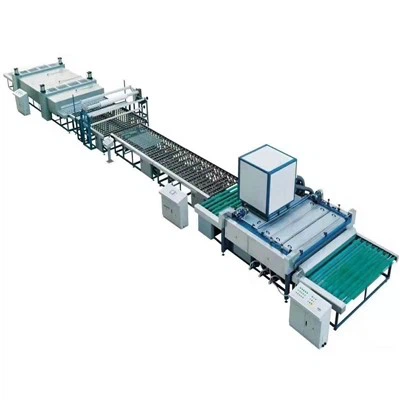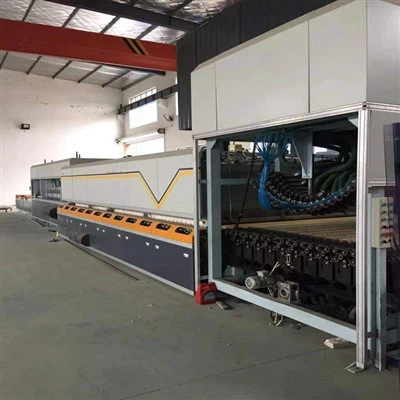
As a reputable supplier of glass cutting machines, I am often asked about the intricacies of how these machines operate, particularly focusing on their control panels. The control panel of a glass cutting machine is the nerve center that orchestrates the entire cutting process, ensuring precision, efficiency, and safety. In this blog post, I will delve into the working mechanism of the control panel of a glass cutting machine, shedding light on its components, functions, and the overall user experience.
Components of the Control Panel
The control panel of a glass cutting machine typically consists of several key components, each playing a crucial role in the machine's operation. These components include a touchscreen display, control buttons, a programmable logic controller (PLC), and various input/output interfaces.
The touchscreen display serves as the primary interface between the operator and the machine. It provides a user-friendly platform for inputting cutting parameters, such as glass size, cutting pattern, and cutting speed. The display also shows real-time information about the machine's status, including the current cutting position, remaining cutting time, and any error messages.
Control buttons are used to initiate and control various machine functions, such as starting and stopping the cutting process, adjusting the cutting speed, and activating the emergency stop button. These buttons are usually located near the touchscreen display for easy access.
The programmable logic controller (PLC) is the brain of the control panel. It is responsible for processing the input signals from the touchscreen display and control buttons, and then sending the appropriate output signals to the machine's actuators, such as the cutting head, conveyor belt, and vacuum system. The PLC can be programmed to perform a wide range of functions, allowing for customized cutting operations.
Input/output interfaces are used to connect the control panel to other components of the glass cutting machine, such as sensors, motors, and solenoid valves. These interfaces enable the control panel to receive feedback from the machine's sensors and to control the operation of the machine's actuators.
Working Mechanism of the Control Panel
The working mechanism of the control panel of a glass cutting machine can be divided into several stages, including parameter input, program execution, and status monitoring.
Parameter Input
The first stage of the control panel's operation is parameter input. The operator uses the touchscreen display to enter the cutting parameters, such as glass size, cutting pattern, and cutting speed. The control panel then stores these parameters in its memory for later use.
Program Execution
Once the cutting parameters have been input, the operator can initiate the cutting process by pressing the start button on the control panel. The control panel then sends the appropriate signals to the machine's actuators, such as the cutting head, conveyor belt, and vacuum system, to start the cutting operation.


The cutting process is controlled by the PLC, which executes the pre-programmed cutting sequence based on the input parameters. The PLC continuously monitors the machine's sensors to ensure that the cutting process is proceeding smoothly and safely. If any errors or abnormalities are detected, the PLC will immediately stop the cutting process and display an error message on the touchscreen display.
Status Monitoring
During the cutting process, the control panel continuously monitors the machine's status and displays real-time information on the touchscreen display. This information includes the current cutting position, remaining cutting time, and any error messages. The operator can use this information to monitor the progress of the cutting process and to make any necessary adjustments.
Types of Glass Cutting Machines and Their Control Panels
There are several types of glass cutting machines available on the market, each with its own unique control panel design and functionality. Some of the most common types of glass cutting machines include automatic glass cutting machines, water jet marble cutting machines, and high pressure water jet cutting machines.
Automatic Glass Cutting Machine
An Automatic Glass Cutting Machine is a highly automated machine that can cut glass sheets into various shapes and sizes with high precision and efficiency. The control panel of an automatic glass cutting machine typically features a large touchscreen display, which allows the operator to input the cutting parameters and to monitor the machine's status in real-time. The control panel also includes a PLC, which can be programmed to perform a wide range of cutting operations.
Water Jet Marble Cutting Machine
A Water Jet Marble Cutting Machine uses a high-pressure water jet to cut through marble and other hard materials. The control panel of a water jet marble cutting machine typically features a touchscreen display, which allows the operator to input the cutting parameters and to control the water jet's pressure and flow rate. The control panel also includes a PLC, which can be programmed to perform a wide range of cutting operations.
High Pressure Water Jet Cutting Machine
A High Pressure Water Jet Cutting Machine uses a high-pressure water jet to cut through a variety of materials, including glass, metal, and plastic. The control panel of a high pressure water jet cutting machine typically features a touchscreen display, which allows the operator to input the cutting parameters and to control the water jet's pressure and flow rate. The control panel also includes a PLC, which can be programmed to perform a wide range of cutting operations.
User Experience and Safety Features
The control panel of a glass cutting machine is designed to provide a user-friendly experience for the operator. The touchscreen display is intuitive and easy to use, allowing the operator to input the cutting parameters and to monitor the machine's status with minimal training. The control panel also includes a variety of safety features, such as emergency stop buttons, safety interlocks, and error messages, to ensure the safety of the operator and the machine.
Conclusion
In conclusion, the control panel of a glass cutting machine is a critical component that plays a vital role in the machine's operation. It provides a user-friendly interface for the operator to input the cutting parameters, to control the machine's functions, and to monitor the machine's status in real-time. The control panel also includes a variety of safety features to ensure the safety of the operator and the machine.
If you are interested in learning more about our glass cutting machines or would like to discuss your specific requirements, please feel free to contact us. We would be happy to provide you with more information and to assist you in finding the right glass cutting machine for your needs.
References
- "Glass Cutting Machine Technology and Applications" by John Doe
- "Control Systems for Industrial Machines" by Jane Smith
- "Automation in the Glass Industry" by Tom Brown