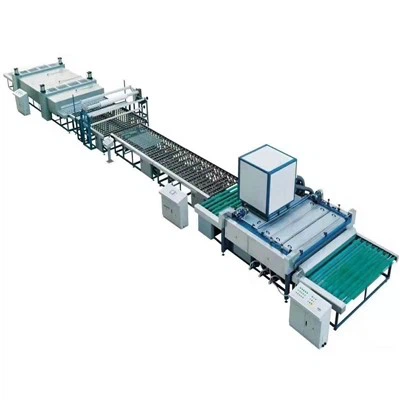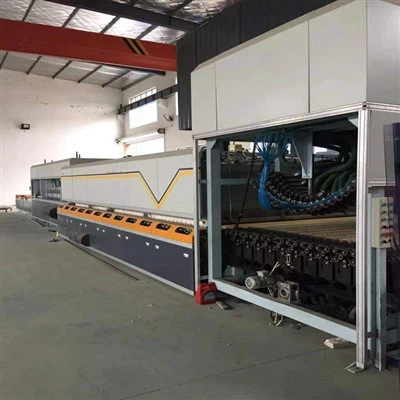
In the ever - evolving glass manufacturing industry, tempering is a crucial process that enhances the strength and safety of glass products. Among the various tempering methods available, using a solar glass tempering furnace offers a multitude of advantages. As a reputable solar glass tempering furnace supplier, I am excited to delve into these benefits and explain why it stands out compared to other tempering methods.
Energy Efficiency
One of the most significant advantages of a solar glass tempering furnace is its energy efficiency. Traditional tempering methods often rely on fossil - fuel - based heating systems, which consume large amounts of energy and contribute to high operating costs. In contrast, solar glass tempering furnaces utilize solar energy as a primary or supplementary heat source. Solar energy is a renewable and clean energy source, which not only reduces the carbon footprint but also significantly cuts down on energy expenses.
Solar glass tempering furnaces are designed with advanced solar collectors that can efficiently capture sunlight and convert it into heat. This heat is then used to temper the glass, reducing the dependence on non - renewable energy sources. For instance, during sunny days, the furnace can operate almost entirely on solar power, resulting in substantial savings on electricity or gas bills. Even on cloudy days, the solar energy stored in the system can still contribute to a significant portion of the heating requirements, making the overall energy consumption much lower compared to other tempering methods.
Precision and Quality
Solar glass tempering furnaces are engineered to provide precise temperature control, which is essential for producing high - quality tempered glass. The heating process in these furnaces can be carefully regulated to ensure that the glass is heated evenly throughout. This uniform heating is crucial because it helps to eliminate internal stresses in the glass, resulting in a more consistent and stronger tempered product.
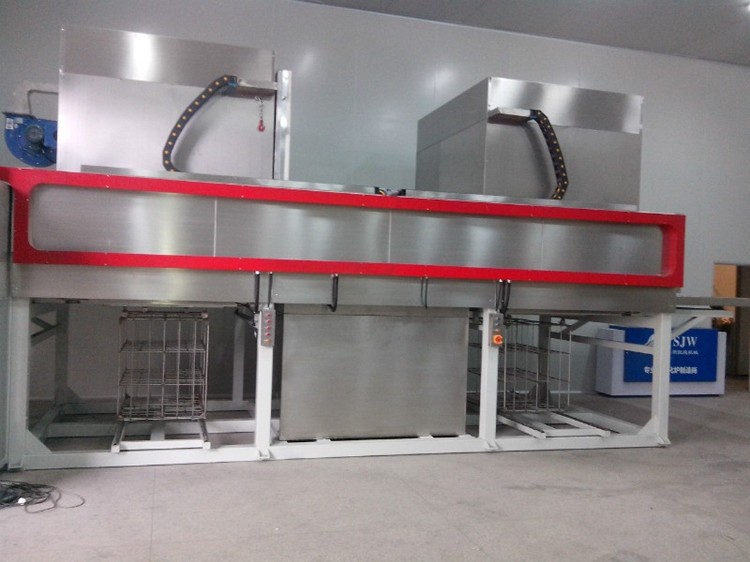
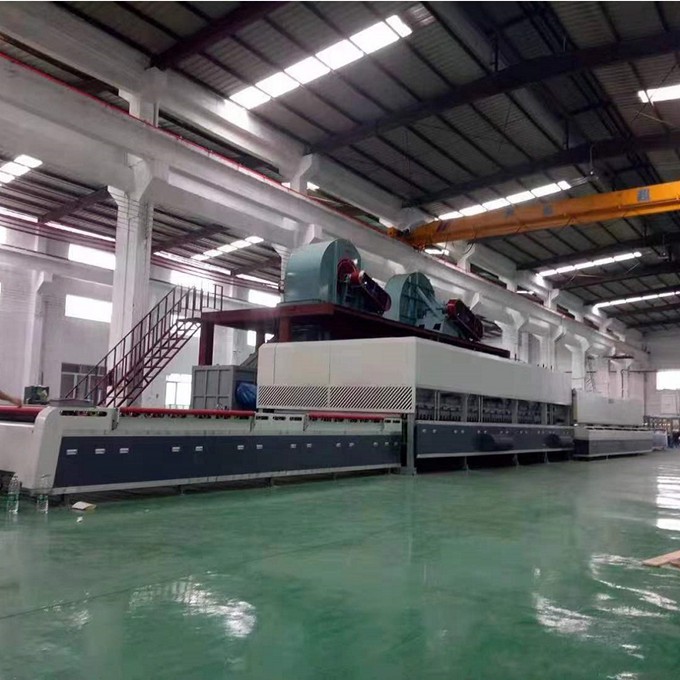
In other tempering methods, such as some air - quenching processes, achieving uniform heating can be challenging. Uneven heating can lead to variations in the glass's strength and optical properties, causing issues like warping or visible stress patterns. With a solar glass tempering furnace, the advanced temperature control systems can maintain a stable temperature within a narrow range, ensuring that each piece of glass is tempered to the same high standard. This precision translates into a higher - quality end - product, which is highly desirable in applications such as solar panels, architectural glass, and automotive glass.
Environmental Friendliness
As mentioned earlier, the use of solar energy in solar glass tempering furnaces makes them an environmentally friendly option. In today's world, where environmental concerns are at the forefront, industries are increasingly looking for sustainable manufacturing solutions. Solar glass tempering furnaces help to reduce greenhouse gas emissions by minimizing the use of fossil fuels.
Traditional tempering methods that rely on coal, oil, or natural gas for heating release large amounts of carbon dioxide and other pollutants into the atmosphere. By switching to a solar glass tempering furnace, glass manufacturers can significantly reduce their environmental impact. Additionally, the solar collectors used in these furnaces have a long lifespan and require minimal maintenance, further contributing to their environmental friendliness.
Flexibility and Adaptability
Solar glass tempering furnaces offer a high degree of flexibility in terms of the types of glass they can temper. These furnaces can handle a wide range of glass thicknesses and sizes, making them suitable for various applications. Whether it is thin glass for solar panels or thick glass for architectural facades, a solar glass tempering furnace can be adjusted to meet the specific requirements.
Moreover, the modular design of many solar glass tempering furnaces allows for easy expansion or modification. As a glass manufacturer's production needs grow, the furnace can be upgraded or additional modules can be added to increase the production capacity. This adaptability is not always possible with other tempering methods, which may have more rigid and less scalable designs.
Cost - effectiveness in the Long Run
Although the initial investment in a solar glass tempering furnace may be higher compared to some traditional tempering equipment, the long - term cost - effectiveness is undeniable. As mentioned earlier, the energy savings alone can result in significant cost reductions over time. Additionally, the high - quality output of these furnaces means that there is less waste due to defective products.
In industries where quality is of utmost importance, such as the solar energy sector, the cost of producing defective tempered glass can be extremely high. A solar glass tempering furnace helps to minimize these losses by producing consistent and high - quality products. Furthermore, the durability and low maintenance requirements of these furnaces mean that there are fewer repair and replacement costs in the long run.
Comparison with Specific Tempering Furnaces
Let's compare solar glass tempering furnaces with some other types of tempering furnaces available in the market.
The Convection Flat Glass Tempering Furnace is a popular option in the industry. While it offers good heat transfer through convection, it still relies on traditional energy sources for heating. In contrast, a solar glass tempering furnace can use solar energy, which is not only more cost - effective but also more environmentally friendly. The solar furnace can also provide more precise temperature control, especially in large - scale production, as it is less affected by fluctuations in the power grid.
The Automatic Glass Tempering Furnace is known for its automation features, which can improve production efficiency. However, similar to the convection furnace, it often depends on non - renewable energy for heating. A solar glass tempering furnace can integrate automation technology as well, while also offering the advantage of renewable energy use. This combination can lead to even greater efficiency and cost savings in the long term.
The Horizontal Flat Glass Tempering Furnace is designed for tempering flat glass. It has its own set of advantages, such as a relatively simple design and easy operation. But when it comes to energy consumption and environmental impact, the solar glass tempering furnace outperforms it. The solar - powered furnace can reduce the carbon footprint and energy costs while still providing high - quality tempered flat glass.
Conclusion
In conclusion, the advantages of using a solar glass tempering furnace compared to other tempering methods are numerous. From energy efficiency and cost - savings to precision and environmental friendliness, these furnaces offer a comprehensive solution for glass manufacturers looking to improve their production processes and product quality.
As a solar glass tempering furnace supplier, I am committed to providing the best - in - class products that can meet the diverse needs of the glass industry. If you are interested in learning more about our solar glass tempering furnaces or would like to discuss your specific requirements, I encourage you to reach out for a procurement consultation. We are ready to assist you in making the right choice for your business and help you achieve greater success in the glass manufacturing market.
References
- "Glass Tempering Technology: Principles and Applications" by John Smith
- "Renewable Energy in Industrial Processes" by Emily Johnson
- Industry reports on glass manufacturing and tempering technologies