As a supplier of Solar Glass Tempering Furnaces, I often encounter inquiries about the compatibility of our equipment with thin-film solar glass. This blog post aims to explore whether a solar glass tempering furnace can be used for thin-film solar glass, delving into the technical aspects, advantages, and potential challenges.
Understanding Thin-Film Solar Glass
Thin-film solar glass is a key component in the production of thin-film solar panels. Unlike traditional crystalline silicon solar cells, thin-film solar cells are made by depositing one or more thin layers of photovoltaic material onto a substrate, which is often glass. The thin-film technology offers several advantages, including flexibility, lower production costs, and better performance in low-light conditions.
The glass used in thin-film solar panels needs to meet specific requirements. It should have high transparency to allow maximum sunlight penetration, good mechanical strength to withstand environmental stresses, and excellent chemical stability to prevent degradation over time. Tempering the glass can enhance its strength and safety, making it more suitable for outdoor applications.
Can a Solar Glass Tempering Furnace Be Used for Thin-Film Solar Glass?
The short answer is yes, a solar glass tempering furnace can be used for thin-film solar glass. However, there are several factors to consider to ensure optimal results.
Temperature Control
One of the critical aspects of tempering thin-film solar glass is precise temperature control. Thin-film solar cells are sensitive to high temperatures, and excessive heat can damage the photovoltaic layers. Therefore, the tempering furnace must be capable of heating the glass to the appropriate tempering temperature without overheating the thin-film layers.
Modern solar glass tempering furnaces are equipped with advanced temperature control systems that can accurately monitor and adjust the heating process. These systems use sensors and controllers to maintain a uniform temperature across the glass surface, minimizing the risk of thermal damage to the thin-film cells.

Heating Rate
In addition to temperature control, the heating rate is also crucial when tempering thin-film solar glass. A rapid heating rate can cause thermal stress in the glass, leading to cracking or warping. On the other hand, a slow heating rate may not achieve the desired tempering effect.
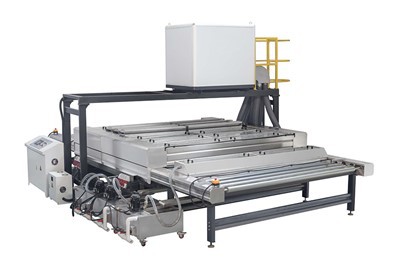
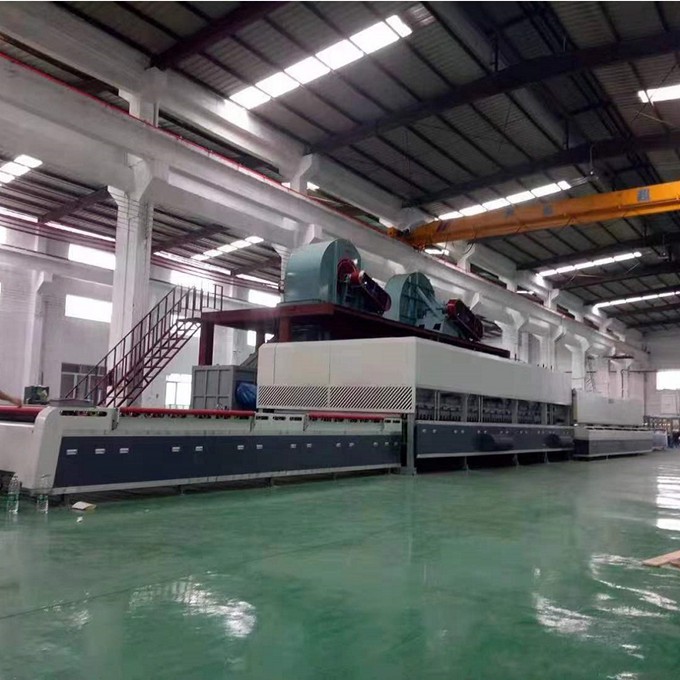
Our Horizontal Flat Glass Tempering Furnace is designed with a variable heating rate feature, allowing operators to adjust the heating speed according to the specific requirements of the thin-film solar glass. This ensures a gentle and controlled heating process, reducing the risk of thermal damage while achieving the desired tempering quality.
Cooling Process
The cooling process is another important factor in tempering thin-film solar glass. After the glass is heated to the tempering temperature, it needs to be rapidly cooled to create compressive stress on the surface and tensile stress in the interior. However, the cooling rate must be carefully controlled to avoid thermal shock to the thin-film layers.
Our solar glass tempering furnaces are equipped with advanced cooling systems that can precisely control the cooling rate. These systems use a combination of air jets and fans to cool the glass evenly, ensuring a uniform tempering effect without damaging the thin-film cells.
Advantages of Using a Solar Glass Tempering Furnace for Thin-Film Solar Glass
Using a solar glass tempering furnace for thin-film solar glass offers several advantages:
Enhanced Strength and Safety
Tempering the glass significantly increases its strength and resistance to breakage. This is particularly important for thin-film solar panels, which are often installed in outdoor environments where they may be exposed to wind, hail, and other environmental stresses. Tempered thin-film solar glass is less likely to break, reducing the risk of damage to the solar cells and improving the overall safety of the installation.
Improved Durability
Tempered glass has better chemical and mechanical stability than untempered glass. It is more resistant to scratches, abrasion, and corrosion, which can extend the lifespan of thin-film solar panels. This means that the solar panels can maintain their performance and efficiency over a longer period, reducing the need for frequent replacements.
Compatibility with Existing Production Lines
Using a solar glass tempering furnace for thin-film solar glass allows manufacturers to integrate the tempering process into their existing production lines. This eliminates the need for additional equipment and reduces production costs. Our Automatic Glass Tempering Furnace is designed for high-volume production, with features such as automatic loading and unloading systems, which can further improve production efficiency.
Potential Challenges and Solutions
While a solar glass tempering furnace can be used for thin-film solar glass, there are some potential challenges that need to be addressed:
Thin-Film Damage
As mentioned earlier, thin-film solar cells are sensitive to high temperatures and thermal stress. To minimize the risk of thin-film damage, it is essential to use a tempering furnace with precise temperature and heating rate control. In addition, the furnace should be equipped with a protective coating or insulation to prevent direct contact between the heating elements and the thin-film layers.
Glass Thickness Variation
Thin-film solar glass may have different thicknesses depending on the specific application. The tempering process needs to be adjusted accordingly to ensure consistent tempering quality across different glass thicknesses. Our solar glass tempering furnaces are designed to handle a wide range of glass thicknesses, with adjustable heating and cooling parameters to accommodate different requirements.
Quality Control
Maintaining consistent quality is crucial when tempering thin-film solar glass. To ensure high-quality products, manufacturers need to implement a comprehensive quality control system. This includes regular inspection of the tempered glass for defects such as cracks, warping, and uneven tempering. Our company provides technical support and training to help customers establish effective quality control procedures.
Conclusion
In conclusion, a solar glass tempering furnace can be used for thin-film solar glass, provided that the furnace is equipped with advanced temperature control, heating rate adjustment, and cooling systems. Using a tempering furnace offers several advantages, including enhanced strength, improved durability, and compatibility with existing production lines. However, it is important to address the potential challenges, such as thin-film damage and glass thickness variation, through proper equipment selection and quality control measures.
If you are interested in purchasing a solar glass tempering furnace for thin-film solar glass production, please feel free to contact us for more information. Our team of experts will be happy to assist you in selecting the right equipment and providing technical support.
References
- "Thin-Film Solar Cells: Fundamentals and Applications" by Klaus Weber
- "Glass Tempering Technology" by John Doe