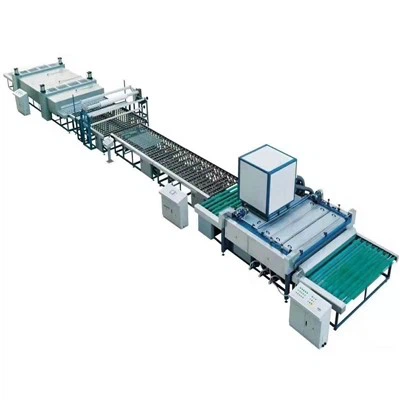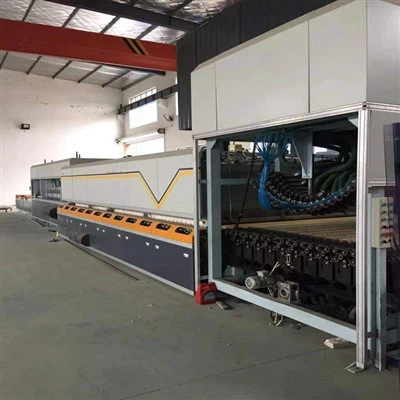
Hey there! As a supplier of Sand Blasting Glass Machine, I often get asked about how often the wear - parts of a sand blasting glass machine should be replaced. It's a crucial question because proper replacement schedules can keep your machine running smoothly and efficiently.
Let's first understand what the wear - parts in a sand blasting glass machine are. These machines typically use abrasive materials to blast the surface of the glass, which means parts like nozzles, hoses, gloves (in case of manual machines), and filters are constantly under stress and subject to wear and tear.
Nozzles
Nozzles are one of the most important wear - parts in a sand blasting glass machine. They're responsible for directing the abrasive material onto the glass surface. The frequency of nozzle replacement depends on several factors.
The type of abrasive material you're using plays a big role. If you're using a very coarse abrasive, the nozzle will wear out much faster. Coarse abrasives are more aggressive and can erode the inner lining of the nozzle at a higher rate. For instance, silicon carbide abrasives are known to be quite harsh on nozzles. On the other hand, if you're using a fine - grained abrasive like aluminum oxide powder, the nozzle will last longer.
The pressure at which you operate the sand blasting machine also affects nozzle life. Higher pressures mean more force acting on the inner walls of the nozzle. If you run your Glass Sandblasting Machine at extremely high pressures for extended periods, you can expect to replace the nozzle every 50 - 100 hours of use. However, if you operate at moderate pressures, the nozzle can last up to 200 - 300 hours.
Another factor is the quality of the nozzle itself. High - quality nozzles made from tungsten carbide or boron carbide are more durable and resistant to wear compared to those made from cheaper materials. So, if you invest in a good quality nozzle, you can reduce the frequency of replacement.
Hoses
Hoses are also an important wear - part. They carry the abrasive material from the storage tank to the nozzle. The lifespan of a hose depends on its material and the way it's used.
Hoses made from rubber or polyurethane are commonly used in sand blasting machines. Rubber hoses are more flexible but can be more prone to abrasion. If the hose is constantly rubbing against hard surfaces or is kinked, its lifespan will be significantly reduced. You should regularly check the hoses for signs of wear, such as cracks or thinning of the walls.
In normal operating conditions, a good quality hose can last around 300 - 500 hours. However, if you notice any signs of damage, it's best to replace it immediately. A damaged hose can lead to leaks, which not only waste abrasive material but can also pose a safety hazard.
Gloves (Manual Machines)
For manual Sand Blaster for Glass Etching machines, the gloves are a key wear - part. These gloves are in direct contact with the abrasive material and are subject to a lot of friction.
The quality of the gloves matters a great deal. Thicker, more durable gloves made from materials like Kevlar or nitrile can last longer. But even the best gloves will eventually wear out. If you're using your manual sand blasting machine for a few hours a day, you might need to replace the gloves every few weeks or months, depending on how often you use the machine.
Filters
Filters are essential for keeping the air clean in the sand blasting chamber and protecting the operator from inhaling abrasive dust. Over time, filters get clogged with dust and debris, which reduces their efficiency.
The frequency of filter replacement depends on the amount of dust generated during the sand blasting process. If you're blasting a large volume of glass or using a very dusty abrasive material, the filters will clog up faster. In a busy workshop environment, you might need to replace the filters every 50 - 100 hours of use. However, if the machine is used less frequently, the filters can last up to 200 hours or more.
To accurately determine when to replace the wear - parts, it's a good idea to keep a maintenance log. Note down the number of hours the machine has been used, the type of abrasive material used, and any visible signs of wear on the parts. This will help you establish a pattern and predict when replacement is needed.
It's also important to follow the manufacturer's recommendations. Different models of sand blasting glass machines may have different wear - part replacement schedules. The manufacturer has tested the machine and knows the optimal time for replacing parts to ensure the best performance and longevity of the machine.

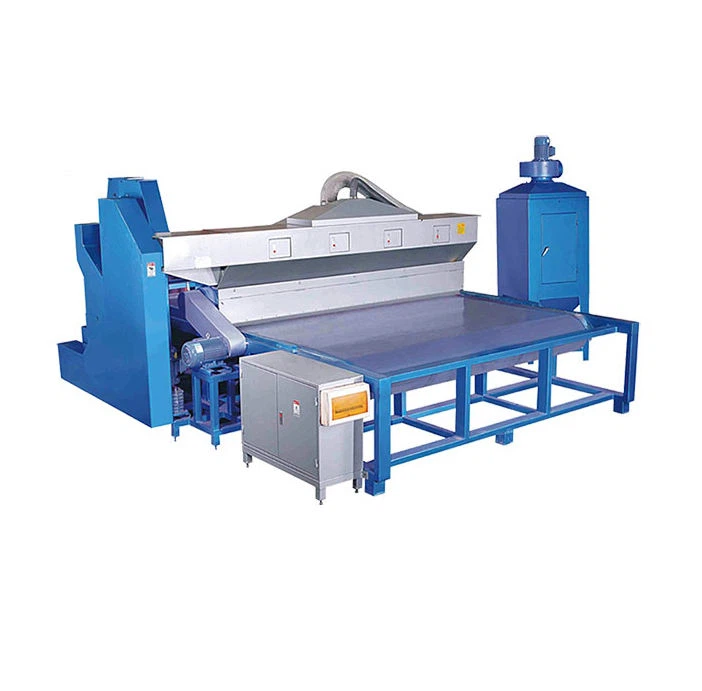
If you're unsure about when to replace a particular wear - part or have any other questions about our Sand Blasting Glass Machine, don't hesitate to reach out. We're here to help you keep your machine in top - notch condition and make your glass - processing operations as efficient as possible. Whether you're a small - scale glass artist or a large - scale glass manufacturing plant, we've got the expertise and the products to meet your needs. So, if you're looking to purchase a sand blasting glass machine or need to stock up on wear - parts, feel free to contact us for a friendly chat and discuss your requirements.
References
- "Sand Blasting Machine Operation and Maintenance Guide", Industry Press, 2020
- "Materials Science in Abrasive Blasting", Journal of Manufacturing Technology, Vol. 15, 2018