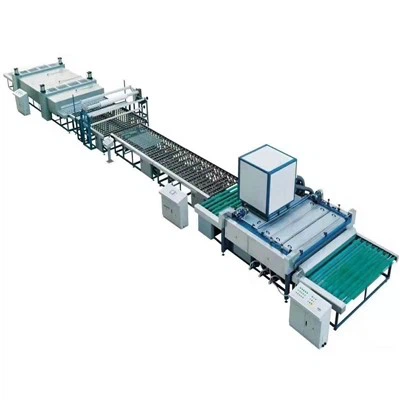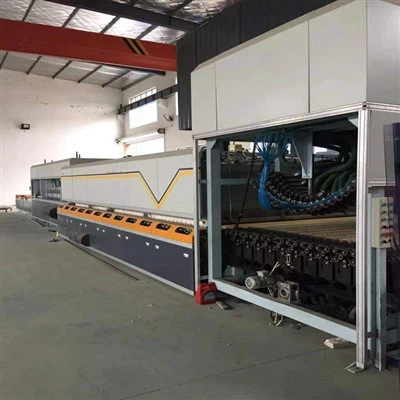
As a supplier of Glass Sandblasting Equipment, I've seen firsthand how important it is to achieve the right sandblasting effect for different glass products. Whether you're working on decorative glass for architectural projects or precision glass for electronic devices, getting that perfect finish can be a game - changer. In this blog, I'll share some tips on how to adjust the sandblasting effect of glass sandblasting equipment.
Understanding the Basics
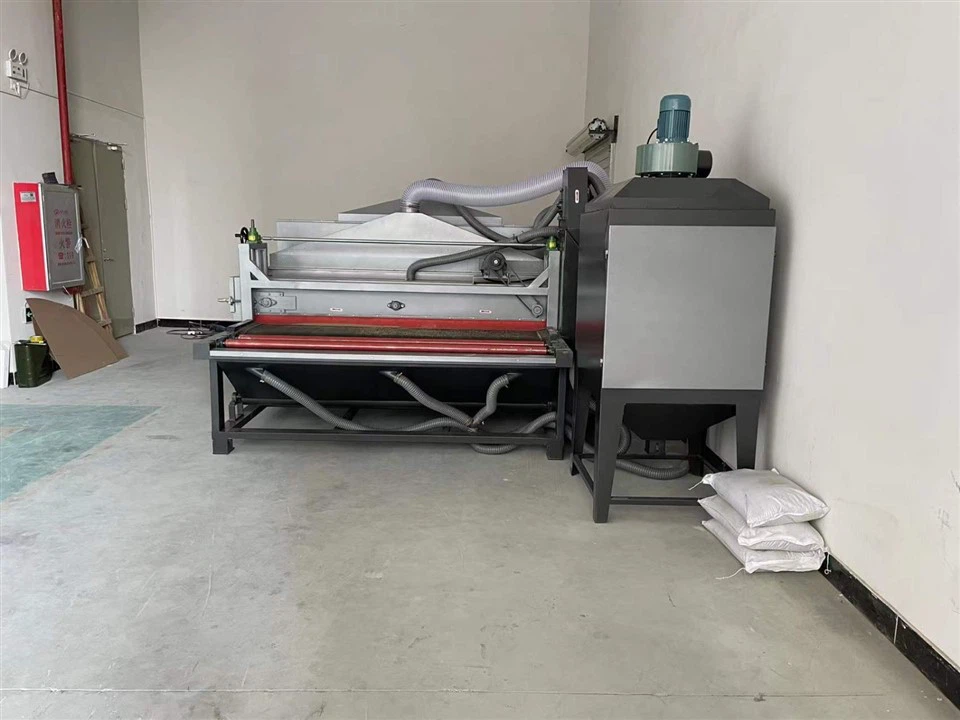
Before we dive into the adjustment process, it's crucial to understand the basic components of a glass sandblasting machine. typically, these machines consist of a sandblasting gun, a sand storage tank, a compressor, and a control panel. The compressor provides the air pressure, the sand storage tank holds the abrasive material, and the sandblasting gun is where the magic happens.
Selecting the Right Abrasive Material
The type of abrasive material you use plays a huge role in the sandblasting effect. There are several options available, such as silica sand, aluminum oxide, and glass beads. Silica sand is a common choice due to its low cost, but it can be a bit rough and may not be suitable for fine - detailed work. Aluminum oxide is more durable and can provide a smoother finish, making it ideal for high - end glass products. Glass beads, on the other hand, are great for creating a soft, frosted look.
Adjusting the Air Pressure
The air pressure is one of the most critical factors in sandblasting. Higher air pressure will result in a more aggressive sandblasting effect, with the abrasive material hitting the glass surface harder and removing more material. Lower air pressure, on the other hand, will create a gentler effect, which is perfect for delicate designs or when you want to achieve a lighter frosted look.
To adjust the air pressure, you'll need to use the control panel on your sandblasting equipment. Start by setting the pressure at a moderate level and then test it on a scrap piece of glass. If the effect is too light, increase the pressure slightly. If it's too heavy, reduce it. Keep in mind that different types of glass may require different air pressures. For example, thicker glass can usually withstand higher pressures than thinner glass.
Controlling the Blasting Distance and Angle
The distance between the sandblasting gun and the glass surface, as well as the angle of the gun, also affect the sandblasting effect. A shorter blasting distance will result in a more concentrated and intense effect, while a longer distance will spread the abrasive material over a larger area, creating a softer effect.
The ideal blasting distance usually ranges from 10 to 30 centimeters, but this can vary depending on the type of equipment and the desired effect. As for the angle, a perpendicular angle (90 degrees) to the glass surface will provide the most direct impact, while a shallower angle can create a more diffuse effect.
Changing the Nozzle Size
The size of the nozzle on the sandblasting gun can impact the sandblasting pattern and intensity. A larger nozzle will allow more abrasive material to flow through, resulting in a wider and more aggressive blasting area. A smaller nozzle, on the other hand, will create a more precise and concentrated effect, which is great for detailed work.
When choosing a nozzle size, consider the scale of your project. If you're working on large - scale glass panels, a larger nozzle may be more efficient. But for intricate designs or small - sized glass pieces, a smaller nozzle is the way to go.
Speed of Blasting
The speed at which you move the sandblasting gun across the glass surface is also important. A slower speed will allow more abrasive material to hit the same area, resulting in a deeper and more pronounced effect. A faster speed will create a lighter, more even finish.
When starting a new project, it's a good idea to practice on a test piece of glass to find the optimal blasting speed for your desired effect. Move the gun at a consistent speed to ensure an even finish across the entire glass surface.
Different Equipment and Their Adjustment
Now, let's talk about some specific types of our glass sandblasting equipment and how to adjust them for the best results.
Vertical Glass Sand Blasting Machine
The Vertical Glass Sand Blasting Machine is designed for large - format glass panels. It allows for vertical sandblasting, which is very efficient for mass production. When adjusting the effect on this machine, you need to focus on the conveyor speed in addition to the other factors mentioned above. A slower conveyor speed will give the abrasive more time to work on the glass surface, resulting in a deeper sandblasting effect.
Grit Blasting Machine
The Grit Blasting Machine uses grit as the abrasive material. This type of machine can provide a very rough and textured finish, which is great for applications where traction or a unique aesthetic is required. To adjust the effect on a grit blasting machine, you can experiment with different types and sizes of grit, as well as the air pressure and blasting distance.
Small Sand Blasting Machine
The Small Sand Blasting Machine is perfect for small - scale projects or for creating detailed designs. When using this machine, pay close attention to the nozzle size and the speed of your hand movement. Since it's a handheld device in most cases, your control over the blasting process is more manual, so practice is key to achieving the perfect effect.
Troubleshooting
Even with the best adjustments, you may encounter some issues during the sandblasting process. Patchy or uneven sandblasting can be caused by inconsistent air pressure, uneven movement of the gun, or a clogged nozzle. If you notice patchy areas, check the air pressure settings and make sure you're moving the gun at a consistent speed. If the nozzle is clogged, clean it according to the manufacturer's instructions.
Another common issue is excessive dust. This can be a health hazard and also affect the quality of the sandblasting. To reduce dust, make sure your sandblasting equipment is properly ventilated. You can also use a dust collector if available.

Final Thoughts
Achieving the perfect sandblasting effect on glass requires a combination of the right equipment, the correct abrasive material, and precise adjustments. By understanding the factors that affect the sandblasting process and experimenting with different settings, you can create stunning glass products that meet your clients' needs.
If you're in the market for high - quality glass sandblasting equipment or need more advice on sandblasting techniques, don't hesitate to contact us. We're here to help you take your glass sandblasting projects to the next level.
References
- Glass Blasting Guide: A Comprehensive Resource for Sandblasting Glass Surfaces. (n.d.). Retrieved from a local industry handbook.
- Advanced Techniques in Glass Processing. (Year). Publisher Name.