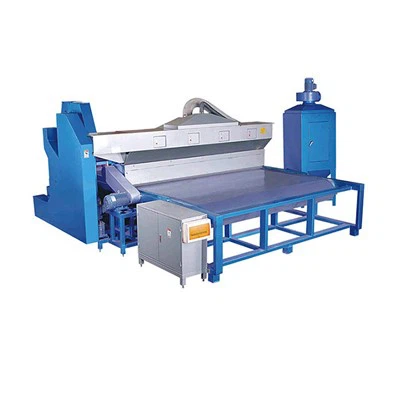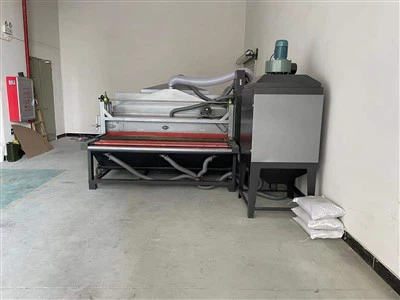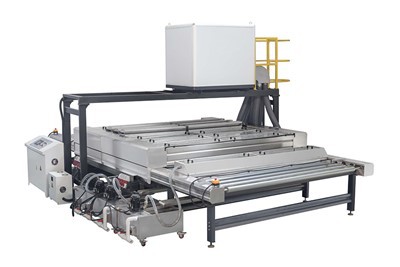
How to choose a suitable glass sand blasting machine?
As a provider of Glass Sand Blasting Machines, I understand that selecting the right equipment can be a challenging task. There are numerous factors to consider, from the type of glass you will be working with to your production volume and budget. In this blog post, I will guide you through the essential steps to help you choose a suitable glass sand blasting machine.
1. Understand Your Glass Blasting Needs
Before you start looking at different models of Glass Sand Blasting Machine, it's crucial to have a clear understanding of your specific needs.
Type of Glass: Different types of glass require different blasting techniques. For example, thin and delicate glass may need a more gentle blasting process to avoid cracking, while thick and durable glass can withstand more powerful blasting. Consider the thickness, strength, and shape of the glass you will be working with.
Desired Finish: The finish you want to achieve on the glass also plays a significant role in machine selection. Do you need a fine, smooth finish for decorative purposes, or a more coarse finish for privacy or industrial applications? Different sand blasting machines can produce various finishes, so it's important to know what you're aiming for.
Production Volume: If you have a high production volume, you'll need a machine that can handle continuous use and produce consistent results. On the other hand, if you only have occasional small - scale projects, a Small Sand Blasting Machine might be more suitable.
2. Consider the Machine Type
There are several types of glass sand blasting machines available on the market, each with its own advantages and limitations.
Cabinet Sand Blasting Machines: These are enclosed units that are ideal for small to medium - scale operations. They come in different sizes and can be used for various glass processing applications. The enclosed design helps to contain the abrasive and dust, making it a cleaner and safer option for the operator. Cabinet sand blasting machines are also easy to operate and maintain.
Pressure Blasting Machines: Pressure blasting machines are more powerful than suction blasting machines. They can deliver a higher abrasive flow rate, which means faster blasting and more efficient processing. This type of machine is suitable for large - scale production and for blasting thick or hard - to - etch glass.
Suction Blasting Machines: Suction blasting machines are more economical and less powerful. They work by creating a vacuum to draw the abrasive into the blast stream. These machines are suitable for smaller projects and for beginners who are just starting with glass sand blasting.
3. Evaluate the Abrasive Usage
The type and amount of abrasive used in the sand blasting process can significantly impact the performance and cost of the machine.
Abrasive Type: There are different types of abrasives available for glass sand blasting, such as silica sand, aluminum oxide, and garnet. Each abrasive has its own characteristics, such as hardness, grain size, and cost. For example, silica sand is a common and inexpensive abrasive, but it can pose health risks if inhaled. Aluminum oxide is a harder and more durable abrasive, which is suitable for high - quality finishes.
Abrasive Recycling: Some sand blasting machines come with an abrasive recycling system. This feature allows you to reuse the abrasive, which can save you money in the long run. If you have a high production volume, an abrasive recycling system is definitely worth considering.
4. Look at the Machine's Features and Specifications
When choosing a glass sand blasting machine, pay attention to the following features and specifications:
Blast Nozzle: The blast nozzle determines the shape and size of the blast pattern. Different nozzles can be used for different applications. For example, a wide - angle nozzle is suitable for large - area blasting, while a narrow - angle nozzle is better for detailed work.
Air Compressor Requirements: The sand blasting machine needs an air compressor to operate. Make sure to check the air compressor requirements of the machine, such as the air pressure and flow rate. You may need to purchase an air compressor separately if it's not included with the machine.
Control System: A good glass sand blasting machine should have an easy - to - use control system. This allows you to adjust the blasting parameters, such as the abrasive flow rate, air pressure, and blasting time, to achieve the desired results.
Build Quality and Durability: Invest in a machine that is built with high - quality materials and has a sturdy construction. A durable machine will last longer and require less maintenance over time.
5. Consider the Manufacturer and Support
The reputation of the manufacturer is an important factor to consider when choosing a glass sand blasting machine.
Manufacturer's Reputation: Look for a manufacturer with a good reputation in the industry. Read customer reviews and testimonials to get an idea of the quality of their products and services. A reliable manufacturer will stand behind their products and provide good after - sales support.
Technical Support and Training: Make sure the manufacturer offers technical support and training. This can be very helpful, especially if you're new to glass sand blasting. Technical support can assist you with installation, operation, and troubleshooting of the machine.
6. Budget Considerations
Your budget will also play a role in your decision - making process. While it's important to get the best machine for your needs, you also need to make sure it fits within your budget.
Initial Cost: The initial cost of the machine includes the purchase price, shipping, and any additional accessories. Compare the prices of different models and manufacturers to find the best value for your money.
Operating Costs: Consider the long - term operating costs, such as the cost of abrasives, air compressor energy consumption, and maintenance. A machine with lower operating costs can save you money in the long run.
If you are still unsure about which glass sand blasting machine is right for you, or if you have any questions about our Glass Sandblasting Equipment, please feel free to reach out. We are here to help you make an informed decision and find the perfect solution for your glass sand blasting needs. Contact us today to start a procurement discussion.


References
- "Glassworking: Principles and Practice." John Wiley & Sons.
- Industry reports on glass processing equipment.
- Manufacturer's brochures and specifications for glass sand blasting machines.