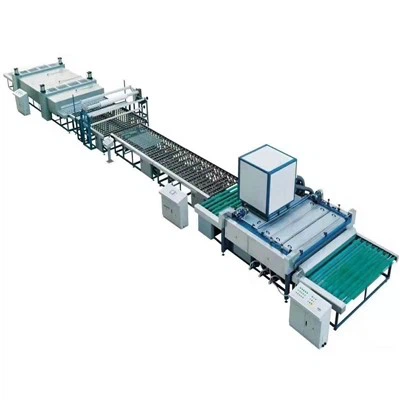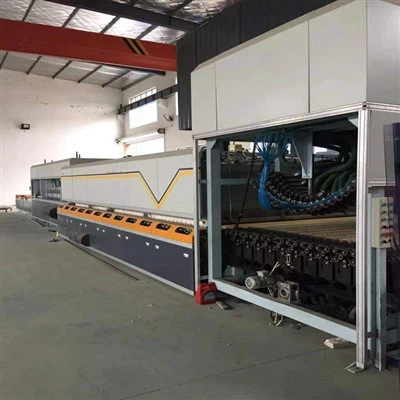
As a trusted supplier of Glass Sandblasting Equipment, I understand the significance of extending the service life of your machinery. Not only does it save you money in the long run, but it also ensures consistent and high - quality glass processing. In this blog, I'll share some practical tips on how to achieve this goal.
Regular Cleaning and Maintenance
One of the most fundamental steps in extending the service life of glass sandblasting equipment is regular cleaning. After each use, it's essential to remove any residual sand, dust, or debris from the machine. This can prevent the accumulation of abrasive materials that can cause wear and tear on internal components.
Start by emptying the sand hopper and cleaning it thoroughly. Use a brush or compressed air to remove any sand particles that may be stuck to the walls. Next, clean the blasting gun and nozzle. These parts are prone to clogging, which can affect the performance of the equipment. A clogged nozzle can lead to uneven sandblasting and increased pressure on the machine, potentially causing damage.
Inspect the hoses and connections for any signs of wear or leaks. Over time, hoses can become brittle or develop cracks, especially if they are exposed to abrasive sand. Replace any damaged hoses immediately to prevent sand leakage and ensure proper operation. You can find high - quality replacement parts for your Glass Sandblasting Machine on our website.
Proper Lubrication
Lubrication is another crucial aspect of maintaining glass sandblasting equipment. Moving parts such as pistons, bearings, and gears require regular lubrication to reduce friction and prevent premature wear. Refer to the manufacturer's manual for the recommended lubricants and lubrication intervals.
When applying lubricant, make sure to use the right amount. Too little lubrication may not provide sufficient protection, while too much can attract dust and debris, which can cause more harm than good. Use a clean cloth or applicator to apply the lubricant evenly to the moving parts.
Correct Sand Selection
The type of sand you use in your sandblasting equipment can have a significant impact on its service life. Using the wrong sand can cause excessive wear on the machine's components. For glass sandblasting, it's recommended to use fine - grained, high - quality sand that is specifically designed for glass etching.
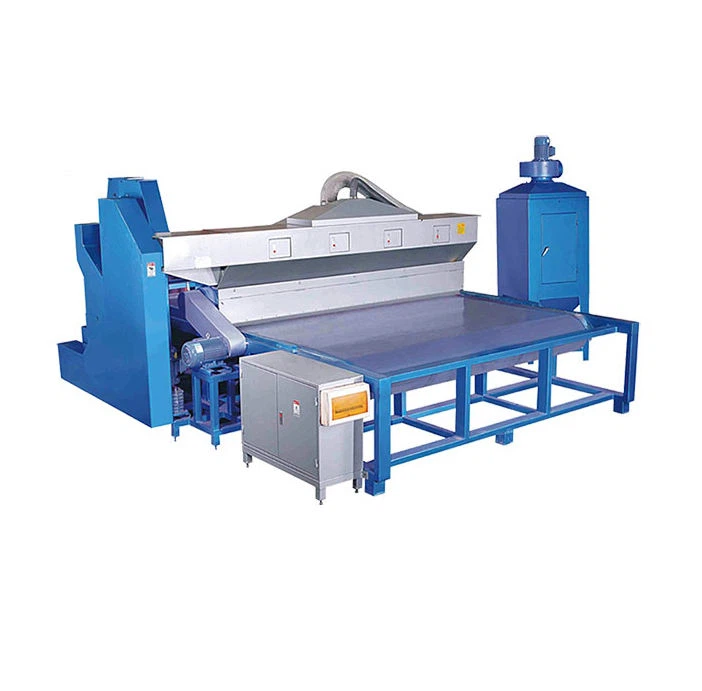

Sand Blaster for Glass Etching typically works best with sand that has a consistent particle size and shape. Avoid using sand that contains impurities or large particles, as these can damage the blasting gun, nozzle, and other internal parts. Additionally, make sure to store the sand in a dry place to prevent it from clumping, which can also cause problems during the sandblasting process.
Operator Training
Proper operator training is essential for the longevity of glass sandblasting equipment. An untrained operator may use the machine incorrectly, which can lead to unnecessary wear and tear. Provide comprehensive training to your operators on how to use the equipment safely and efficiently.
Train operators on the correct operating procedures, including how to set the right pressure, adjust the blasting gun, and load the sand properly. Teach them to recognize the signs of potential problems, such as unusual noises or vibrations, and how to respond appropriately. By having well - trained operators, you can minimize the risk of equipment damage and ensure that the machine is used to its full potential.
Environmental Considerations
The environment in which the glass sandblasting equipment is used and stored can also affect its service life. Try to keep the equipment in a clean, dry, and well - ventilated area. Moisture can cause rust and corrosion on metal parts, while dust and dirt can accumulate inside the machine and cause damage.
If the equipment is used in an outdoor environment, make sure to protect it from the elements. Use covers or shelters to shield the machine from rain, snow, and direct sunlight. Additionally, avoid using the equipment in areas with high humidity or extreme temperatures, as these conditions can accelerate the deterioration of the machine's components.
Regular Inspections
Regular inspections are a key part of extending the service life of glass sandblasting equipment. Conduct a thorough inspection of the machine at least once a month, or more frequently if the equipment is used heavily. Check for any signs of wear, damage, or loose parts.
Inspect the electrical components, such as motors and switches, for any signs of overheating or malfunction. Look for any signs of oil or fluid leaks, which can indicate a problem with the hydraulic or pneumatic systems. If you notice any issues during the inspection, address them immediately to prevent further damage.
Upgrades and Modernization
As technology advances, it may be beneficial to consider upgrading your glass sandblasting equipment. Upgrading to newer models or adding modern features can improve the performance and efficiency of the machine, as well as extend its service life.
For example, some newer Glass Sand Blasting Machine models come with advanced control systems that allow for more precise sandblasting. These systems can reduce the amount of sand used and minimize the wear on the machine's components. Additionally, upgrading to a more energy - efficient model can save you money on operating costs in the long run.
Conclusion
Extending the service life of glass sandblasting equipment requires a combination of regular cleaning, proper lubrication, correct sand selection, operator training, environmental considerations, regular inspections, and occasional upgrades. By following these tips, you can ensure that your equipment operates efficiently and reliably for many years to come.
If you are interested in purchasing high - quality glass sandblasting equipment or need further advice on equipment maintenance, please feel free to contact us. Our team of experts is always ready to assist you in finding the best solutions for your glass processing needs.
References
- Manufacturer's manuals for glass sandblasting equipment
- Industry best practices for sandblasting equipment maintenance