Hey there! As a supplier of Cnc Diamond Milling Cutter, I've seen firsthand how crucial it is to measure the wear of these cutters accurately. In this blog, I'll share some practical methods and insights on how to do just that.
Why Measuring Wear is Important
First off, let's talk about why measuring the wear of a CNC diamond milling cutter matters. A worn - out cutter can lead to a bunch of problems. For starters, it affects the quality of the workpiece. You might end up with rough surfaces, inaccurate dimensions, or even chipping on the edges. This can be a real headache, especially if you're working on high - precision projects.
Secondly, it impacts productivity. A worn cutter takes longer to machine the material, and you may need to make multiple passes to achieve the desired result. This not only slows down the production process but also increases energy consumption. And let's not forget about the cost. Using a worn cutter for too long can damage the workpiece, which means wasted materials and additional costs for rework.
Visual Inspection
One of the simplest ways to measure the wear of a CNC diamond milling cutter is through visual inspection. It's a quick and easy method that can give you a general idea of the cutter's condition.
Take a close look at the cutting edges. If you notice any signs of chipping, breakage, or rounding of the edges, it's a clear indication of wear. You can use a magnifying glass or a microscope for a more detailed view. Look for any missing diamond particles on the surface of the cutter. Over time, these particles can wear off or get dislodged, reducing the cutter's cutting ability.
Another thing to check is the color of the cutter. A discolored cutter may indicate overheating, which can accelerate wear. If you see a dark or blue - tinted area on the cutter, it's a sign that it has been exposed to high temperatures.
Measuring Cutter Dimensions
Measuring the dimensions of the cutter is another effective way to determine its wear. You can use tools like calipers or micrometers to measure the diameter, length, and width of the cutter. Compare these measurements with the original specifications of the cutter.
If the diameter of the cutter has decreased, it means that the cutting edges have worn down. A significant reduction in diameter can affect the accuracy of the machining process. Similarly, a change in the length or width of the cutter can also indicate wear.
Keep in mind that these measurements need to be taken at multiple points along the cutter to get an accurate picture of the wear pattern. For example, measure the diameter at the tip, middle, and base of the cutter. This can help you identify if the wear is uniform or if there are specific areas that are wearing faster than others.
Tool Life Monitoring Systems
Many modern CNC machines are equipped with tool life monitoring systems. These systems use sensors to measure various parameters such as cutting force, power consumption, and vibration.
When a cutter starts to wear, the cutting force required to machine the material increases. The tool life monitoring system can detect this change in cutting force and alert you when the cutter needs to be replaced. Similarly, an increase in power consumption can also indicate wear.
Vibration is another important parameter. A worn cutter tends to vibrate more during the machining process. The system can measure the vibration levels and use this data to predict the remaining life of the cutter.
Surface Roughness Measurement
The surface roughness of the workpiece can also provide clues about the wear of the CNC diamond milling cutter. A new cutter typically produces a smooth surface finish. As the cutter wears, the surface roughness of the workpiece increases.
You can use a surface roughness tester to measure the Ra (average roughness) value of the machined surface. Compare this value with the desired surface finish specifications. If the Ra value is higher than expected, it could be a sign that the cutter is worn.
However, it's important to note that other factors such as the material being machined, cutting parameters, and coolant can also affect the surface roughness. So, surface roughness measurement should be used in conjunction with other methods to accurately assess cutter wear.
Using Metal Bonded Diamond Grinding Wheels for Reference
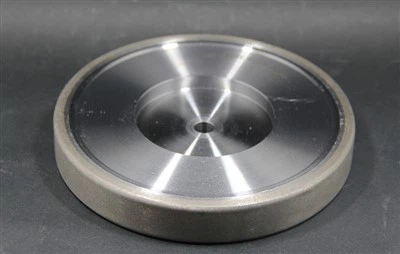
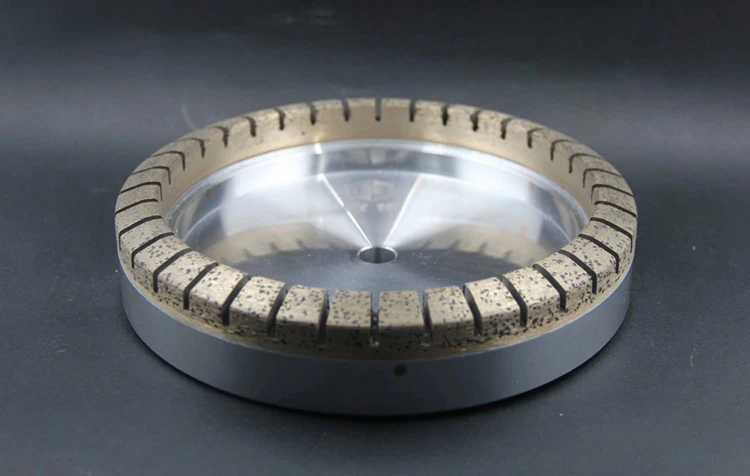
As a supplier, I often recommend using Metal Bonded Diamond Grinding Wheels as a reference for measuring the wear of CNC diamond milling cutters. These wheels have similar diamond - based cutting structures, and by comparing the wear patterns of the cutter with that of the grinding wheel, you can get a better understanding of the cutter's condition.
For example, if you notice that the diamond particles on the grinding wheel are starting to wear off in a certain pattern, and you see a similar pattern on the milling cutter, it's a strong indication of wear.
The Role of CNC Diamond Milling Wheel in Wear Assessment
CNC Diamond Milling Wheel can also play an important role in wear assessment. Similar to the milling cutter, the milling wheel is subject to wear during the machining process. By regularly inspecting and measuring the wear of the milling wheel, you can establish a baseline for wear rates.
This baseline can then be used to predict the wear of the CNC diamond milling cutter. If the wear rate of the milling wheel is known, and you notice that the cutter is showing signs of wear at a similar rate, you can take proactive measures to replace the cutter before it causes significant problems.
Conclusion
Measuring the wear of a CNC diamond milling cutter is essential for maintaining the quality of your workpieces, improving productivity, and reducing costs. By using a combination of visual inspection, dimension measurement, tool life monitoring systems, surface roughness measurement, and references from related tools like Metal Bonded Diamond Grinding Wheels and CNC Diamond Milling Wheel, you can accurately assess the condition of your cutters.

If you're in the market for high - quality CNC diamond milling cutters or need more information on wear measurement techniques, don't hesitate to reach out. We're here to help you make the most of your machining operations and ensure that you get the best results from your tools.
References
- "Tool Wear and Tool Life in Machining" by Stephenson and Agapiou
- "Manufacturing Engineering and Technology" by Kalpakjian and Schmid
- Industry - specific technical manuals and guides on CNC machining and diamond tools