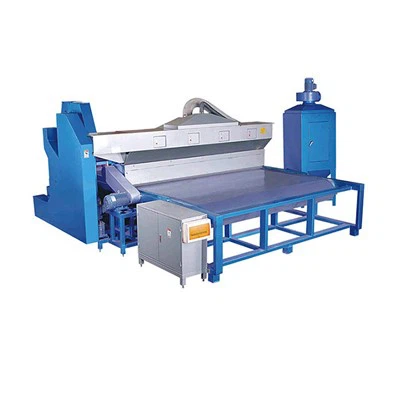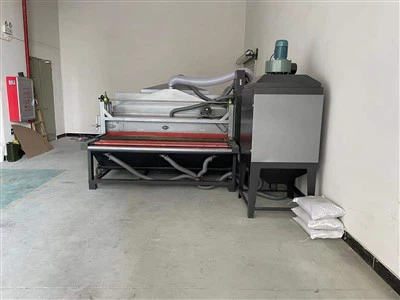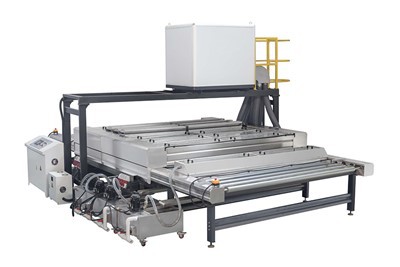
Clogging in a grit blasting machine can be a significant headache for operators and businesses alike. As a supplier of high - quality Grit Blasting Machine, I understand the importance of keeping these machines running smoothly. In this blog post, I'll share some effective strategies to prevent clogging in a grit blasting machine.
Understanding the Causes of Clogging
Before we dive into prevention methods, it's crucial to understand what causes clogging in the first place. One of the primary reasons is the use of improper abrasive materials. Abrasives that are too fine, contain a high level of dust, or are of inconsistent size can easily accumulate and block the passages in the machine.
Another common cause is the presence of foreign objects in the abrasive. These can include small pieces of metal, plastic, or debris that were not properly screened out before being added to the blasting system. Over time, these foreign objects can build up and cause blockages.
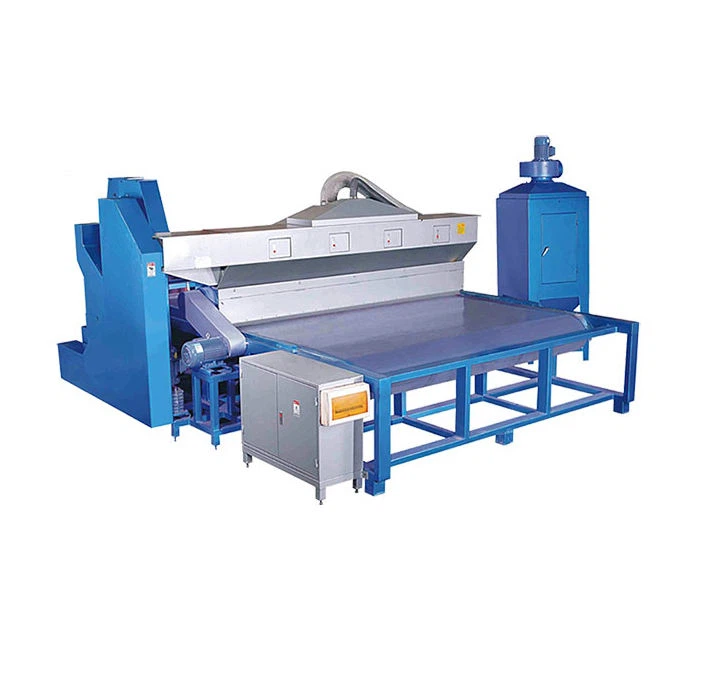

The condition of the machine itself also plays a role. Worn - out parts such as hoses, nozzles, and valves can lead to restricted flow, increasing the likelihood of clogging. Additionally, if the machine is not cleaned regularly, abrasive residue can build up inside the components, causing blockages.
Selecting the Right Abrasive
The choice of abrasive is fundamental in preventing clogging. You should select an abrasive that is appropriate for the specific application and the machine's capabilities. For example, when using a Vertical Glass Sand Blasting Machine, you need an abrasive that is fine - enough to achieve the desired finish on the glass but not so fine that it clogs the machine.
It's essential to use abrasives with a consistent particle size. Most manufacturers provide specifications for the recommended particle size range for their machines. Using an abrasive within this range ensures smooth flow through the system. For instance, if the machine is designed to handle abrasives with a particle size between 20 and 80 mesh, using an abrasive outside of this range can lead to clogging.
High - quality abrasives with low dust content are also preferable. Dust can accumulate in the machine's passages and cause blockages. Look for abrasives that have been processed to remove excess dust. Some abrasives come with anti - dust additives that can further reduce the amount of dust generated during the blasting process.
Proper Abrasive Storage and Handling
How you store and handle the abrasive can also impact the likelihood of clogging. Abrasives should be stored in a dry environment to prevent moisture absorption. Moisture can cause the abrasive particles to clump together, leading to blockages in the machine. Use sealed containers or storage silos to keep the abrasive dry.
Before adding the abrasive to the machine, it's a good practice to screen it to remove any foreign objects. A simple wire mesh screen can be used to filter out large pieces of debris. This step can significantly reduce the risk of clogging caused by foreign objects.
When transferring the abrasive to the machine, make sure to use clean equipment. Contaminated transfer tools can introduce dirt and debris into the abrasive, which can then cause blockages in the machine.
Regular Machine Maintenance
Regular maintenance is key to preventing clogging in a grit blasting machine. This includes inspecting and cleaning the machine's components on a regular basis. Start by checking the hoses for any signs of wear or damage. Cracked or worn hoses can restrict the flow of abrasive and increase the risk of clogging. Replace any damaged hoses immediately.
The nozzles are another critical component. Over time, nozzles can wear out, causing the flow of abrasive to become uneven. This can lead to blockages in the nozzle or downstream in the system. Inspect the nozzles regularly and replace them when they show signs of excessive wear.
Valves also need to be maintained. Check the valves for proper operation and clean them to remove any abrasive residue. Sticking valves can disrupt the flow of abrasive and cause clogging. Lubricate the valves as recommended by the manufacturer to ensure smooth operation.
In addition to component inspection, it's important to clean the entire machine periodically. This can be done by running a cleaning cycle with a cleaning agent or by disassembling the machine and manually cleaning the components. Removing the built - up abrasive residue from the machine's interior can prevent blockages and extend the life of the machine.
Monitoring the Blasting Process
During the blasting process, it's important to monitor the machine closely. Pay attention to any changes in the pressure, flow rate, or sound of the machine. A sudden drop in pressure or a decrease in the flow rate can be an indication of a clog. If you notice any of these signs, stop the machine immediately and investigate the cause.
It's also a good idea to keep a record of the machine's performance. This can help you identify any patterns or trends that may indicate a potential clogging problem. For example, if you notice that the machine tends to clog more frequently after a certain number of hours of operation, you can schedule more frequent maintenance or take other preventive measures.
Training the Operators
Proper training of the operators is essential in preventing clogging. Operators should be familiar with the machine's operation, maintenance requirements, and the importance of using the right abrasive. They should know how to monitor the machine during the blasting process and how to respond to signs of clogging.
Provide operators with detailed training manuals and conduct regular training sessions. Encourage them to ask questions and provide feedback. Well - trained operators are more likely to operate the machine correctly and take the necessary steps to prevent clogging.
Conclusion
Preventing clogging in a grit blasting machine requires a combination of proper abrasive selection, storage, and handling, regular machine maintenance, monitoring of the blasting process, and operator training. By following these strategies, you can keep your Grit Blasting Machine running smoothly and avoid costly downtime.
If you're in the market for a high - quality grit blasting machine or need more information on preventing clogging, we're here to help. Our team of experts can provide you with the right advice and solutions for your specific needs. Whether you're looking for a Vertical Glass Sand Blasting Machine or Glass Sandblasting Equipment, we have a wide range of products to choose from. Contact us today to start a discussion about your requirements and explore the best options for your business.
References
- "Grit Blasting Machine Operation Manuals"
- Industry standards and guidelines for abrasive blasting equipment
- Technical papers on abrasive materials and their properties