Hey there! As a supplier of CNC diamond milling cutters, I've seen my fair share of tool breakages. It's a headache for everyone involved - from the manufacturers on the shop floor to us suppliers. In this blog, I'll share some tips on how to prevent tool breakage of a CNC diamond milling cutter.
Understanding the Causes of Tool Breakage
Before we dive into prevention methods, it's important to understand why tool breakage happens. There are several factors that can contribute to this issue:
1. Incorrect Cutting Parameters
Using the wrong cutting speed, feed rate, or depth of cut can put excessive stress on the cutter. For example, if the cutting speed is too high, the cutter can overheat and lose its sharpness quickly. On the other hand, if the feed rate is too low, the cutter may rub against the workpiece instead of cutting it, leading to premature wear and breakage.
2. Poor Workpiece Material
The quality and hardness of the workpiece material can also affect the lifespan of the cutter. If the material is too hard or has inclusions, it can cause the cutter to chip or break. Additionally, if the material is not properly secured during the machining process, it can move or vibrate, which can also lead to tool breakage.
3. Improper Tool Handling and Storage
How the cutter is handled and stored can also have a significant impact on its performance. If the cutter is dropped or mishandled, it can damage the cutting edges. Similarly, if the cutter is not stored properly, it can rust or corrode, which can weaken the tool and cause it to break.
4. Machine Issues
Problems with the CNC machine itself can also contribute to tool breakage. For example, if the machine is not properly calibrated or has a loose spindle, it can cause the cutter to vibrate or run out of true, which can lead to uneven cutting and tool breakage.
Prevention Methods
Now that we understand the causes of tool breakage, let's look at some ways to prevent it:
1. Optimize Cutting Parameters
One of the most important steps in preventing tool breakage is to optimize the cutting parameters. This means choosing the right cutting speed, feed rate, and depth of cut for the specific workpiece material and cutter. You can use cutting parameter calculators or consult with the cutter manufacturer to determine the optimal settings.
2. Select the Right Cutter
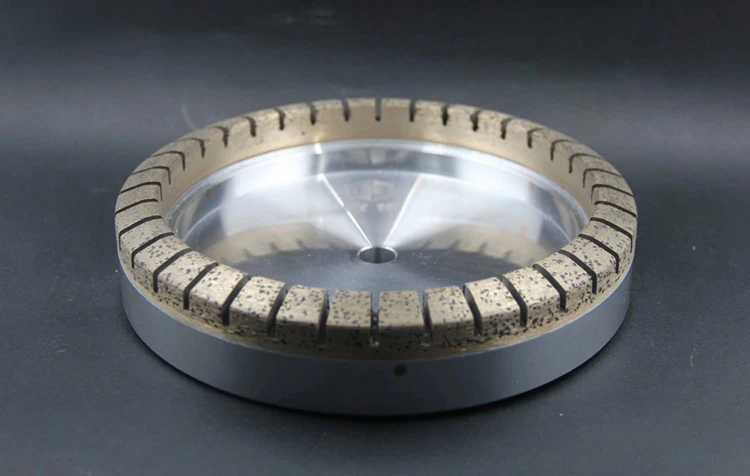
Choosing the right cutter for the job is also crucial. Different cutters are designed for different materials and applications, so it's important to select a cutter that is suitable for the specific workpiece material and machining operation. For example, if you're machining a hard material, you may need a cutter with a higher diamond concentration or a different bonding material.
3. Ensure Proper Workpiece Preparation
Proper workpiece preparation is essential for preventing tool breakage. This includes ensuring that the material is properly secured during the machining process and that it is free of inclusions or other defects. You may also need to pre-drill or pre-mill the workpiece to reduce the stress on the cutter.
4. Handle and Store the Cutter Properly
As mentioned earlier, how the cutter is handled and stored can have a significant impact on its performance. When handling the cutter, be sure to use proper tools and techniques to avoid dropping or damaging the cutting edges. When storing the cutter, keep it in a dry, clean place and protect it from moisture and corrosion.
5. Maintain the CNC Machine
Regular maintenance of the CNC machine is also important for preventing tool breakage. This includes checking and adjusting the machine's alignment, spindle runout, and other parameters on a regular basis. You should also clean and lubricate the machine according to the manufacturer's recommendations.
6. Monitor the Machining Process
Finally, it's important to monitor the machining process closely to detect any signs of tool wear or breakage. You can use sensors or other monitoring devices to track the performance of the cutter and alert you if there are any issues. Additionally, you should inspect the cutter regularly to check for signs of wear or damage.
Additional Resources
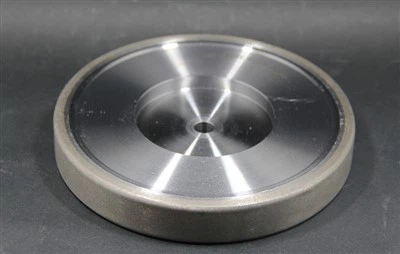
If you're looking for more information on CNC diamond milling cutters or other glass machine consumables, be sure to check out our website. We offer a wide range of products, including Diamond Router Bit, Metal Bonded Diamond Grinding Wheels, and Car Windshield Removal Tool.
Conclusion
Preventing tool breakage of a CNC diamond milling cutter is essential for ensuring the efficiency and productivity of your machining operations. By understanding the causes of tool breakage and implementing the prevention methods outlined in this blog, you can extend the lifespan of your cutters and reduce the cost of tool replacement. If you have any questions or need further assistance, please don't hesitate to contact us. We're here to help you find the right solutions for your machining needs.
References
- "Cutting Tool Engineering Handbook," Society of Manufacturing Engineers
- "CNC Machining Handbook," Industrial Press Inc.
- "Diamond Tool Technology," ASM International