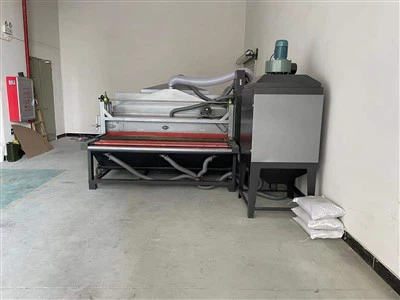
When it comes to sand - blasting glass with a machine, protecting the glass from damage is of utmost importance. As a well - established Glass Sand Blasting Machine supplier, I've witnessed firsthand the challenges and requirements in this process. In this blog, I'll share some valuable insights on how to safeguard glass during sand - blasting operations.
Understanding the Sand - Blasting Process
Before delving into protection methods, it's essential to understand the sand - blasting process. Sand - blasting involves propelling abrasive materials at high speed onto the surface of the glass. This can be achieved using different types of machines, such as the Vertical Glass Sand Blasting Machine, Sand Blaster for Glass Etching, and Grit Blasting Machine. The abrasive action can etch, clean, or modify the glass surface, but it also poses a risk of damage if not properly controlled.
Selecting the Right Abrasive Material
The choice of abrasive material plays a crucial role in protecting the glass. Different abrasives have varying hardness, shape, and size, which directly affect the impact on the glass. For delicate glass, softer abrasives like baking soda or walnut shells are often recommended. These abrasives are less likely to cause cracks or chips on the glass surface. On the other hand, for more robust glass or when a deeper etch is required, harder abrasives such as aluminum oxide or silicon carbide can be used, but with careful control of the blasting parameters.
Controlling the Blasting Pressure
Blasting pressure is another critical factor. Excessive pressure can lead to glass breakage or uneven etching. It's important to start with a low pressure and gradually increase it while monitoring the glass's reaction. For most standard glass, a pressure range of 20 - 40 psi (pounds per square inch) is a good starting point. However, this can vary depending on the type of glass, the abrasive used, and the desired effect. Our machines are equipped with pressure control systems that allow for precise adjustment, ensuring that the pressure remains within the safe and effective range.
Maintaining the Right Distance
The distance between the blasting nozzle and the glass surface also affects the outcome. If the nozzle is too close, the impact force will be concentrated, increasing the risk of damage. Conversely, if it's too far, the abrasive may not have enough force to achieve the desired effect. A general rule of thumb is to keep a distance of 4 - 6 inches from the glass surface. This distance can be adjusted based on the specific requirements of the project.
Using Masking Techniques
Masking is an effective way to protect certain areas of the glass from the abrasive. Masking materials such as vinyl tape, stencils, or specialized masking films can be used to cover the parts of the glass that you don't want to be sand - blasted. Make sure the masking material is firmly adhered to the glass to prevent abrasive from seeping under it. Before blasting, double - check the edges of the masking to ensure a tight seal.
Pre - Inspecting the Glass
Before starting the sand - blasting process, it's essential to inspect the glass for any existing cracks, chips, or weak points. Even a small imperfection can become a starting point for further damage during blasting. If any defects are found, it's advisable to repair or replace the glass to avoid potential problems. Additionally, clean the glass thoroughly to remove any dirt, dust, or grease, as these can affect the adhesion of the masking material and the quality of the blasting.
Ensuring Proper Machine Maintenance
Regular maintenance of the sand - blasting machine is vital for protecting the glass. A well - maintained machine operates more smoothly and consistently, reducing the risk of unexpected issues that could damage the glass. Check the hoses, nozzles, and pressure gauges regularly for any signs of wear or damage. Replace worn - out parts promptly to ensure the machine's optimal performance.
Training the Operators
Proper training of the operators is essential. An experienced and well - trained operator can better control the sand - blasting process, making adjustments as needed to protect the glass. Provide comprehensive training on the machine's operation, including how to set the correct parameters, use masking techniques, and handle different types of glass. Encourage operators to practice on scrap glass before working on valuable or delicate pieces.
Monitoring the Blasting Process
During the sand - blasting process, continuous monitoring is necessary. Watch for any signs of damage, such as cracks, chips, or uneven etching. If any issues are detected, stop the process immediately and make the necessary adjustments. It's also important to monitor the quality of the abrasive. Over time, the abrasive can become contaminated or worn, which can affect the blasting performance and increase the risk of damage. Replace the abrasive when it no longer meets the required standards.
Post - Blasting Inspection and Cleaning
After the sand - blasting is complete, inspect the glass carefully. Check for any remaining masking material and remove it gently. Clean the glass to remove any residual abrasive and dust. Use a soft cloth and a mild cleaning solution to avoid scratching the glass. If any minor damage is found, it may be possible to repair it using appropriate glass repair techniques.
Conclusion
Protecting glass during sand - blasting with a machine requires a combination of proper material selection, parameter control, masking techniques, and operator training. By following these guidelines, you can minimize the risk of damage and achieve high - quality sand - blasted glass products. As a Glass Sand Blasting Machine supplier, we are committed to providing you with the best - in - class machines and technical support to ensure the success of your sand - blasting projects.
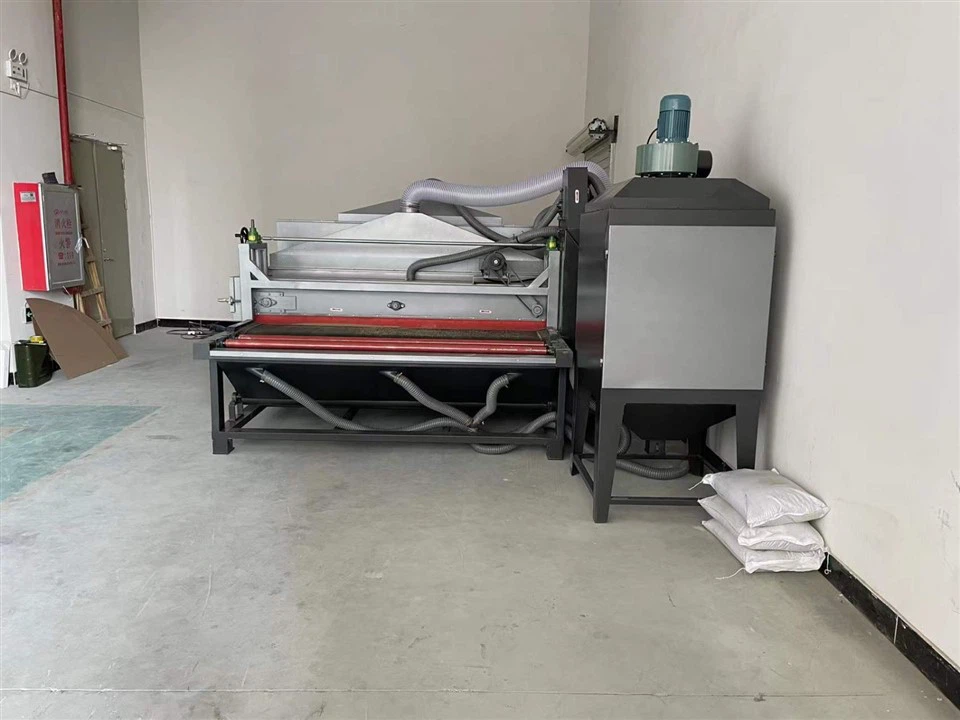

If you're interested in our Vertical Glass Sand Blasting Machine, Sand Blaster for Glass Etching, or Grit Blasting Machine, or if you have any questions about glass sand - blasting, please feel free to contact us for further discussion and potential procurement.
References
- "Glass Processing Handbook" - A comprehensive guide on various glass processing techniques, including sand - blasting.
- Industry research papers on glass sand - blasting technology and best practices.
- Manufacturer's manuals for our Glass Sand Blasting Machines, which provide detailed information on operation and maintenance.