Selecting the right abrasive for a grit blasting machine isn't as simple as it might seem. As a supplier of Grit Blasting Machine, I've seen firsthand how the wrong choice can lead to all sorts of headaches. In this blog, I'll share some tips on how to pick the appropriate abrasive for your grit blasting needs.
Understanding Your Blasting Needs
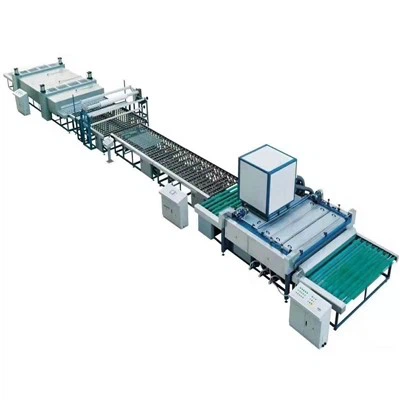
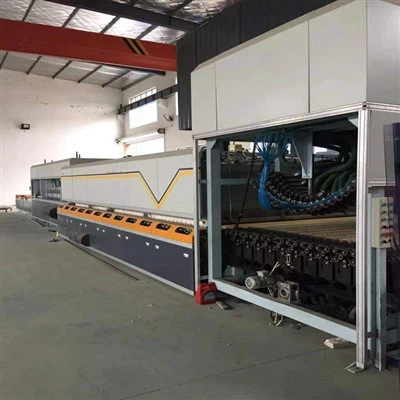
First things first, you gotta figure out what you're blasting. Are you working on glass, metal, or some other material? Each material has its own characteristics and requirements when it comes to blasting. For example, if you're using a Vertical Glass Sand Blasting Machine to etch glass, you'll need a different abrasive than if you're removing rust from a metal surface.


The surface finish you're aiming for is also crucial. Do you want a smooth, polished look, or a rough, textured finish? Different abrasives will give you different results. A fine-grit abrasive will usually produce a smoother finish, while a coarse-grit abrasive will create a more textured surface.
Types of Abrasives
There are several types of abrasives available on the market, each with its own pros and cons.
Sand
Sand is one of the most commonly used abrasives. It's relatively inexpensive and can be used for a variety of applications. However, it can also be quite dusty, which can be a health hazard if proper safety measures aren't taken. Also, sand can break down quickly, especially when used on hard surfaces, which means you'll need to replenish it more often.
Aluminum Oxide
Aluminum oxide is a popular choice for blasting because it's durable and can be reused multiple times. It comes in a range of grit sizes, so you can choose the one that's best for your application. Aluminum oxide is great for removing paint, rust, and other contaminants from metal surfaces. It can also be used for glass etching, but you'll need to be careful not to use too coarse a grit, as it can scratch the glass.
Silicon Carbide
Silicon carbide is a very hard abrasive that's often used for precision work. It's more expensive than sand and aluminum oxide, but it lasts longer and can produce a very smooth finish. Silicon carbide is commonly used for glass etching and polishing, as well as for blasting hard materials like ceramics and stone.
Garnet
Garnet is a natural abrasive that's known for its sharp edges and high cutting ability. It's environmentally friendly and produces less dust than sand. Garnet is often used for blasting metal, wood, and fiberglass. It's also a good choice for outdoor blasting, as it can withstand the elements better than some other abrasives.
Abrasive Grit Size
The grit size of an abrasive refers to the size of the individual particles. The smaller the grit size, the finer the abrasive. For example, a 60-grit abrasive has larger particles than a 220-grit abrasive.
When choosing the grit size, you need to consider the surface you're blasting and the finish you want to achieve. If you're removing a thick layer of paint or rust, you'll probably want to use a coarse-grit abrasive, like 36 or 60 grit. This will allow you to remove the material quickly. If you're looking for a smooth finish or doing some fine detailing, a fine-grit abrasive, like 120 or 220 grit, would be a better choice.
Abrasive Shape
The shape of the abrasive particles can also affect the blasting process. Abrasives can be either angular or rounded.
Angular abrasives, like aluminum oxide and silicon carbide, have sharp edges that cut into the surface being blasted. They're great for removing tough contaminants and creating a rough finish. Rounded abrasives, like glass beads and steel shot, are more gentle and are often used for peening or polishing, where you want to avoid scratching the surface.
Cost and Availability
Of course, cost and availability are also important factors to consider. Some abrasives, like sand, are very inexpensive and widely available. Others, like silicon carbide, can be quite expensive and may not be as easy to find. You'll need to balance your budget with the performance you need from the abrasive.
Safety Considerations
Safety should always be your top priority when using a Glass Sand Blasting Machine or any other blasting equipment. Different abrasives can pose different safety risks. For example, sand can cause silicosis, a serious lung disease, if inhaled. Make sure you wear appropriate personal protective equipment, like a respirator, goggles, and gloves, when blasting.
Also, be aware of the environmental impact of the abrasive you're using. Some abrasives, like certain types of metal shot, can be hazardous to the environment if not disposed of properly.
Conclusion
Selecting the appropriate abrasive for a grit blasting machine is a crucial step in achieving the best results. By understanding your blasting needs, the types of abrasives available, and the factors to consider, you can make an informed decision.
If you're still not sure which abrasive is right for your application, don't hesitate to reach out. As a supplier of grit blasting machines, we have the expertise and experience to help you choose the best abrasive for your needs. Whether you're a professional contractor or a DIY enthusiast, we're here to support you. Contact us to discuss your requirements and start your procurement process today. We look forward to working with you to find the perfect solution for your grit blasting needs.
References
- "Abrasive Blasting Guide" - Industrial Supply Association
- "Surface Preparation and Coating Application" - Society for Protective Coatings
- "The Science of Abrasive Blasting" - Blasting Equipment Manufacturers Association