What are the challenges in importing glass processing machinery?
As a supplier of glass processing machinery, I've witnessed firsthand the complexities and challenges that come with importing these specialized pieces of equipment. In this blog post, I'll delve into the various obstacles that importers may encounter and offer some insights on how to navigate them successfully.
Regulatory Hurdles
One of the most significant challenges in importing glass processing machinery is navigating the complex web of regulations and standards. Different countries have their own set of rules regarding product safety, environmental impact, and technical specifications. For example, the European Union has strict regulations under the Machinery Directive, which requires machinery to meet certain safety and performance standards before it can be sold within the EU market.
Importers need to ensure that the glass processing machinery they are importing complies with all relevant regulations in their target market. This may involve obtaining certifications such as CE (Conformité Européene) for products destined for the EU, or UL (Underwriters Laboratories) for the United States. Failure to comply with these regulations can result in costly delays, fines, or even the rejection of the shipment at the border.
To overcome these regulatory challenges, it's crucial to work closely with a reputable supplier who has experience in exporting to your target market. A reliable supplier will be familiar with the local regulations and can provide the necessary documentation and support to ensure that the machinery meets all the requirements. Additionally, it's advisable to consult with a customs broker or trade consultant who can provide guidance on the specific regulations and procedures for importing glass processing machinery.
Shipping and Logistics
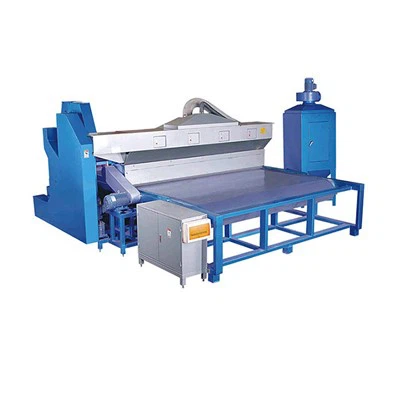
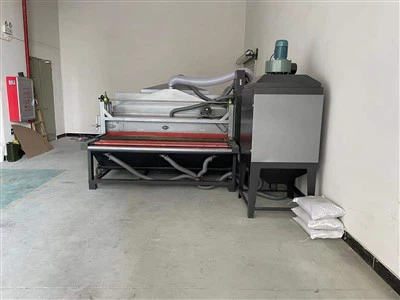
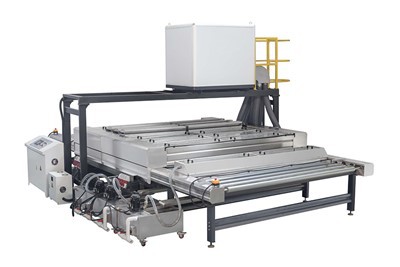
Another major challenge in importing glass processing machinery is the shipping and logistics involved. Glass processing machinery is often large, heavy, and fragile, which makes it difficult and expensive to transport. Importers need to carefully consider the shipping method, packaging, and insurance to ensure that the machinery arrives at its destination in good condition.
When it comes to shipping, there are several options available, including sea freight, air freight, and land transportation. Sea freight is typically the most cost-effective option for large and heavy machinery, but it can also be the slowest. Air freight, on the other hand, is faster but more expensive. Importers need to weigh the pros and cons of each option based on their specific needs and budget.
Proper packaging is also essential to protect the machinery during transit. Glass processing machinery should be packed in sturdy crates or containers that are designed to withstand the rigors of shipping. The packaging should also include cushioning materials to prevent damage from vibrations and impacts. Additionally, it's important to label the packages clearly with the necessary information, such as the product name, model number, and destination address.
Insurance is another important consideration when importing glass processing machinery. Importers should purchase comprehensive insurance coverage to protect against loss or damage during transit. The insurance policy should cover the full value of the machinery, including the cost of shipping and any additional fees. It's also advisable to work with a reputable insurance provider who has experience in insuring high-value and fragile goods.
Technical Support and Training
Once the glass processing machinery has been imported and installed, importers may face challenges in operating and maintaining the equipment. Glass processing machinery is often complex and requires specialized knowledge and skills to operate effectively. Importers may need to provide training to their employees or hire experienced technicians to ensure that the machinery is used correctly and maintained properly.
As a supplier, I understand the importance of providing comprehensive technical support and training to our customers. We offer on-site training programs for our glass processing machinery, which cover everything from basic operation to advanced maintenance and troubleshooting. Our training programs are conducted by experienced technicians who have in-depth knowledge of our products. Additionally, we provide ongoing technical support to our customers, including remote assistance and spare parts availability.
To ensure that our customers have access to the latest technical information and resources, we also maintain a comprehensive online support portal. The portal includes user manuals, technical specifications, troubleshooting guides, and video tutorials. Our customers can access the portal 24/7 to get the information they need to operate and maintain our glass processing machinery.


Cost and Pricing
Cost is always a major consideration when importing glass processing machinery. Importers need to carefully evaluate the total cost of ownership, including the purchase price, shipping costs, customs duties, taxes, and ongoing maintenance and operating costs. Additionally, importers need to consider the pricing strategy of the supplier and compare it with other suppliers in the market.
As a supplier, we understand the importance of offering competitive pricing without compromising on quality. We work closely with our customers to understand their specific needs and budget and provide them with customized solutions that meet their requirements. Additionally, we offer flexible payment terms and financing options to help our customers manage their cash flow.
To ensure that our customers get the best value for their money, we also offer a range of after-sales services, including technical support, training, and spare parts availability. Our after-sales services are designed to help our customers maximize the performance and lifespan of our glass processing machinery and minimize their total cost of ownership.
Conclusion
Importing glass processing machinery can be a challenging but rewarding experience. By understanding the various challenges and taking the necessary steps to overcome them, importers can ensure a successful import process and enjoy the benefits of high-quality glass processing machinery. As a supplier, I'm committed to providing our customers with the best possible products and services and helping them navigate the challenges of importing glass processing machinery.
If you're interested in importing glass processing machinery, I encourage you to [contact us] to discuss your specific needs and requirements. Our team of experts will be happy to provide you with more information and answer any questions you may have. We look forward to working with you to find the perfect solution for your glass processing needs.
References
- European Union Machinery Directive
- Underwriters Laboratories (UL) Standards
- International Maritime Organization (IMO) Regulations
- World Customs Organization (WCO) Guidelines