In the realm of glass processing, control systems play a pivotal role in ensuring precision, efficiency, and quality. As a seasoned glass processing machinery supplier, I've witnessed firsthand how advanced control systems can transform the glass manufacturing process. In this blog, I'll delve into the various control systems of glass processing machinery, exploring their functions, benefits, and how they contribute to the overall success of glass production.
1. Programmable Logic Controllers (PLCs)
Programmable Logic Controllers, commonly known as PLCs, are the workhorses of modern glass processing machinery. These industrial computers are designed to automate and control a wide range of processes, from simple tasks like conveyor belt movement to complex operations such as glass cutting and shaping.
Function
PLCs operate based on a set of pre - programmed instructions. They receive input signals from sensors placed throughout the machinery, such as proximity sensors, photoelectric sensors, and pressure sensors. These sensors detect the position, presence, or condition of various components in the glass processing line. Based on the input received, the PLC processes the data and sends output signals to actuators, such as motors, solenoid valves, and relays. For example, in a glass cutting machine, a PLC can control the movement of the cutting head based on the dimensions and shape of the glass specified in the program.
Benefits
- Flexibility: PLCs can be easily reprogrammed to accommodate different glass processing requirements. This means that a single machine can be used for multiple production runs with varying specifications.
- Reliability: They are designed to withstand harsh industrial environments, including high temperatures, dust, and vibrations. This ensures consistent performance and reduces the risk of breakdowns.
- Diagnostics: PLCs have built - in diagnostic capabilities that allow operators to quickly identify and troubleshoot problems. This minimizes downtime and improves overall productivity.
2. Human - Machine Interfaces (HMIs)
Human - Machine Interfaces, or HMIs, are the communication link between operators and the glass processing machinery. They provide a user - friendly interface through which operators can monitor and control the machine's operation.
Function
HMIs typically consist of a touchscreen display that shows real - time information about the machine's status, such as temperature, pressure, speed, and production output. Operators can use the touchscreen to input commands, set parameters, and view historical data. For instance, in a glass tempering furnace, an operator can use the HMI to adjust the heating temperature and the duration of the tempering process.
Benefits
- Ease of Use: HMIs simplify the operation of complex glass processing machinery. Operators can quickly learn how to use the interface, reducing the need for extensive training.
- Improved Efficiency: By providing real - time information, HMIs allow operators to make informed decisions and adjust the machine's operation as needed. This leads to faster production cycles and higher quality products.
- Enhanced Safety: HMIs can display safety warnings and alerts, ensuring that operators are aware of potential hazards and can take appropriate action.
3. Motion Control Systems
Motion control systems are responsible for precisely controlling the movement of various components in glass processing machinery, such as cutting heads, grinding wheels, and conveyor belts.
Function
These systems use servo motors and drives to achieve accurate and repeatable motion. Servo motors are highly responsive and can be controlled with high precision. They receive commands from the control system, which specify the speed, position, and acceleration of the motor. For example, in a glass edge grinding machine, the motion control system ensures that the grinding wheel moves along the edge of the glass with a consistent speed and pressure.
Benefits
- Precision: Motion control systems enable high - precision glass processing, resulting in products with tight tolerances and smooth surfaces.
- Productivity: By optimizing the movement of components, these systems can reduce cycle times and increase the overall production rate.
- Quality Control: Precise motion control helps to ensure that each glass product meets the required quality standards.
4. Vision Systems
Vision systems are increasingly being used in glass processing machinery to inspect and measure glass products during the manufacturing process.
Function
These systems use cameras and image - processing software to capture and analyze images of the glass. They can detect defects such as cracks, scratches, and inclusions, as well as measure the dimensions and shape of the glass. For example, in a glass inspection machine, a vision system can quickly identify any flaws in the glass and reject defective products.

Benefits
- Quality Assurance: Vision systems help to ensure that only high - quality glass products are shipped to customers. By detecting defects early in the production process, they can reduce waste and improve customer satisfaction.
- Automation: These systems can operate automatically, eliminating the need for manual inspection. This not only saves time but also reduces the risk of human error.
- Data Collection: Vision systems can collect data about the quality of the glass products, which can be used for process improvement and statistical analysis.
5. Temperature Control Systems
Temperature control is crucial in many glass processing operations, such as melting, annealing, and tempering. Temperature control systems are used to maintain the desired temperature in glass processing equipment.
Function
These systems use sensors, such as thermocouples and resistance temperature detectors (RTDs), to measure the temperature inside the equipment. The control system then adjusts the heating or cooling elements, such as burners or cooling fans, to maintain the set temperature. For example, in a glass melting furnace, the temperature control system ensures that the glass is melted at the correct temperature to achieve the desired viscosity.
Benefits
- Product Quality: Precise temperature control is essential for producing high - quality glass products. Incorrect temperatures can lead to defects such as uneven thickness, stress fractures, and poor optical properties.
- Energy Efficiency: By optimizing the temperature control, these systems can reduce energy consumption and lower operating costs.
- Equipment Longevity: Maintaining the correct temperature helps to extend the lifespan of the glass processing equipment by reducing thermal stress.
Conclusion
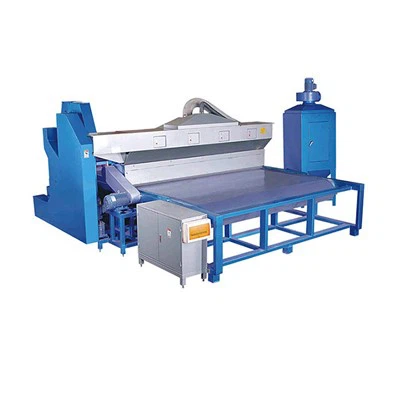
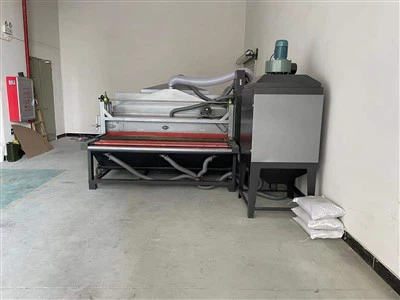
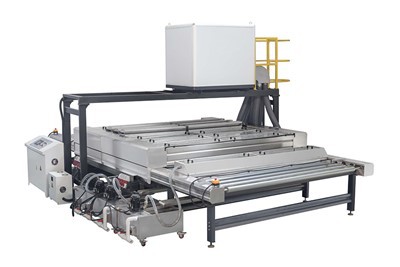
As a glass processing machinery supplier, I understand the importance of reliable and advanced control systems. The control systems mentioned above - PLCs, HMIs, motion control systems, vision systems, and temperature control systems - work together to ensure the efficient, precise, and high - quality production of glass products. Whether you are looking for a Glass Sand Blasting Machine, a Small Sand Blasting Machine, or Glass Sandblasting Equipment, our machinery is equipped with state - of - the - art control systems to meet your specific needs.
If you are interested in learning more about our glass processing machinery or would like to discuss your procurement requirements, please feel free to reach out. Our team of experts is ready to assist you in finding the best solutions for your glass processing operations.
References
- "Industrial Automation Handbook", by Peter Welter
- "Motion Control Basics", by Yaskawa America
- "Machine Vision Technology and Applications", by John C. Russ