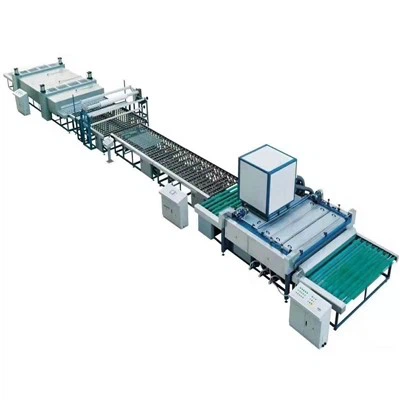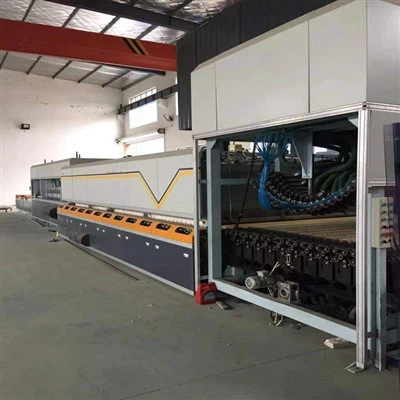
When it comes to glass sandblasting, the compatibility between sandblasting nozzles and the glass sandblasting machine is a crucial factor that directly impacts the efficiency and quality of the sandblasting process. As a supplier of Glass Sand Blasting Machine, I have witnessed firsthand the significance of this compatibility in various industrial applications.
Understanding the Basics of Glass Sandblasting
Glass sandblasting is a process that involves propelling abrasive particles at high speeds onto the surface of glass to create a frosted or textured finish. This technique is widely used in architectural glass, decorative glass, and automotive glass industries. The sandblasting machine serves as the core equipment, providing the power and pressure to drive the abrasive particles through the nozzle and onto the glass surface.
Types of Sandblasting Nozzles
There are several types of sandblasting nozzles available in the market, each with its own unique characteristics and applications. The most common types include:


Tungsten Carbide Nozzles
Tungsten carbide nozzles are known for their high hardness and wear resistance. They can withstand the high - pressure and high - velocity flow of abrasive particles, making them suitable for long - term and heavy - duty sandblasting operations. These nozzles are often used in industrial settings where large volumes of glass need to be sandblasted. The smooth inner surface of tungsten carbide nozzles ensures a consistent flow of abrasives, resulting in a uniform sandblasting effect on the glass surface.
Ceramic Nozzles
Ceramic nozzles are another popular choice for glass sandblasting. They are relatively inexpensive compared to tungsten carbide nozzles and offer good wear resistance. Ceramic nozzles are suitable for medium - duty sandblasting applications. However, they are more brittle than tungsten carbide nozzles and may break if subjected to sudden impacts or excessive pressure.
Plastic Nozzles
Plastic nozzles are lightweight and inexpensive. They are typically used for light - duty sandblasting tasks, such as small - scale glass art projects or hobbyist applications. Plastic nozzles are not as durable as tungsten carbide or ceramic nozzles and may need to be replaced more frequently.
Compatibility Factors
The compatibility between sandblasting nozzles and a glass sandblasting machine depends on several factors:
Pressure Rating
The pressure rating of the sandblasting machine must be compatible with the pressure - handling capacity of the nozzle. If the machine generates too much pressure for the nozzle, it can cause the nozzle to wear out quickly or even break. On the other hand, if the pressure is too low, the sandblasting process may be inefficient, resulting in a poor finish on the glass. For example, a high - pressure glass sandblasting machine may require a tungsten carbide nozzle with a high - pressure rating to ensure optimal performance.
Abrasive Type
Different types of abrasives have different properties, such as particle size, shape, and hardness. The nozzle must be compatible with the abrasive being used. For instance, if you are using a coarse - grained abrasive, a nozzle with a larger inner diameter may be required to allow the abrasive particles to pass through smoothly. Fine - grained abrasives may work well with nozzles having a smaller inner diameter.
Flow Rate
The flow rate of the abrasive through the nozzle is also an important consideration. The sandblasting machine should be able to provide a sufficient flow rate to match the nozzle's capacity. A mismatch in flow rate can lead to uneven sandblasting, where some areas of the glass may receive more abrasive than others.
Benefits of Proper Compatibility
When the sandblasting nozzle is properly compatible with the glass sandblasting machine, several benefits can be achieved:
Improved Efficiency
A well - matched nozzle and machine combination can increase the efficiency of the sandblasting process. The abrasive particles can be propelled onto the glass surface at the optimal speed and pressure, reducing the time required to achieve the desired finish. This is especially important in industrial production, where time is of the essence.
Enhanced Quality
Proper compatibility ensures a more uniform sandblasting effect on the glass surface. There will be fewer streaks, spots, or uneven areas, resulting in a high - quality finished product. This is crucial for applications where the appearance of the glass is a key factor, such as in architectural and decorative glass.
Longer Nozzle Life
When the nozzle is used within its compatible parameters, it will experience less wear and tear. This extends the lifespan of the nozzle, reducing the frequency of nozzle replacements and saving on costs in the long run.
Applications in Different Industries
Architectural Glass
In the architectural glass industry, glass sandblasting is used to create privacy partitions, decorative facades, and signage. For large - scale architectural projects, a Grit Blasting Machine with a compatible tungsten carbide nozzle is often preferred. The high - pressure and high - volume sandblasting capabilities of this combination can quickly and efficiently sandblast large glass panels to achieve the desired frosted or textured effect.
Automotive Glass
Automotive glass sandblasting is mainly used for marking and decorating. A Small Sand Blasting Machine with a ceramic or plastic nozzle may be sufficient for these small - scale applications. The precision of the sandblasting process can be adjusted by selecting the appropriate nozzle and abrasive type.
Tips for Selecting the Right Nozzle
- Understand Your Application: Determine the scale and nature of your glass sandblasting project. If it is a large - scale industrial project, opt for a high - performance nozzle like tungsten carbide. For small - scale or hobbyist projects, plastic or ceramic nozzles may be more suitable.
- Consult the Machine Manufacturer: The manufacturer of the glass sandblasting machine can provide valuable advice on the compatible nozzles for their equipment. They have in - depth knowledge of the machine's specifications and can recommend the best nozzle based on your requirements.
- Test Different Nozzles: If possible, conduct tests with different types of nozzles on a sample piece of glass. This will allow you to observe the sandblasting effect and determine which nozzle provides the best results for your specific application.
Conclusion
The compatibility of different sandblasting nozzles with a glass sandblasting machine is a complex but essential aspect of the sandblasting process. By understanding the types of nozzles, the compatibility factors, and the benefits of proper matching, you can ensure a more efficient, high - quality, and cost - effective glass sandblasting operation.
If you are in the market for a glass sandblasting machine or need advice on selecting the right sandblasting nozzle, we are here to help. Our team of experts can provide you with detailed information and guidance to meet your specific needs. Feel free to reach out to us for more information and to start a purchase negotiation.
References
- "Sandblasting Technology Handbook", published by an industry - leading technical publishing house.
- Research papers on glass sandblasting from well - known academic journals in the field of materials processing.