What are the differences between domestic and foreign glass processing machinery?
In today's globalized market, the glass processing industry has witnessed significant growth, with a wide array of machinery available for various processing needs. As a glass processing machinery supplier, I have had the privilege of working closely with both domestic and foreign products, and I've noticed several key differences between them. These differences can have a significant impact on the decision-making process for businesses looking to invest in glass processing equipment.
Technological Advancements
One of the most apparent differences between domestic and foreign glass processing machinery lies in technological advancements. Foreign manufacturers, particularly those from Europe and Japan, are often at the forefront of innovation. They invest heavily in research and development, incorporating the latest technologies such as artificial intelligence, automation, and precision control systems into their machinery.
For example, some foreign glass cutting machines are equipped with advanced laser technology that allows for extremely precise cuts, even on complex shapes. These machines can also adjust automatically based on the thickness and type of glass, ensuring optimal performance with minimal operator intervention. In contrast, while domestic machinery has made significant strides in recent years, it may sometimes lag behind in terms of these cutting-edge technologies. However, domestic manufacturers are rapidly catching up, and many now offer machines with comparable features and performance at more competitive prices.
Another area where foreign machinery often excels is in the integration of smart manufacturing solutions. These systems can monitor the production process in real-time, collect data on machine performance, and provide insights for process optimization. By analyzing this data, manufacturers can identify bottlenecks, reduce downtime, and improve overall productivity. While domestic manufacturers are also starting to adopt these technologies, the widespread implementation is still in progress.
Quality and Durability
Quality and durability are crucial factors when it comes to glass processing machinery. Foreign products are generally known for their high-quality construction and long service life. They use premium materials and adhere to strict manufacturing standards, ensuring that the machines can withstand the rigors of continuous operation in a production environment.
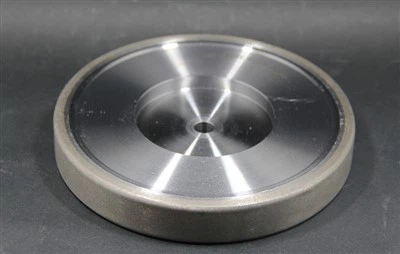
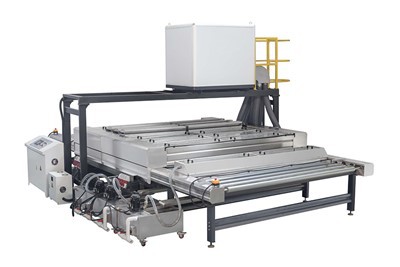
For instance, foreign glass grinding and polishing machines are built with robust frames and high-precision components, which contribute to their stability and accuracy over time. These machines also undergo rigorous testing procedures before leaving the factory to ensure that they meet the specified performance criteria. In comparison, domestic machinery may vary in quality depending on the manufacturer. While there are many domestic companies that produce high-quality equipment, some may cut corners on materials or manufacturing processes to reduce costs, resulting in lower durability and performance.
However, it's important to note that the quality gap between domestic and foreign machinery is narrowing. Domestic manufacturers are increasingly focusing on improving their quality control systems and using better materials, which has led to a significant improvement in the overall quality of their products. As a result, customers now have more options to choose from, and they can find reliable domestic machinery that meets their specific needs.
Price and Cost-Effectiveness
Price is often a major consideration for businesses when purchasing glass processing machinery. Generally, domestic machinery is more affordable than its foreign counterparts. This is due in part to lower production costs, such as labor and raw material expenses, as well as the absence of import duties and shipping costs.
For small and medium-sized enterprises (SMEs) with limited budgets, domestic machinery can be a more cost-effective option. They can acquire the necessary equipment at a lower upfront cost, which allows them to invest in other areas of their business. Additionally, domestic manufacturers often offer more flexible payment terms and after-sales service, which can further reduce the total cost of ownership.
On the other hand, foreign machinery may offer a higher return on investment in the long run. Despite the higher initial cost, the advanced technology, better quality, and longer service life of foreign machines can result in lower operating costs and higher productivity over time. For large-scale manufacturers or those with high-quality requirements, the benefits of investing in foreign machinery may outweigh the higher price.
After-Sales Service
After-sales service is an important aspect of purchasing glass processing machinery. It includes technical support, maintenance, spare parts supply, and training. Foreign manufacturers may have a relatively limited after-sales service network in some regions, which can lead to longer response times and higher costs for maintenance and repairs.
In contrast, domestic manufacturers usually have a more extensive after-sales service network, which allows them to provide faster and more cost-effective support to their customers. They can offer on-site installation, training, and troubleshooting services, ensuring that the machines are up and running smoothly. Additionally, domestic manufacturers can often supply spare parts more quickly, reducing downtime in case of a breakdown.
However, some foreign manufacturers are now expanding their after-sales service capabilities in international markets to address these concerns. They are establishing local service centers, hiring local technicians, and providing online support to ensure that their customers receive prompt and effective service.
Applications and Customization
Foreign glass processing machinery is often designed for a wide range of applications and can handle complex tasks. It is suitable for high-end glass products, such as those used in the automotive, aerospace, and electronics industries. These machines can perform various processing operations, including cutting, grinding, polishing, drilling, and bending, with high precision and quality.

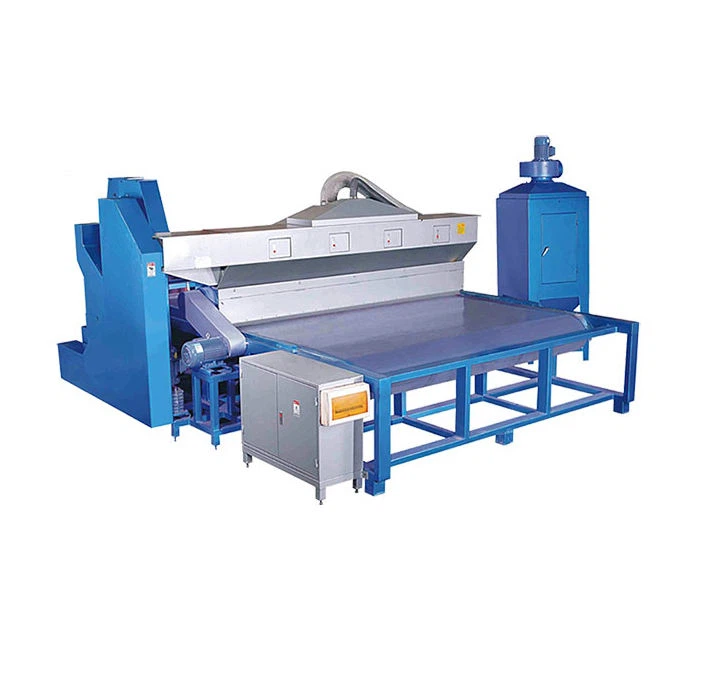
Domestic machinery, on the other hand, is more focused on the domestic market and is often tailored to meet the specific needs of local customers. It is commonly used for mass production of standard glass products, such as architectural glass and household glassware. While domestic machines may not have the same level of versatility as foreign ones, they can be customized to a certain extent to meet the unique requirements of different customers.
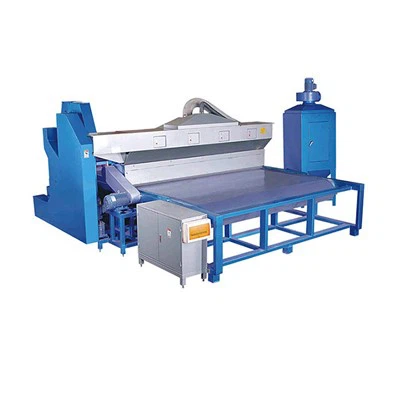
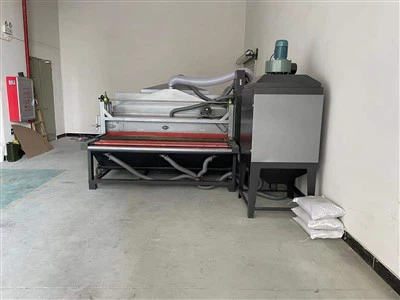
For example, if you are looking for Glass Sandblasting Equipment, you can find both domestic and foreign options. Foreign sandblasting equipment may offer more advanced features and higher precision, but it may also come with a higher price tag. Domestic equipment, on the other hand, can provide a cost-effective solution for basic sandblasting applications. Similarly, Small Sand Blasting Machine and Vertical Glass Sand Blasting Machine are available in various models from different manufacturers, each with its own advantages and suitability for different production scenarios.
Conclusion
In conclusion, there are several differences between domestic and foreign glass processing machinery in terms of technological advancements, quality and durability, price and cost-effectiveness, after-sales service, and applications. When choosing the right machinery for your business, it's important to consider your specific needs, budget, and production requirements.
If you are looking for the latest technology and high-quality products for complex applications, foreign machinery may be the better choice. However, if you are on a tight budget and need cost-effective solutions for standard glass processing, domestic machinery can offer a viable option. In either case, it's recommended to conduct thorough research, compare different products, and consult with industry experts before making a decision.
As a glass processing machinery supplier, we are committed to providing our customers with the best products and services. Whether you are interested in domestic or foreign machinery, we can help you find the right equipment that meets your needs and budget. If you have any questions or would like to discuss your purchasing requirements, please feel free to contact us. We look forward to hearing from you and working together to meet your glass processing needs.
References
- Industry reports on glass processing machinery
- Manufacturer brochures and product specifications
- Interviews with industry experts and customers