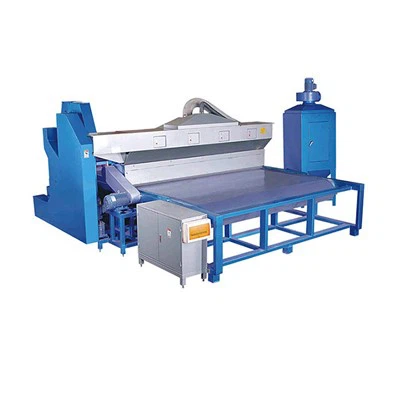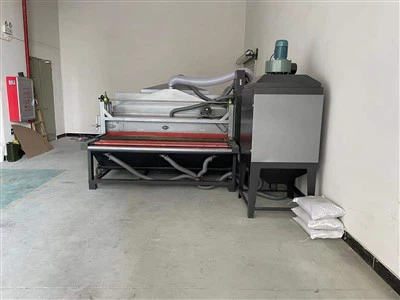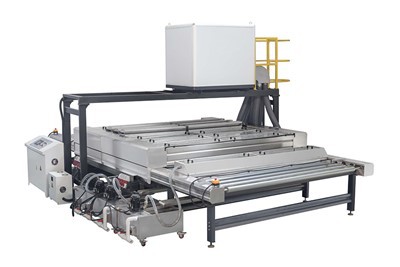
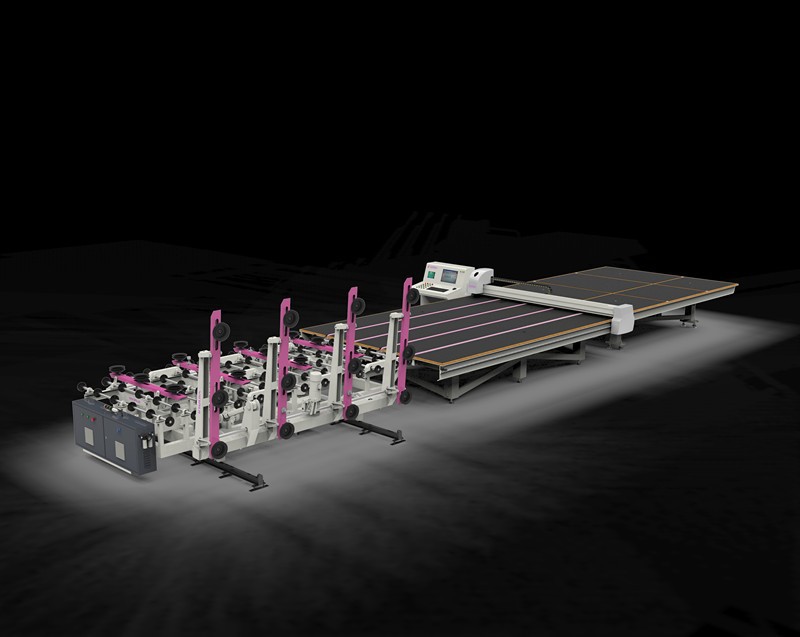
Hey there! As a supplier of Flat Glass Cutting Machines, I've seen my fair share of glass breakage issues during the cutting process. It's a real pain, not just because of the wasted material but also the time and effort lost. So, I thought I'd share some tips on how to prevent glass breakage when using a flat glass cutting machine.
First off, let's talk about the machine itself. A good-quality Flat Glass Cutting Machine is the foundation of a smooth cutting process. Our machines are designed with precision in mind, using the latest technology to ensure a clean and accurate cut every time. But even the best machine needs to be set up correctly.
Machine Setup
The first step in preventing glass breakage is to make sure your flat glass cutting machine is properly calibrated. This means adjusting the cutting pressure, speed, and blade alignment. If the pressure is too high, it can cause the glass to crack or shatter. On the other hand, if the pressure is too low, the cut may not be clean, leading to breakage later on.
The cutting speed also plays a crucial role. Cutting too fast can cause the blade to overheat, which weakens the glass and increases the risk of breakage. Conversely, cutting too slowly can result in a rough cut, which can also lead to breakage. You need to find the sweet spot for your specific type of glass and machine.
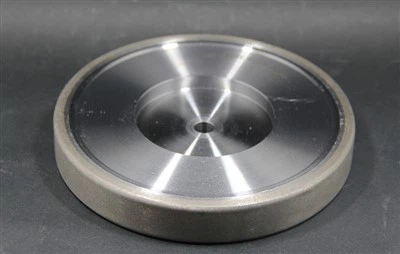
Another important aspect of machine setup is the blade alignment. A misaligned blade can cause uneven pressure on the glass, leading to cracking or chipping. Make sure the blade is perfectly straight and parallel to the cutting path. You can use a precision measuring tool to ensure accuracy.
Glass Preparation
Before you start cutting, it's essential to prepare the glass properly. This includes cleaning the glass surface to remove any dirt, dust, or debris. Even the smallest particle can cause the blade to skip or create a weak point in the glass, increasing the risk of breakage.
Inspect the glass for any cracks, chips, or other defects. These imperfections can make the glass more prone to breakage during cutting. If you find any defects, it's best to discard the glass or use it for a less critical application.
Annealing the glass can also help prevent breakage. Annealing is a process of heating the glass to a specific temperature and then slowly cooling it. This relieves internal stresses in the glass, making it more resistant to breakage. However, annealing requires specialized equipment and knowledge, so it may not be feasible for all applications.
Cutting Technique
Once the machine is set up and the glass is prepared, it's time to start cutting. But how you cut the glass can have a big impact on the risk of breakage.
Use a smooth, continuous motion when cutting. Avoid jerky or sudden movements, as these can cause the blade to skip or put uneven pressure on the glass. Start the cut at the edge of the glass and guide the blade along the cutting path at a steady pace.
If you need to make multiple cuts on the same piece of glass, it's best to make them in a logical sequence. For example, start with the outside cuts and then work your way in. This helps to reduce the stress on the glass and minimize the risk of breakage.
When you reach the end of the cut, don't force the glass to break off. Instead, use a scoring tool to create a small notch at the end of the cut, and then gently apply pressure to break the glass along the score line. This helps to ensure a clean break and reduces the risk of chipping or cracking.
Safety Measures
In addition to the above tips, it's important to take proper safety measures when using a flat glass cutting machine. Wear safety glasses, gloves, and other protective gear to prevent injuries from flying glass shards.
Make sure the work area is clean and free of clutter. A cluttered work area can increase the risk of accidents and make it more difficult to operate the machine safely.
Regularly maintain and inspect your flat glass cutting machine to ensure it's in good working condition. This includes lubricating the moving parts, checking the blade for wear, and replacing any worn or damaged components.
Additional Considerations
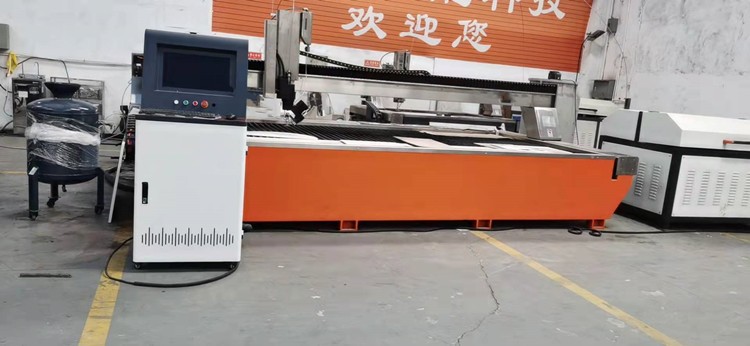
If you're working with thick or specialty glass, you may need to use a different cutting technique or a different type of machine. For example, Water Jet Marble Cutting Machine can be used to cut thick glass with high precision, while CNC Glass Cutting Machine can be programmed to make complex cuts.
It's also a good idea to test cut a small piece of glass before you start cutting the actual piece. This allows you to adjust the machine settings and cutting technique as needed to ensure a clean and accurate cut.
In conclusion, preventing glass breakage during cutting with a flat glass cutting machine requires a combination of proper machine setup, glass preparation, cutting technique, and safety measures. By following these tips, you can minimize the risk of breakage and ensure a smooth and efficient cutting process.
If you're in the market for a flat glass cutting machine or have any questions about our products, feel free to reach out. We're here to help you find the right solution for your needs and ensure you get the most out of your investment.
References
- Glass Cutting Handbook, Various Industry Experts
Here's to a breakage-free glass cutting experience!