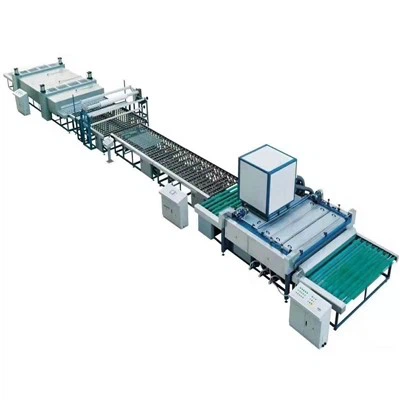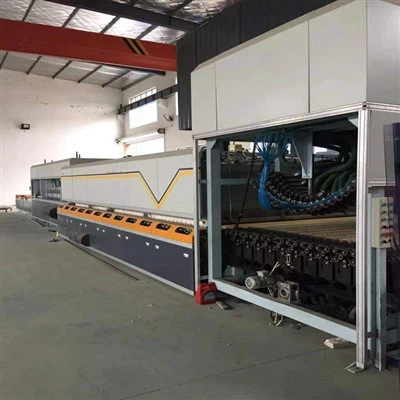
Hey there! As a supplier of glass processing machinery, I've seen firsthand how a bunch of factors can mess with the performance of these machines. In this blog, I'll break down the key things that affect how well glass processing machinery works, so you can make the most out of your equipment.
1. Machine Quality and Design
Let's start with the obvious one: the quality and design of the machine itself. When you're shelling out your hard - earned cash for glass processing machinery, you want something that's built to last. High - quality materials are a must. For example, if a glass cutting machine has a frame made of cheap, flimsy metal, it's going to vibrate and shake during operation. This vibration can lead to inaccurate cuts, which is a huge no - no in the glass processing world.
Good design also means that the machine is easy to operate and maintain. A well - designed glass grinding machine, for instance, will have accessible parts for cleaning and replacement. If the design is poor, operators might struggle to reach certain components, leading to longer maintenance times and more downtime.
As a supplier, we make sure that all our machines, like the Glass Sand Blasting Machine, are built with top - notch materials and user - friendly designs. This way, you can expect consistent performance and fewer headaches down the road.
2. Operator Skill and Training
No matter how great the machine is, if the operator doesn't know what they're doing, the performance is going to suffer. Glass processing requires a certain level of skill. For example, when using a Sand Blaster for Glass Etching, the operator needs to know the right pressure, the correct distance from the glass, and how to move the sandblaster evenly.
Proper training is crucial. A trained operator can optimize the machine's settings for different types of glass and processing tasks. They can also spot early signs of problems and take preventive measures. At our company, we offer training programs for our customers. We believe that an educated operator is the key to getting the best performance out of our glass processing machinery.
3. Maintenance and Upkeep
Regular maintenance is like giving your glass processing machine a health check - up. Just like a car needs an oil change and tune - up, these machines need routine care. For example, the belts on a glass conveyor system need to be checked for wear and tear regularly. If a belt is too loose or too tight, it can affect the movement of the glass, leading to uneven processing.
Lubrication is also important. Moving parts, such as the gears in a glass drilling machine, need to be properly lubricated to reduce friction. Without proper lubrication, these parts can overheat and break down.
In addition to regular maintenance, timely upgrades are also necessary. Technology is always evolving, and new software or hardware upgrades can improve the performance of your machine. We provide maintenance guides and support to our customers, and we also keep them informed about the latest upgrades available for their equipment.
4. Glass Type and Quality
Not all glass is created equal. Different types of glass, such as tempered glass, laminated glass, and float glass, have different properties. These properties can have a big impact on how the glass processing machinery performs.
Tempered glass, for example, is stronger and more resistant to breakage. But it also requires more precise cutting and grinding techniques. If the machine isn't adjusted properly for tempered glass, it can lead to cracks or uneven edges.
The quality of the glass itself also matters. Low - quality glass might have impurities or inconsistencies in thickness. These issues can cause problems during processing, such as uneven sandblasting or inaccurate cutting. As a supplier, we can offer advice on how to adjust the machine settings based on the type and quality of the glass you're using.
5. Environmental Conditions
The environment where the glass processing machinery is located can also affect its performance. Temperature and humidity are two important factors. High temperatures can cause the machine's components to expand, which can lead to misalignments. On the other hand, low temperatures can make some materials more brittle and prone to breakage.
Humidity can also be a problem. Excessive humidity can cause rust and corrosion on metal parts, especially in sandblasting equipment. This can damage the machine and affect its performance. It's important to keep the working environment of the glass processing machinery stable and within the recommended temperature and humidity ranges.
6. Power Supply and Voltage Stability
A stable power supply is essential for the proper functioning of glass processing machinery. Fluctuations in voltage can cause the machine to malfunction. For example, if the voltage drops suddenly, a glass polishing machine might slow down or stop working altogether. This can lead to uneven polishing and wasted time.


To avoid these issues, it's a good idea to use a voltage stabilizer. A voltage stabilizer can regulate the voltage and ensure that the machine receives a consistent power supply. At our company, we always recommend our customers to check their power supply and use appropriate stabilizers if necessary.
7. Tooling and Consumables
The tools and consumables used in glass processing machinery play a significant role in performance. For example, the quality of the sand used in a Glass Sandblasting Equipment can affect the sandblasting results. If the sand is too coarse, it might damage the glass surface. If it's too fine, it might not be effective enough.
The cutting blades and grinding wheels also need to be of high quality. Dull blades or worn - out wheels can lead to poor cutting and grinding performance. We offer a range of high - quality tooling and consumables to ensure that our customers get the best results from their glass processing machinery.
Conclusion
So, there you have it! These are the main factors that can affect the performance of glass processing machinery. As a supplier, we're committed to helping you get the most out of your equipment. Whether it's providing high - quality machines, offering training programs, or giving maintenance advice, we've got your back.
If you're in the market for glass processing machinery or have any questions about improving the performance of your existing equipment, don't hesitate to reach out. We're here to have a chat, answer your queries, and help you find the best solutions for your glass processing needs. Let's work together to make your glass processing operations more efficient and successful!
References
- Industry research on glass processing machinery performance
- In - house technical reports and customer feedback