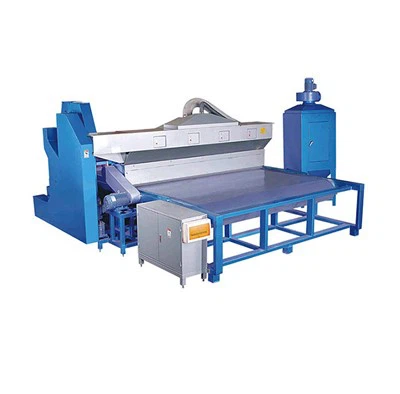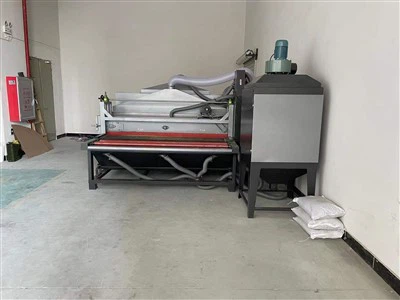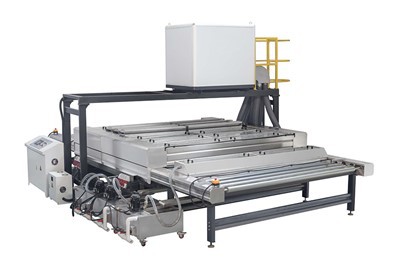
When it comes to glass processing, a glass sandblasting machine plays a crucial role. As a leading Glass Sandblasting Machine supplier, I am delighted to share with you the essential technical parameters of these remarkable machines. Understanding these parameters is vital for anyone looking to invest in a glass sandblasting machine, whether you are a small - scale glass artist or a large - scale glass manufacturing enterprise.
Working Principle
Before delving into the technical parameters, it's important to briefly understand how a glass sandblasting machine works. A glass sandblasting machine uses compressed air to propel abrasive particles at high speed onto the surface of the glass. This process creates a frosted or textured effect on the glass, which is widely used for decorative purposes, privacy applications, and even for surface preparation in some industrial processes.
Abrasive Material Parameters
- Type of Abrasive: Different types of abrasives can be used in a glass sandblasting machine, such as silica sand, aluminum oxide, and glass beads. Silica sand is a common and cost - effective option, suitable for general sandblasting tasks. Aluminum oxide is more durable and is often used for more precise and high - quality sandblasting jobs. Glass beads are used when a smoother finish is required. For more information on glass sandblasting machines, you can visit our Glass Sandblasting Machine page.
- Abrasive Size: The size of the abrasive particles is a critical parameter. Finer abrasives, typically in the range of 60 - 120 mesh, are used for creating a smooth and fine - textured finish on the glass. Coarser abrasives, around 20 - 40 mesh, are used for more aggressive sandblasting, such as removing heavy coatings or creating a more pronounced texture.
Air Pressure and Flow Rate
- Air Pressure: The air pressure in a glass sandblasting machine is usually measured in pounds per square inch (PSI). For most glass sandblasting applications, an air pressure of 60 - 100 PSI is sufficient. Higher air pressure can increase the speed of the sandblasting process but may also cause more aggressive abrasion, which might not be suitable for delicate glass work.
- Air Flow Rate: The air flow rate, measured in cubic feet per minute (CFM), determines the volume of air that is available to propel the abrasive particles. A higher air flow rate ensures a consistent supply of abrasive to the sandblasting nozzle. Generally, a flow rate of 10 - 20 CFM is recommended for small - to medium - sized glass sandblasting machines.
Nozzle Parameters
- Nozzle Material: Nozzles in glass sandblasting machines are typically made of materials such as tungsten carbide or ceramic. Tungsten carbide nozzles are known for their durability and long service life, making them suitable for high - volume sandblasting operations. Ceramic nozzles, on the other hand, are more resistant to wear and can provide a more consistent sandblasting pattern.
- Nozzle Size and Shape: The size and shape of the nozzle have a significant impact on the sandblasting effect. A larger nozzle diameter allows for a wider sandblasting area, while a smaller diameter provides more precision. Common nozzle diameters range from 3mm to 10mm. The shape of the nozzle can also vary, with straight - bore and venturi nozzles being the most common. Venturi nozzles are more efficient in terms of abrasive usage and can provide a more concentrated sandblasting stream.
Machine Size and Capacity
- Working Area: The working area of a glass sandblasting machine refers to the maximum size of the glass that can be sandblasted. Small - scale machines may have a working area of around 200mm x 300mm, while large - scale industrial machines can handle glass sheets up to several meters in length and width.
- Abrasive Hopper Capacity: The abrasive hopper capacity determines how much abrasive material can be stored in the machine at one time. A larger hopper capacity reduces the frequency of refilling the abrasive, which is beneficial for continuous sandblasting operations. Hopper capacities can range from a few kilograms to several hundred kilograms, depending on the size and type of the machine.
Dust Collection System
- Efficiency: A good dust collection system is essential for a glass sandblasting machine. It helps to keep the working environment clean and safe by collecting the dust generated during the sandblasting process. The efficiency of the dust collection system is usually measured by its ability to capture fine dust particles. A high - efficiency dust collection system can capture particles as small as 1 - 5 microns.
- Filter Type: There are different types of filters used in dust collection systems, such as cartridge filters and bag filters. Cartridge filters are more compact and have a higher filtration efficiency, while bag filters are more suitable for handling large volumes of dust.
Control System
- Manual vs. Automatic: Glass sandblasting machines can be either manually operated or automated. Manual machines are more suitable for small - scale and custom - made sandblasting jobs, where the operator has more control over the sandblasting process. Automatic machines, on the other hand, are ideal for high - volume production, as they can perform repetitive sandblasting tasks with high precision and consistency.
- Programmable Features: Some advanced glass sandblasting machines come with programmable features. These features allow the operator to set parameters such as air pressure, sandblasting time, and nozzle movement, which can significantly improve the efficiency and quality of the sandblasting process.
Safety Features
- Protective Enclosure: A glass sandblasting machine should be equipped with a protective enclosure to prevent the abrasive particles and dust from escaping into the working environment. The enclosure also provides a barrier between the operator and the sandblasting process, reducing the risk of injury.
- Emergency Stop Button: An emergency stop button is a must - have safety feature. It allows the operator to immediately stop the sandblasting process in case of an emergency, such as a malfunction or an accident.
Comparison with Other Blasting Machines
When comparing a glass sandblasting machine with other types of blasting machines, such as Grit Blasting Machine and Sand Blasting Glass Machine, there are some key differences. Grit blasting machines are generally more suitable for heavy - duty applications, such as removing rust and coatings from metal surfaces. They often use coarser abrasives and higher air pressures. Sand blasting glass machines, on the other hand, are specifically designed for glass processing and focus on achieving a high - quality finish on the glass surface.


Conclusion
In conclusion, the technical parameters of a glass sandblasting machine are diverse and interrelated. Each parameter plays a crucial role in determining the performance, efficiency, and quality of the sandblasting process. As a Glass Sandblasting Machine supplier, we understand the importance of these parameters and strive to provide machines that meet the specific needs of our customers.
If you are interested in purchasing a glass sandblasting machine or have any questions about the technical parameters, please feel free to contact us. We are more than happy to assist you in finding the right machine for your glass processing requirements.
References
- Smith, J. (2018). Industrial Glass Processing Handbook. Publisher: ABC Publishing.
- Johnson, M. (2020). Sandblasting Technology and Applications. Publisher: XYZ Press.