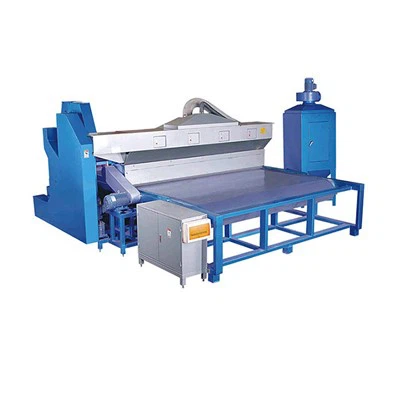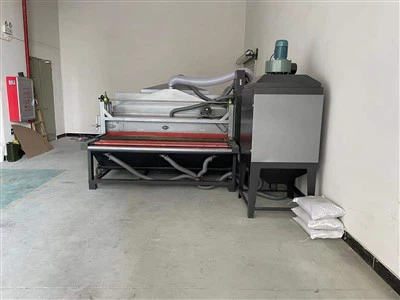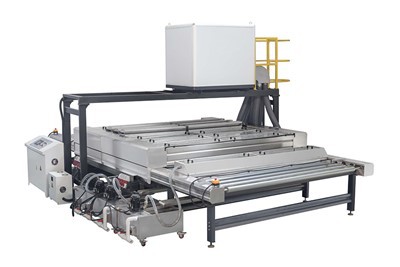
As a reputable supplier of Low - e Glass Washers, I often encounter numerous inquiries from customers regarding the anti - corrosion performance of our machine's shell. This aspect is of utmost significance as it directly impacts the durability, reliability, and overall lifespan of the equipment, which in turn affects the user's long - term cost and satisfaction.


Understanding Corrosion in the Context of Low - e Glass Washers
Corrosion is a natural process that occurs when a metal is exposed to its environment and undergoes a chemical reaction, typically oxidation. In the case of Low - e Glass Washers, the shell is constantly in contact with water, cleaning agents, and sometimes even abrasive particles from the glass. These elements create a harsh environment that can accelerate the corrosion process.
Two primary types of corrosion can affect the shell of a Low - e Glass Washer: chemical corrosion and electrochemical corrosion. Chemical corrosion occurs when the metal reacts directly with the chemical substances in the environment, such as the acidic or alkaline cleaning agents used in the washing process. Electrochemical corrosion, on the other hand, involves the flow of an electric current between different parts of the metal due to the presence of an electrolyte (usually water with dissolved salts or ions), leading to the oxidation of the metal.
Factors Affecting the Anti - corrosion Performance of Low - e Glass Washer Shells
Material Selection
The choice of material for the shell is the most fundamental factor influencing its anti - corrosion performance. At our company, we primarily use high - quality stainless steel for the shells of our Low - e Glass Washers. Stainless steel contains chromium, which forms a passive oxide layer on the surface of the metal. This layer acts as a protective barrier, preventing further oxidation and corrosion. The higher the chromium content, the better the anti - corrosion properties. Additionally, some of our models may incorporate other alloying elements such as nickel, which can enhance the overall corrosion resistance, especially in more aggressive environments.
Surface Treatment
In addition to using corrosion - resistant materials, we also apply advanced surface treatment processes to further improve the anti - corrosion performance. One common treatment is the application of a protective coating. This coating can act as an additional barrier between the metal and the corrosive environment. For example, we may use epoxy coatings, which have excellent chemical resistance and can effectively prevent the penetration of water and chemicals. Another surface treatment method is passivation, which involves treating the stainless steel surface with an acid solution to remove any free iron particles and enhance the formation of the passive oxide layer.
Design Considerations
The design of the Low - e Glass Washer shell also plays a crucial role in its anti - corrosion performance. A well - designed shell should minimize the accumulation of water and cleaning agents, as stagnant liquids can increase the likelihood of corrosion. We ensure that the shell has proper drainage channels and slopes to allow water to flow out easily. Additionally, we avoid creating crevices and sharp corners where water and debris can collect, as these areas are more prone to corrosion due to the concentration of corrosive substances.
Assessing the Anti - corrosion Performance of Our Low - e Glass Washers
To ensure that our Low - e Glass Washers meet the highest standards of anti - corrosion performance, we conduct a series of rigorous tests. One of the most common tests is the salt spray test. In this test, the shell samples are placed in a chamber and exposed to a fine mist of saltwater for a specified period. The appearance of the samples is then evaluated periodically to check for signs of corrosion, such as rust spots or blistering.
We also conduct immersion tests, where the samples are immersed in solutions containing different concentrations of cleaning agents. This test simulates the actual operating conditions of the Low - e Glass Washer and helps us determine the long - term corrosion resistance of the shell.
Real - world Performance and Customer Feedback
Over the years, our Low - e Glass Washers have demonstrated excellent anti - corrosion performance in real - world applications. Many of our customers have reported that the shells of our machines remain in good condition even after years of continuous use. For example, a large glass manufacturing plant has been using our Vertical Glass Washing Machine for over five years. They were initially concerned about the corrosion of the shell due to the high - volume production and the use of strong cleaning agents. However, after regular inspections, they found that there was only minimal surface corrosion, and the machine was still operating smoothly.
Another customer, a small - scale window glass production factory, switched to our High Speed Glass Washing Machine. They were impressed by the anti - corrosion performance of the shell, especially considering the harsh environment created by the high - speed operation and the recycled water they used. The corrosion - resistant shell has significantly reduced their maintenance costs and increased the uptime of the equipment.
The Significance of Anti - corrosion Performance for the Low - e Glass Washing Industry
In the Low - e Glass washing industry, the anti - corrosion performance of the machine's shell is not just about aesthetics or durability. It also has a direct impact on the quality of the glass products. A corroded shell can contaminate the water and cleaning agents, which may leave residues or stains on the glass surface. This can lead to a decrease in the optical properties of the Low - e glass, such as its clarity and reflectivity.
Moreover, a well - maintained shell with good anti - corrosion performance can enhance the overall safety of the equipment. Corrosion can weaken the structure of the shell, increasing the risk of mechanical failures and potential hazards to the operators.
Conclusion and Call to Action
In conclusion, the anti - corrosion performance of a Low - e Glass Washer's shell is a critical aspect that should not be overlooked. Our company, as a dedicated supplier of Low - e Glass Washers, is committed to providing high - quality products with excellent anti - corrosion performance. We use the best materials, advanced surface treatment processes, and smart design concepts to ensure that our machines can withstand the toughest operating conditions.
If you are in the market for a reliable Low - e Glass Washer, whether it's a Vertical Glass Washing Machine, a High Speed Glass Washing Machine, or a Horizontal Glass Washing and Drying Machine, we invite you to contact us for more information and procurement discussions. We look forward to the opportunity to serve you and contribute to the success of your glass production business.
References
- Jones, D. A. (1996). Principles and Prevention of Corrosion. Prentice - Hall.
- Uhlig, H. H., & Revie, R. W. (1985). Corrosion and Corrosion Control: An Introduction to Corrosion Science and Engineering. Wiley.
- Fontana, M. G. (1986). Corrosion Engineering. McGraw - Hill.