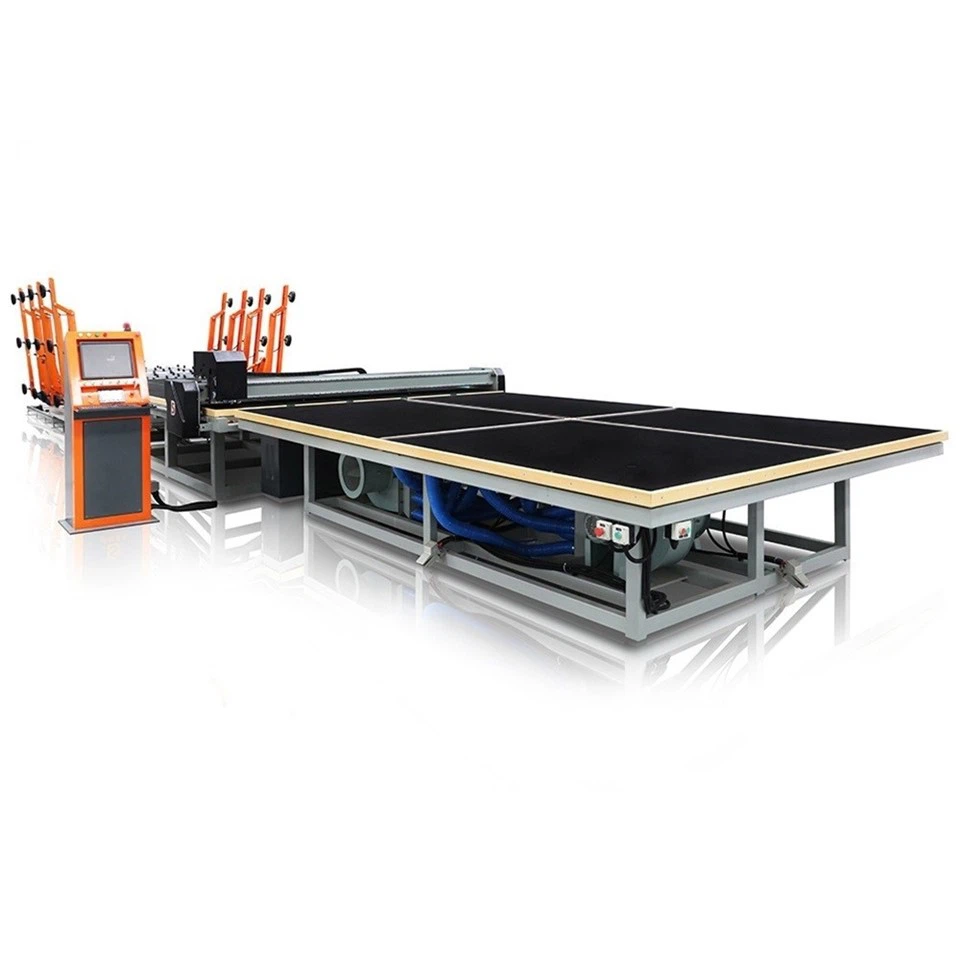
As a supplier of CNC glass cutting machines, I've seen firsthand how corrosion can mess up the components of these high - tech machines. In this blog, I'll break down what anti - corrosion treatment of the components in a CNC glass cutting machine is all about.
First off, let's understand why anti - corrosion treatment is so crucial. CNC glass cutting machines work in various environments, and some of them can be pretty harsh. For example, in a factory where there's high humidity, or if the glass is being cut with the help of some chemicals, the machine components are at risk of corrosion. Corrosion can lead to a whole bunch of problems. It can cause the moving parts to wear out faster, reduce the precision of the cutting, and even lead to complete component failure. And when a component fails, it means downtime for the machine, which is a big no - no for any business that relies on these machines for production.
Now, let's talk about the different components in a CNC glass cutting machine that need anti - corrosion treatment.
1. Cutting Tools
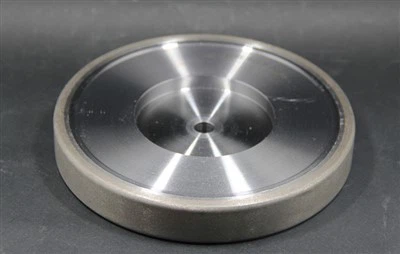
The cutting tools are the heart of the CNC glass cutting machine. They come in direct contact with the glass, and sometimes, they might also be exposed to coolants or lubricants that could potentially cause corrosion. For instance, diamond - tipped cutting wheels are commonly used in these machines. To protect them, a thin layer of anti - corrosion coating can be applied. This coating acts as a barrier between the tool and the corrosive agents. There are different types of coatings available, like ceramic - based coatings. These coatings not only prevent corrosion but also enhance the hardness and wear resistance of the cutting tools. You can check out our Flat Glass Cutting Machine which uses high - quality, corrosion - resistant cutting tools.
2. Guide Rails and Linear Bearings
Guide rails and linear bearings are responsible for the smooth movement of the cutting head and other moving parts in the machine. They need to be extremely precise, and any corrosion can throw off their accuracy. To prevent this, they are often made from stainless steel, which is inherently more resistant to corrosion than regular steel. Additionally, a lubricant with anti - corrosion properties is used. This lubricant not only reduces friction but also forms a protective film on the surface of the guide rails and bearings. If you're looking for a machine with top - notch guide rails and bearings, our Fully Automatic Glass Cutting Production Line is a great option.
3. Electrical Components
Electrical components in a CNC glass cutting machine, such as motors, controllers, and sensors, are also vulnerable to corrosion. Moisture can cause short - circuits and damage the delicate electronic circuits. To protect these components, they are often enclosed in sealed enclosures. These enclosures are designed to keep out dust, moisture, and other corrosive agents. Sometimes, a desiccant is also placed inside the enclosure to absorb any moisture that might get in. In some advanced machines, like our High Pressure Water Jet Cutting Machine, the electrical components are further protected by a special conformal coating. This coating is applied to the printed circuit boards and provides an extra layer of protection against corrosion.

Anti - Corrosion Treatment Methods
Coating
As mentioned earlier, coating is one of the most common anti - corrosion treatment methods. There are different types of coatings available, depending on the component and the environment it will be exposed to. For metal components, a zinc - based coating can be used. Zinc is a sacrificial metal, which means it corrodes before the base metal. This helps to protect the underlying metal from corrosion. Another type of coating is powder coating. Powder coating is a dry finishing process that provides a durable and attractive finish. It is also resistant to chipping, scratching, and corrosion.
Galvanization
Galvanization is a process where a layer of zinc is applied to the surface of a metal component. This can be done through hot - dip galvanizing or electro - galvanizing. Hot - dip galvanizing involves dipping the component into a bath of molten zinc. This creates a thick and durable zinc layer that provides long - term corrosion protection. Electro - galvanizing, on the other hand, uses an electric current to deposit a thin layer of zinc on the component. It is a more precise method and is often used for smaller components.
Passivation
Passivation is a chemical treatment that is used to remove free iron from the surface of stainless steel components. Free iron can cause corrosion, so by removing it, the corrosion resistance of the stainless steel is improved. Passivation involves immersing the component in a solution of nitric acid or citric acid. This creates a passive oxide layer on the surface of the stainless steel, which protects it from corrosion.
Maintenance and Inspection
Anti - corrosion treatment is not a one - time thing. Regular maintenance and inspection are essential to ensure that the components remain corrosion - free. Here are some tips for maintenance and inspection:
- Cleaning: Regularly clean the machine components to remove any dirt, dust, or debris. This can prevent the accumulation of corrosive agents on the surface of the components.
- Lubrication: Check the lubricant levels regularly and replace the lubricant as needed. Make sure to use a lubricant with anti - corrosion properties.
- Visual Inspection: Conduct visual inspections of the components on a regular basis. Look for any signs of corrosion, such as rust spots or discoloration. If you notice any signs of corrosion, take immediate action to address the problem.
- Environmental Control: Try to control the environment in which the machine is operating. Keep the humidity levels in check and avoid exposing the machine to harsh chemicals or corrosive gases.
In conclusion, anti - corrosion treatment of the components in a CNC glass cutting machine is essential for ensuring the longevity and performance of the machine. By using the right anti - corrosion treatment methods and following proper maintenance and inspection procedures, you can keep your machine running smoothly for years to come.
If you're in the market for a high - quality CNC glass cutting machine or have any questions about anti - corrosion treatment, feel free to reach out to us for a purchase consultation. We're here to help you find the best solution for your glass cutting needs.
References
- ASM Handbook Volume 13A: Corrosion: Fundamentals, Testing, and Protection
- Machinery's Handbook, 31st Edition