In the realm of machining and manufacturing, the choice of cutting tools significantly impacts the efficiency, quality, and cost of production. Among the various types of cutters available in the market, CNC diamond milling cutters have emerged as a game - changer. As a supplier of Cnc Diamond Milling Cutter, I am well - versed in the capabilities of these tools and how they stack up against other types of cutters in terms of cutting efficiency.
Understanding Cutting Efficiency
Cutting efficiency can be defined as the ability of a cutter to remove material at a high rate while maintaining a good surface finish, minimizing tool wear, and consuming less energy. It is a multi - faceted concept that takes into account factors such as cutting speed, feed rate, depth of cut, and the quality of the cut surface. A more efficient cutter can reduce production time, lower costs, and improve the overall quality of the machined parts.
CNC Diamond Milling Cutters: A Powerhouse of Efficiency
CNC diamond milling cutters are made with diamond particles, which are the hardest known material. This hardness gives them several advantages over other types of cutters.
High Cutting Speed
Diamond's exceptional hardness allows CNC diamond milling cutters to operate at much higher cutting speeds compared to traditional cutters. For example, when machining hard materials like ceramics, carbide, or glass, a CNC diamond milling cutter can cut at speeds that are several times faster than a high - speed steel (HSS) cutter. This high cutting speed translates into shorter machining times, enabling manufacturers to increase their production output significantly.
Superior Wear Resistance
Tool wear is a major concern in machining operations. When a cutter wears out quickly, it needs to be replaced frequently, which leads to increased costs and downtime. CNC diamond milling cutters have excellent wear resistance due to the hardness of diamond. They can maintain their cutting edge for a long time, even when machining abrasive materials. This means fewer tool changes, reduced tooling costs, and more consistent machining quality over an extended period.
Precision Cutting
In applications where precision is crucial, such as in the production of electronic components or optical lenses, CNC diamond milling cutters shine. The sharp and stable cutting edge of diamond ensures accurate and repeatable cuts. The ability to achieve tight tolerances and fine surface finishes makes them ideal for high - precision machining tasks.
Comparison with Other Types of Cutters
High - Speed Steel (HSS) Cutters
HSS cutters have been a staple in the machining industry for a long time. They are relatively inexpensive and easy to manufacture. However, in terms of cutting efficiency, they lag behind CNC diamond milling cutters.
HSS cutters have a lower cutting speed limit because they are not as hard as diamond. When machining hard materials, the cutting speed of HSS cutters needs to be reduced to avoid excessive tool wear. This results in longer machining times. Additionally, HSS cutters wear out more quickly, especially when dealing with abrasive materials. For instance, when milling glass, an HSS cutter may lose its cutting edge within a few minutes, while a CNC diamond milling cutter can last for hours or even days of continuous use.
Carbide Cutters
Carbide cutters are harder than HSS cutters and are widely used in machining operations. They offer better wear resistance and higher cutting speeds compared to HSS cutters. However, they still fall short when compared to CNC diamond milling cutters.
Carbide cutters can be used for a variety of materials, but when it comes to machining extremely hard and abrasive materials like diamond - like carbon (DLC) coatings or some advanced ceramics, their performance is limited. The cutting edges of carbide cutters may chip or wear out relatively quickly under high - stress cutting conditions. In contrast, CNC diamond milling cutters can handle these difficult - to - machine materials with ease, maintaining their cutting performance and precision.
Peripheral Grinding Wheel
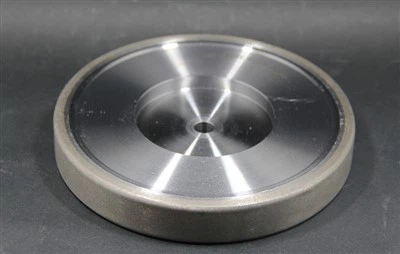
Peripheral grinding wheels are commonly used for grinding operations, especially in the glass and ceramic industries. While they are effective for removing material and achieving a smooth surface finish, they have some limitations in terms of cutting efficiency compared to CNC diamond milling cutters.
Grinding wheels typically have a lower material removal rate compared to milling cutters. The grinding process is more of a slow and continuous abrasion, while milling is a more aggressive cutting action. CNC diamond milling cutters can remove material in larger chunks at a faster pace, which is advantageous when dealing with high - volume production. Additionally, the precision and flexibility of CNC diamond milling cutters are often better than those of peripheral grinding wheels, especially in complex machining tasks.
Applications and Case Studies
Let's look at some real - world applications to further illustrate the cutting efficiency of CNC diamond milling cutters.


Glass Machining
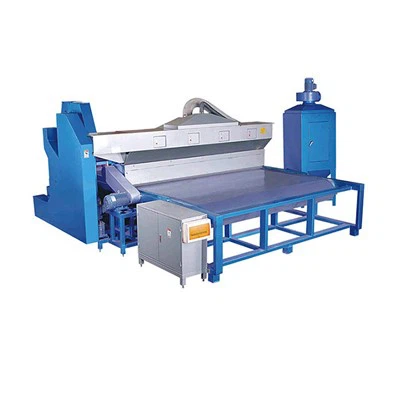
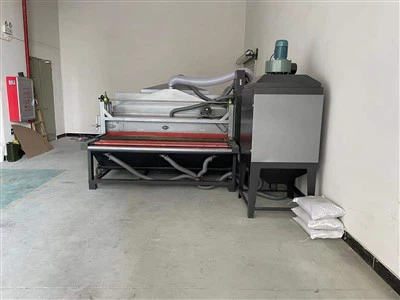
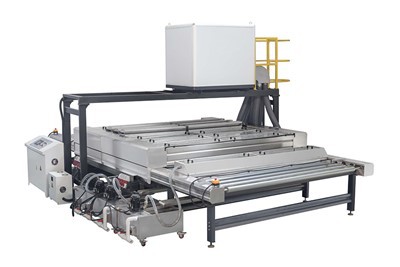
In the production of smartphone screens and other glass products, Glass Grinding Machine for Lphone Glass often use CNC diamond milling cutters. Glass is a hard and brittle material that requires precise machining. CNC diamond milling cutters can cut glass at high speeds while maintaining a smooth surface finish and tight tolerances. A case study of a glass manufacturing company showed that by switching from traditional HSS cutters to CNC diamond milling cutters, they were able to reduce the machining time per glass panel by 50% and improve the surface quality, resulting in fewer rejects.
Aerospace Industry
In the aerospace industry, where high - strength and lightweight materials like titanium alloys are commonly used, CNC diamond milling cutters offer significant advantages. These cutters can machine titanium alloys at high speeds without excessive tool wear, which is crucial for reducing production costs and meeting tight deadlines. The ability to achieve precise cuts also ensures the quality and performance of aerospace components.
Conclusion and Call to Action
In conclusion, CNC diamond milling cutters offer superior cutting efficiency compared to other types of cutters in many machining applications. Their high cutting speed, excellent wear resistance, and precision cutting capabilities make them a valuable asset for manufacturers looking to improve productivity, reduce costs, and enhance the quality of their products.
If you are in the market for a cutting tool that can take your machining operations to the next level, I encourage you to consider CNC diamond milling cutters. As a supplier, I am committed to providing high - quality CNC diamond milling cutters that meet your specific requirements. Whether you are in the electronics, automotive, aerospace, or any other industry that requires precision machining, our products can help you achieve better results. Contact us to start a discussion about your needs and explore how our CNC diamond milling cutters can benefit your business.
References
- Kalpakjian, S., & Schmid, S. R. (2009). Manufacturing Engineering and Technology. Pearson Prentice Hall.
- Trampert, R. (2012). Tool and Manufacturing Engineers Handbook, Volume 4: Cutting Technology. Society of Manufacturing Engineers.