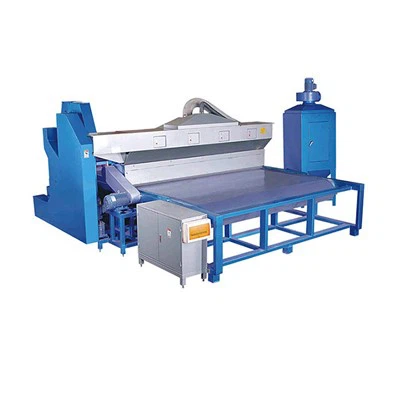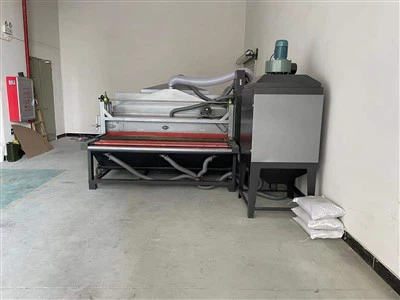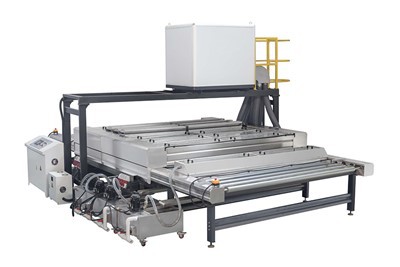
Hey there! As a supplier of Glass Sandblasting Machine, I've seen firsthand how the quality of sand can make or break the performance of a glass sandblasting machine. In this blog, I'll share my insights on the impact of sand quality on the machine's performance, and why it's crucial to choose the right sand for your needs.
Particle Size and Shape
One of the most important factors in sand quality is particle size and shape. The size of the sand particles determines the level of abrasion and the finish you'll achieve on the glass. Generally, finer sand particles create a smoother finish, while coarser particles result in a more textured surface.
For example, if you're looking to create a frosted glass effect, you'll want to use a finer sand, such as 100 - 200 mesh. This will give you a smooth, even finish. On the other hand, if you're aiming for a more rustic or textured look, a coarser sand, like 40 - 60 mesh, would be a better choice.
The shape of the sand particles also matters. Angular particles tend to be more aggressive and can remove material faster, but they may also cause more damage to the glass surface. Rounded particles, on the other hand, are gentler and can provide a more consistent finish.
Hardness and Durability
The hardness of the sand is another key factor. Harder sands, like silicon carbide or aluminum oxide, are more durable and can withstand multiple uses. They're also more effective at removing tough stains and coatings from the glass. However, they can be more expensive than softer sands.
Softer sands, such as silica sand, are more affordable but may wear out more quickly. They're suitable for light - duty sandblasting jobs, like removing light dirt or creating a subtle finish on the glass.
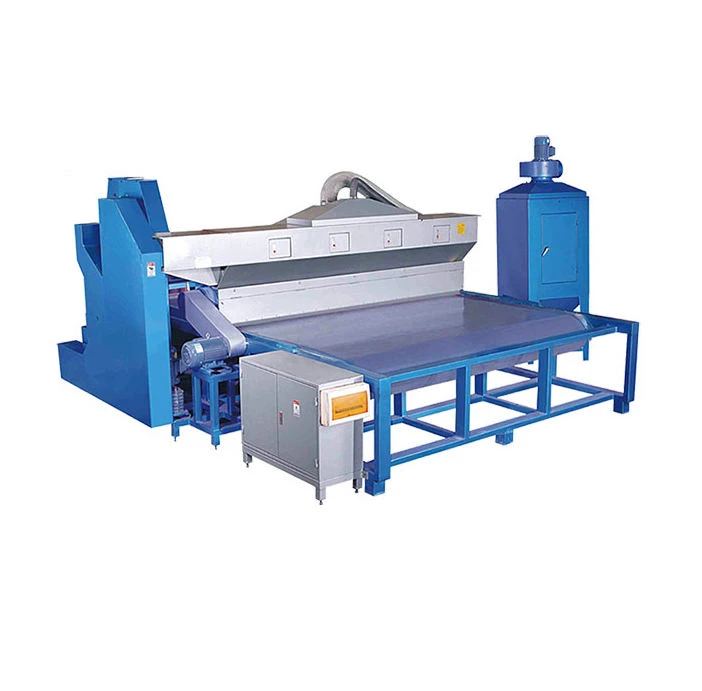
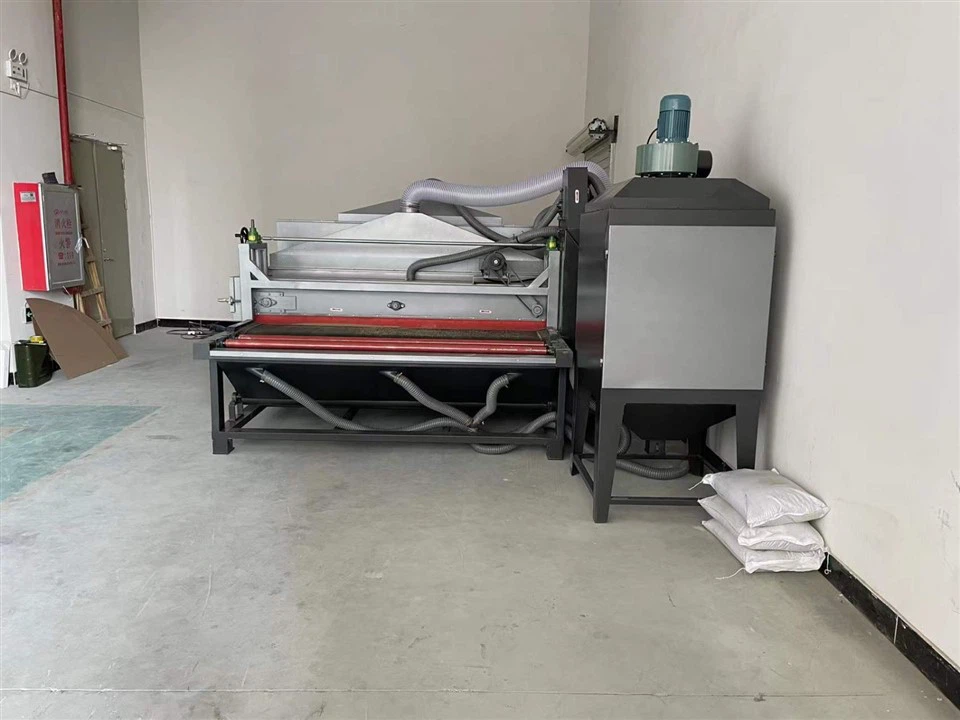
Durability is closely related to hardness. A durable sand will maintain its shape and size throughout the sandblasting process, ensuring consistent performance. If the sand breaks down too quickly, it can clog the sandblasting machine's nozzles and hoses, leading to reduced efficiency and increased maintenance costs.
Purity
The purity of the sand is often overlooked but is extremely important. Impurities in the sand can cause a variety of problems. For instance, if the sand contains iron particles, it can leave rust stains on the glass surface. Other impurities, like clay or dust, can clog the machine and affect the quality of the sandblasting.
High - purity sands are more expensive, but they offer better results and fewer headaches. They ensure a clean, consistent finish on the glass and reduce the risk of machine malfunctions.
Impact on Machine Performance
Now, let's talk about how these sand quality factors impact the performance of a glass sandblasting machine.
Efficiency
High - quality sand can significantly improve the efficiency of the sandblasting process. Hard, durable, and well - sized sand particles can remove material from the glass surface more quickly, reducing the time required for each job. This means you can take on more projects and increase your productivity.
On the other hand, low - quality sand can slow down the process. If the sand is too soft or has a lot of impurities, it may need to be replaced more frequently, and the machine may not operate at its full capacity.
Maintenance
The quality of the sand also affects the maintenance requirements of the sandblasting machine. Using high - purity sand reduces the risk of clogging in the nozzles, hoses, and other components of the machine. This means less downtime for cleaning and repairs, saving you both time and money.
In contrast, low - quality sand with impurities can cause blockages, which may require disassembling the machine for cleaning. Over time, this can lead to premature wear and tear on the machine's parts.
Finish Quality
As mentioned earlier, the particle size, shape, and purity of the sand all contribute to the finish quality of the glass. High - quality sand can create a smooth, even, and consistent finish, which is essential for high - end glass products.
If you use low - quality sand, you may end up with an uneven or rough finish, which can be a major problem, especially if you're working on projects that require a high level of precision and aesthetics.
Choosing the Right Sand
When choosing sand for your glass sandblasting machine, it's important to consider the specific requirements of your projects. If you're working on large - scale commercial projects where speed and efficiency are key, you may want to invest in high - quality, hard, and durable sand.
For smaller, more delicate projects, a softer, finer sand may be more appropriate. You should also consider the cost - effectiveness of the sand. While high - quality sand may be more expensive upfront, it can save you money in the long run by reducing maintenance costs and improving productivity.
Conclusion
In conclusion, the quality of the sand has a profound impact on the performance of a glass sandblasting machine. From efficiency and maintenance to finish quality, every aspect of the sandblasting process is affected by the sand you choose.
As a supplier of Glass Sandblasting Equipment and Grit Blasting Machine, I highly recommend that you pay close attention to the sand quality. By choosing the right sand for your needs, you can ensure that your glass sandblasting machine operates at its best and that you achieve the highest - quality results for your projects.
If you're interested in learning more about our glass sandblasting machines or need advice on choosing the right sand, don't hesitate to reach out. We're here to help you make the most of your sandblasting operations.
References
- "Sandblasting Handbook", Industrial Sand Association
- "Advanced Glass Processing Techniques", Glass Technology Institute