As a supplier of flat glass cutting machines, I understand the importance of proper operation training for these sophisticated pieces of equipment. In this blog post, I will delve into the operation training requirements for a flat glass cutting machine, highlighting the key aspects that operators need to master to ensure efficient and safe operation.
Understanding the Machine
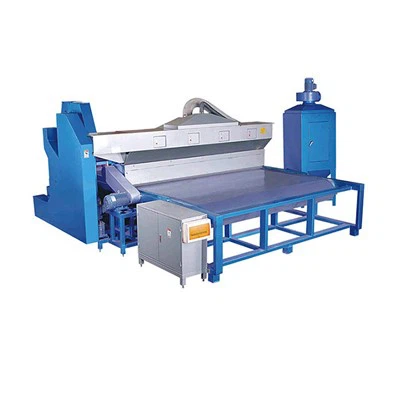
Before any hands - on training, operators should have a comprehensive understanding of the flat glass cutting machine's components and functions. This includes familiarizing themselves with the control panel, which is the nerve - center of the machine. The control panel typically houses various buttons, switches, and a touch - screen interface that allows operators to input cutting parameters such as dimensions, shapes, and cutting speeds.
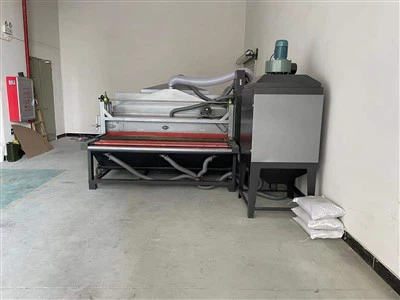
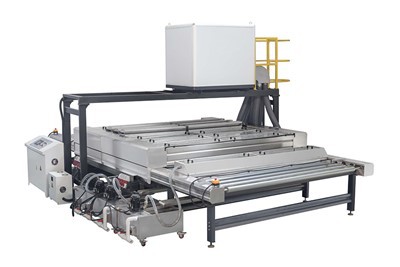
Operators should also learn about the mechanical parts of the machine, such as the cutting head, conveyor belts, and support structures. The cutting head is responsible for making precise cuts on the glass, and understanding its movement mechanisms, including linear and rotational movements, is crucial. The conveyor belts transport the glass through the cutting area, and operators need to know how to adjust their speed and alignment to ensure smooth glass movement.
Safety Training
Safety is of utmost importance when operating a flat glass cutting machine. Operators must be trained to follow strict safety protocols to prevent accidents and injuries. First and foremost, they should wear appropriate personal protective equipment (PPE), such as safety glasses, gloves, and ear protection. Safety glasses protect the eyes from flying glass shards, while gloves prevent cuts and abrasions. Ear protection is necessary as the machine can generate significant noise during operation.
Operators should also be trained on how to handle glass safely. Glass is a fragile material, and improper handling can lead to breakage and potential injuries. They need to know how to lift and position the glass on the machine's work surface without causing any damage. Additionally, operators must be aware of the emergency stop buttons on the machine and know how to use them in case of an emergency.
Programming and Parameter Setting
Modern flat glass cutting machines are often equipped with advanced software that allows for precise programming of cutting patterns. Operators need to be trained in using this software to create and edit cutting programs. They should understand how to input the dimensions and shapes of the glass pieces they want to cut, as well as how to set the appropriate cutting parameters.
Cutting parameters include cutting speed, pressure, and blade type. The cutting speed determines how fast the cutting head moves across the glass, and it needs to be adjusted based on the thickness and type of glass. Pressure is another important parameter, as too much pressure can cause the glass to break, while too little pressure may result in an incomplete cut. Different blade types are suitable for different types of glass, and operators need to know which blade to use for a particular job.
Machine Maintenance and Troubleshooting
Proper machine maintenance is essential for the longevity and efficient operation of a flat glass cutting machine. Operators should be trained on basic maintenance tasks, such as cleaning the machine regularly, lubricating moving parts, and checking for loose connections. Regular cleaning helps to prevent the accumulation of glass dust and debris, which can affect the machine's performance.
In addition to maintenance, operators should also be able to troubleshoot common problems that may occur during operation. For example, if the cutting quality is poor, they should be able to identify possible causes, such as a dull blade or incorrect cutting parameters. They should also know how to perform basic adjustments to the machine to correct these issues. If a more complex problem arises, they should know when to contact the technical support team.
Hands - on Training
Hands - on training is the most effective way for operators to learn how to operate a flat glass cutting machine. During hands - on training, operators get the opportunity to practice all the skills they have learned in a real - world setting. They can start by making simple cuts on small pieces of glass and gradually progress to more complex cutting patterns.
Our company provides hands - on training sessions at our facilities, where operators can work directly with our experienced technicians. These technicians will guide them through every step of the operation process, from loading the glass onto the machine to unloading the finished pieces. They will also provide feedback and tips to help operators improve their skills.
Continuous Training and Skill Development
The field of glass cutting technology is constantly evolving, and operators need to keep up with the latest advancements. Continuous training and skill development are essential to ensure that operators can use the machine to its full potential. Our company offers regular training updates to our customers, which cover new features and improvements to the machine's software and hardware.
We also encourage operators to participate in industry seminars and workshops, where they can learn from other experts in the field. By staying informed about the latest trends and technologies, operators can improve their efficiency and productivity, which ultimately benefits the entire business.
Conclusion
In conclusion, the operation training requirements for a flat glass cutting machine are comprehensive and cover various aspects, including machine understanding, safety, programming, maintenance, and hands - on skills. As a supplier, we are committed to providing our customers with high - quality training to ensure that their operators can operate the machines safely and efficiently.
If you are interested in our High Quality Water Jet Machine, Water Jet Marble Cutting Machine or CNC Glass Cutting Machine, and would like to discuss your specific requirements, please feel free to contact us. We are ready to assist you in finding the best solution for your glass cutting needs.


References
- Glass Cutting Technology Handbook
- Safety Guidelines for Industrial Glass Cutting Machines
- Manufacturer's Manual for Flat Glass Cutting Machines