In the glass manufacturing industry, the efficiency of glass laminating equipment is a crucial factor that directly affects production capacity and cost - effectiveness. One of the key variables influencing this efficiency is the laminating speed. As a supplier of [leave the real company name blank] Glass Laminating Equipment, I will delve into the impact of laminating speed on the production efficiency of glass laminating equipment.
Understanding Glass Laminating Equipment
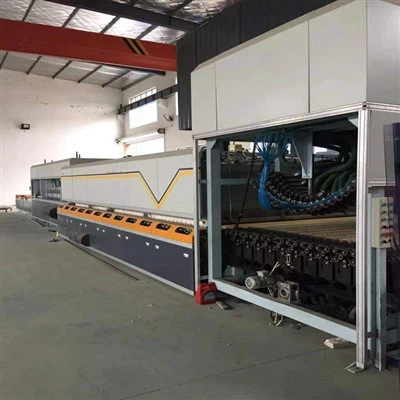
Before discussing the impact of laminating speed, it is essential to understand the basic working principle of glass laminating equipment. Glass laminating is the process of bonding two or more layers of glass together with an interlayer, usually a polyvinyl butyral (PVB) or ethylene - vinyl acetate (EVA) film. The equipment typically consists of several components, including a pre - pressing unit, an autoclave, and a control system. The pre - pressing unit removes most of the air between the glass layers and the interlayer, while the autoclave applies heat and pressure to fully bond the layers together.
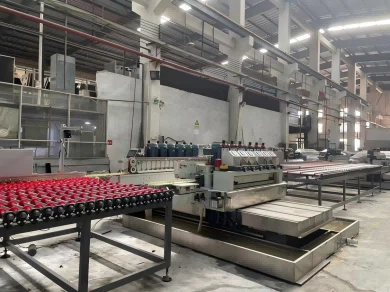
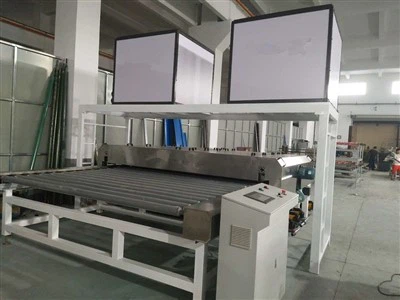
Our Glass Laminating Equipment is designed to provide high - quality laminating results. It is equipped with advanced technology to ensure precise control of the laminating process, from the alignment of the glass layers to the application of heat and pressure.
The Role of Laminating Speed
Laminating speed refers to the rate at which the glass laminating equipment can process a given number of glass sheets. It is usually measured in terms of the number of glass units processed per hour or per day. The laminating speed has a direct impact on the production efficiency of the equipment, which can be analyzed from the following aspects:
1. Production Volume
The most obvious impact of laminating speed on production efficiency is the production volume. A higher laminating speed means that more glass units can be processed within a given time frame. For example, if a glass laminating machine can process 10 glass units per hour at a certain speed, increasing the speed to 15 units per hour will significantly boost the daily production volume. This is particularly important for large - scale glass manufacturing plants that need to meet high - volume orders.
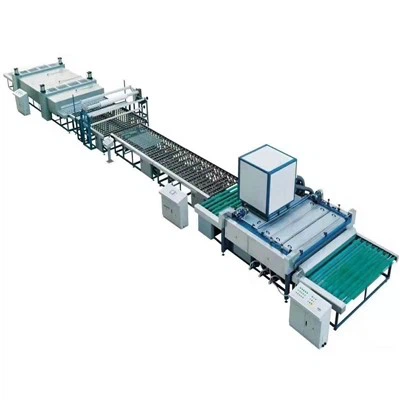
Our Automatic Laminated Glass Production Line is capable of high - speed laminating, which can greatly increase the production volume. With its advanced automation technology, it can handle a large number of glass sheets continuously, reducing the time required for manual intervention and increasing the overall production efficiency.
2. Labor Productivity
Laminating speed also affects labor productivity. When the laminating speed is high, workers can handle more glass units in the same amount of time. This means that fewer workers are needed to achieve the same production volume, or the existing workers can be more efficiently utilized. For instance, in a glass laminating plant, if the laminating speed is low, workers may have to wait for a long time between each batch of glass processing. By increasing the laminating speed, the idle time of workers can be reduced, and they can focus on other value - added tasks such as quality control and equipment maintenance.
3. Cost - effectiveness
The production cost is closely related to the laminating speed. Higher laminating speed can lead to lower production costs per unit. This is because fixed costs such as equipment depreciation, energy consumption, and labor costs can be spread over a larger number of products. For example, if the cost of operating a glass laminating machine for an hour is $100, and it can process 10 glass units per hour, the cost per unit is $10. If the laminating speed is increased to 20 units per hour, the cost per unit will be reduced to $5.
Our Glass Lamination Production Line is designed with cost - effectiveness in mind. It uses advanced energy - saving technology and efficient production processes to minimize the production cost while maintaining high - quality laminating results.
Factors Affecting Laminating Speed
However, increasing the laminating speed is not always straightforward. There are several factors that need to be considered:
1. Equipment Capacity
The physical capacity of the glass laminating equipment is a limiting factor for laminating speed. Each piece of equipment has a maximum speed at which it can operate safely and effectively. Exceeding this speed may lead to mechanical failures, poor laminating quality, or even damage to the equipment. Therefore, it is important to choose the right equipment that can meet the required production speed.
2. Glass Type and Thickness
Different types of glass and different thicknesses require different laminating parameters. For example, thicker glass may need more time for heating and pressing to ensure a good bond. If the laminating speed is too high, the glass may not be fully laminated, resulting in delamination or other quality issues. Therefore, the laminating speed needs to be adjusted according to the specific characteristics of the glass.
3. Interlayer Material
The type of interlayer material also affects the laminating speed. Different interlayer materials have different melting points and bonding properties. For example, PVB film has different requirements for heat and pressure compared to EVA film. The laminating speed needs to be optimized to ensure that the interlayer material can be properly melted and bonded to the glass layers.
Balancing Laminating Speed and Quality
While increasing the laminating speed can improve production efficiency, it is also important to maintain the quality of the laminated glass. High - speed laminating may lead to quality problems such as air bubbles, delamination, or uneven bonding. Therefore, a balance needs to be struck between laminating speed and quality.
Advanced control systems can be used to monitor and adjust the laminating process in real - time. These systems can ensure that the laminating speed is optimized while maintaining high - quality results. For example, sensors can be used to detect the temperature, pressure, and other parameters during the laminating process, and the control system can adjust the speed and other settings accordingly.
Conclusion
In conclusion, the laminating speed has a significant impact on the production efficiency of glass laminating equipment. A higher laminating speed can increase the production volume, improve labor productivity, and reduce production costs. However, it is important to consider the factors that affect laminating speed, such as equipment capacity, glass type and thickness, and interlayer material. Balancing laminating speed and quality is crucial to ensure the overall success of the glass laminating process.
If you are interested in our Glass Laminating Equipment, Automatic Laminated Glass Production Line, or Glass Lamination Production Line, please feel free to contact us for more information and to discuss your specific requirements. We are committed to providing you with high - quality products and excellent service.


References
- ASTM International. (Year). Standard test methods for laminated glass. ASTM standards.
- ISO. (Year). International standards for glass laminating equipment. ISO standards.
- Glass Manufacturing Handbook. (Year). A comprehensive guide to glass production processes.