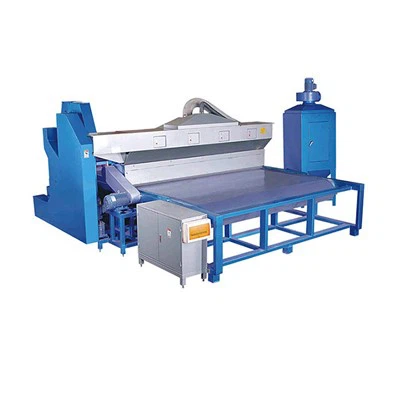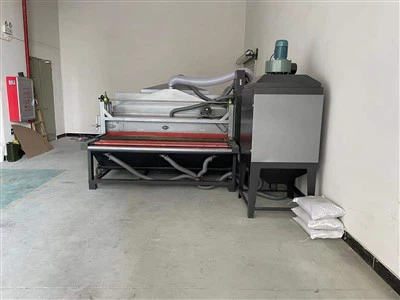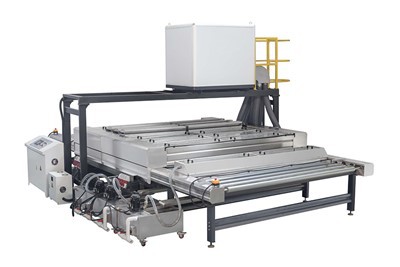
As a supplier of Flat Glass Cutting Machines, I've spent a significant amount of time observing and analyzing how various factors impact the performance of these machines. One such crucial factor that often goes unnoticed is the ambient temperature. In this blog post, I'll delve into the influence of ambient temperature on a flat glass cutting machine, exploring both the positive and negative aspects and providing insights on how to manage these effects effectively.
Thermal Expansion and Contraction
One of the most direct impacts of ambient temperature on a flat glass cutting machine is thermal expansion and contraction. All materials, including the components of the cutting machine, expand when heated and contract when cooled. This phenomenon can have a profound effect on the precision and accuracy of the cutting process.
For instance, the linear guides and lead screws, which are essential for the movement and positioning of the cutting head, can experience dimensional changes due to temperature fluctuations. If the machine is operating in a warm environment, the expansion of these components can cause slight misalignments, leading to inaccuracies in the cutting path. On the other hand, in a cold environment, contraction may result in increased friction and wear on the moving parts, reducing the machine's overall lifespan.
Impact on Glass Properties
The ambient temperature also affects the properties of the glass being cut. Glass is a brittle material, and its mechanical properties are highly sensitive to temperature changes. At higher temperatures, the glass becomes more pliable, which can make it easier to cut in some cases. However, this increased flexibility can also lead to issues such as chipping and cracking, especially when using a high cutting force.
Conversely, in a cold environment, the glass becomes more rigid and less forgiving. This can make it more prone to breaking during the cutting process, particularly if there are any pre - existing flaws or stress points in the glass. Therefore, it is crucial to adjust the cutting parameters, such as the cutting speed and pressure, according to the ambient temperature to ensure a clean and accurate cut.
Effects on Hydraulic and Pneumatic Systems
Many flat glass cutting machines rely on hydraulic and pneumatic systems to provide the necessary power for cutting and clamping the glass. These systems are also affected by ambient temperature.
In hydraulic systems, the viscosity of the hydraulic fluid changes with temperature. In cold temperatures, the fluid becomes more viscous, which can slow down the operation of the system and increase the energy consumption. On the other hand, in hot temperatures, the fluid may become too thin, leading to leaks and reduced system efficiency.
Pneumatic systems also face challenges in different temperature conditions. In cold weather, moisture in the compressed air can freeze, causing blockages in the air lines and valves. In hot weather, the air expands, which can affect the pressure regulation in the system, potentially leading to inconsistent cutting performance.


Impact on Electrical Components
The electrical components of a flat glass cutting machine, such as motors, controllers, and sensors, are also sensitive to ambient temperature. High temperatures can cause overheating of the motors, reducing their efficiency and lifespan. They can also lead to premature failure of electronic components, such as circuit boards and capacitors.
In cold temperatures, the performance of batteries (if any) may degrade, and the electrical insulation of wires can become brittle, increasing the risk of short circuits. Additionally, the accuracy of sensors can be affected by temperature changes, leading to incorrect measurements and control signals.
Mitigating the Effects of Ambient Temperature
To minimize the negative impact of ambient temperature on a flat glass cutting machine, several strategies can be employed.
First, it is essential to maintain a stable operating environment. This can be achieved by installing the machine in a temperature - controlled room. Air conditioning or heating systems can be used to keep the temperature within a narrow range, typically between 20°C and 25°C, which is considered optimal for most flat glass cutting machines.
Second, regular maintenance is crucial. Components such as linear guides, lead screws, and hydraulic/pneumatic systems should be inspected and lubricated regularly to minimize the effects of thermal expansion and contraction. Electrical components should also be checked for signs of overheating or damage, and air filters in pneumatic systems should be cleaned to prevent blockages.
Third, operators should adjust the cutting parameters according to the ambient temperature. For example, in hot weather, the cutting speed may need to be reduced to prevent chipping, while in cold weather, the cutting pressure may need to be increased slightly to compensate for the increased brittleness of the glass.
Conclusion
In conclusion, ambient temperature has a significant influence on the performance and lifespan of a flat glass cutting machine. By understanding these effects and implementing appropriate mitigation strategies, machine operators and manufacturers can ensure consistent cutting quality, reduce downtime, and extend the machine's service life.
As a supplier of Flat Glass Cutting Machines, we are committed to providing high - quality products that can withstand a wide range of operating conditions. Our Water Jet Marble Cutting Machine is designed with advanced thermal management features to minimize the impact of temperature changes. Our High Quality Water Jet Machine also offers precise control over the cutting process, regardless of the ambient temperature. And for larger production needs, our Fully Automatic Glass Cutting Production Line provides a highly efficient and stable solution.
If you are interested in our flat glass cutting machines or have any questions about how to optimize their performance in different temperature conditions, please feel free to contact us for more information and to discuss your specific requirements. We look forward to assisting you in achieving the best results with your glass cutting operations.
References
- "Handbook of Glass Cutting Technology", Smith, J., 2018
- "Thermal Effects in Manufacturing Processes", Lee, K., 2020
- "Hydraulic and Pneumatic Systems for Industrial Machinery", Chen, H., 2019