Hey there! As a supplier of glass processing machinery, I often get asked about the output capacity of large - scale glass processing machinery. It's a super important topic for businesses in the glass industry, whether you're a small workshop looking to expand or a big - time manufacturer aiming to optimize production. So, let's dig into it!
First off, what do we mean by output capacity? Simply put, it's the amount of processed glass a machine can produce within a specific time frame. This can be measured in different ways, like square meters of glass cut, polished, or sandblasted per hour, day, or month.
Factors Affecting Output Capacity
There are several factors that can influence the output capacity of large - scale glass processing machinery.
Machine Design and Technology
The design and technology of the machine play a huge role. Modern glass processing machines are often equipped with advanced automation systems. These systems can significantly increase the output capacity by reducing the time it takes to perform each operation. For example, a state - of - the - art glass cutting machine might use computer - controlled lasers or water jets. These precision tools can cut glass faster and more accurately than traditional methods, allowing for a higher volume of cuts in a shorter period.
Operator Skill
Believe it or not, the skill of the operator also matters a great deal. A well - trained operator knows how to optimize the machine's settings, troubleshoot minor issues quickly, and keep the production line running smoothly. They can load and unload glass sheets efficiently, adjust the machine for different types of glass, and ensure that the quality of the processed glass meets the required standards. On the other hand, an inexperienced operator might make mistakes that slow down the production process, like misaligning the glass or setting the wrong parameters.
Maintenance and Upkeep
Regular maintenance is crucial for maintaining high output capacity. A machine that's not properly maintained is more likely to break down, which can lead to costly downtime. For instance, if the cutting blades on a glass cutting machine aren't sharpened regularly, they'll cut more slowly and may produce lower - quality cuts. Similarly, if the motors in a glass polishing machine aren't lubricated, they can overheat and fail. By following a strict maintenance schedule, you can keep your machines in top - notch condition and ensure consistent output.
Output Capacity of Different Types of Glass Processing Machinery
Let's take a look at some common types of large - scale glass processing machinery and their typical output capacities.
Glass Cutting Machines
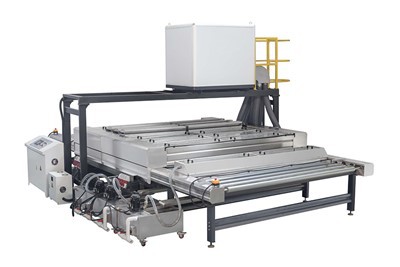
Glass cutting machines come in various sizes and configurations. Smaller, semi - automatic cutting machines might be able to cut around 50 - 100 square meters of glass per hour. These are often used in smaller workshops or for custom jobs. Larger, fully - automatic cutting machines, on the other hand, can cut anywhere from 200 - 500 square meters of glass per hour. These industrial - grade machines are designed for high - volume production and are commonly used in large glass manufacturing plants.
Glass Polishing Machines
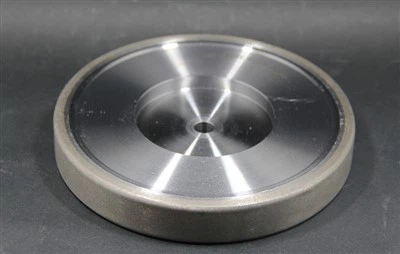
Polishing is an important step in the glass processing process, as it gives the glass a smooth and shiny finish. The output capacity of glass polishing machines depends on the size of the glass sheets being polished and the level of finish required. A standard glass polishing machine can polish around 100 - 200 square meters of glass per day. However, high - end, large - scale polishing machines with multiple polishing heads can polish up to 500 square meters or more per day.
Grit Blasting Machine
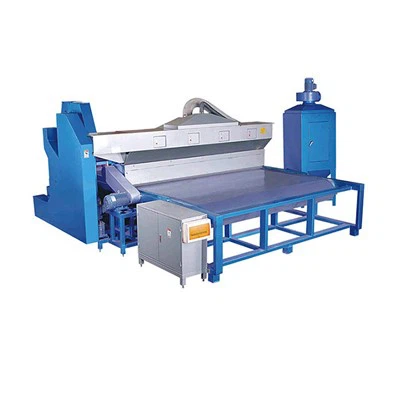
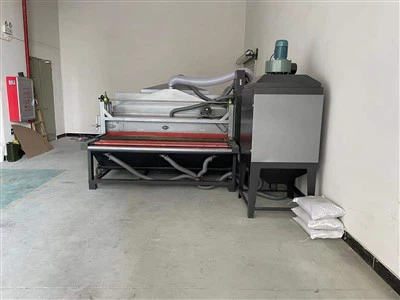
Grit blasting machines are used to create a textured or frosted finish on glass. The output capacity of these machines varies based on the size of the blasting chamber and the type of grit being used. A medium - sized grit blasting machine can process around 80 - 150 square meters of glass per day. Larger, industrial - scale grit blasting machines can handle up to 300 square meters or more per day.
Sand Blaster for Glass Etching
Sand blasters for glass etching are similar to grit blasting machines but are specifically designed for creating detailed etchings on glass. The output capacity of a sand blaster for glass etching is generally lower than that of a grit blasting machine, as the etching process is more precise and time - consuming. A typical sand blaster for glass etching can etch around 30 - 80 square meters of glass per day, depending on the complexity of the design.
Glass Sandblasting Machine
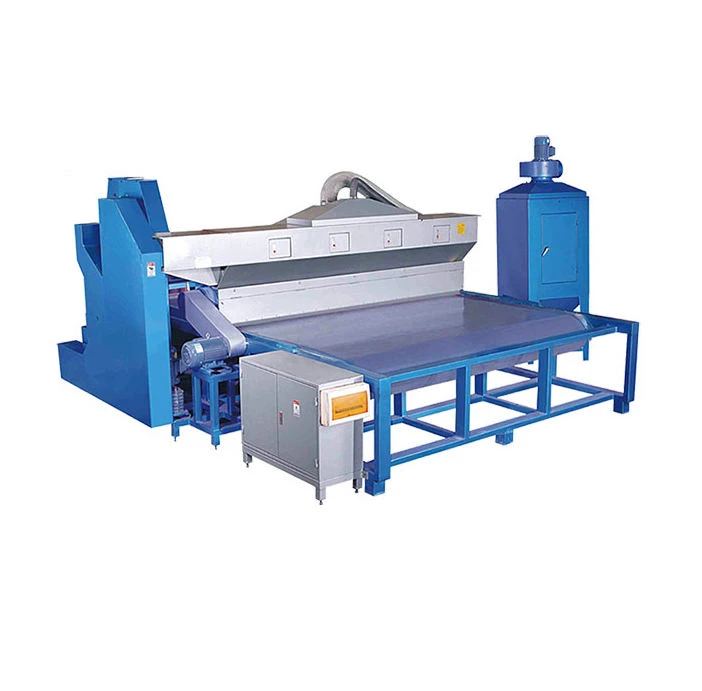
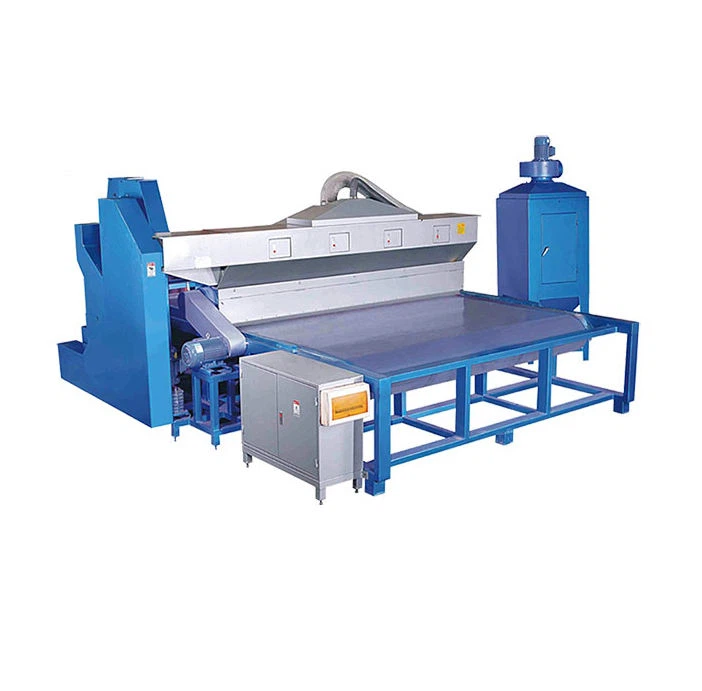
Glass sandblasting machines are used for a variety of applications, from creating decorative patterns to preparing glass for further processing. The output capacity of a glass sandblasting machine depends on factors like the size of the sandblasting cabinet, the pressure of the sandblasting system, and the type of glass being processed. A small - to - medium - sized glass sandblasting machine can sandblast around 60 - 120 square meters of glass per day, while larger machines can handle 200 square meters or more.
Optimizing Output Capacity
If you're looking to increase the output capacity of your large - scale glass processing machinery, here are some tips.
Upgrade Your Machines
Investing in newer, more advanced machines can significantly boost your output. Newer models often come with improved features like faster processing speeds, better automation, and higher precision. While the initial investment might be high, the long - term benefits in terms of increased production and reduced labor costs can be well worth it.
Train Your Operators
As I mentioned earlier, operator skill is key. Provide regular training to your operators to keep them up - to - date with the latest machine technologies and best practices. This can help them operate the machines more efficiently and reduce the likelihood of errors.
Streamline Your Production Process
Look for ways to streamline your production process. This could involve rearranging your workshop layout to minimize the time it takes to move glass between different machines, or implementing a just - in - time inventory system to ensure that you always have the right materials on hand.
Conclusion
In conclusion, the output capacity of large - scale glass processing machinery depends on a variety of factors, including machine design, operator skill, and maintenance. By understanding these factors and taking steps to optimize them, you can increase the productivity of your glass processing business. Whether you're in the market for a new glass cutting machine, a polishing machine, or a sandblasting machine, it's important to consider the output capacity that best suits your needs.
If you're interested in learning more about our glass processing machinery or have questions about output capacity, feel free to reach out. We're here to help you find the right solutions for your business and maximize your production potential. Let's start a conversation about how we can work together to take your glass processing operations to the next level!
References
- Glass Processing Handbook, various industry experts
- Technical manuals of different glass processing machinery manufacturers