Hey there! As a supplier of Small Sand Blasting Machines, I often get asked about how these nifty little machines work. So, I thought I'd take a few minutes to break down the working principle of a small sand blasting machine for you.
The Basics of Sand Blasting
First things first, let's talk about what sand blasting is. Sand blasting is a process that uses compressed air to propel abrasive material at high speed onto a surface. This can be used for a variety of purposes, like cleaning, removing paint or rust, or creating a rough surface for better adhesion.
A small sand blasting machine is a compact version of the larger industrial sand blasting equipment. It's perfect for small - scale projects, like DIY jobs at home, small workshops, or for finishing small parts in a manufacturing setting.
Components of a Small Sand Blasting Machine
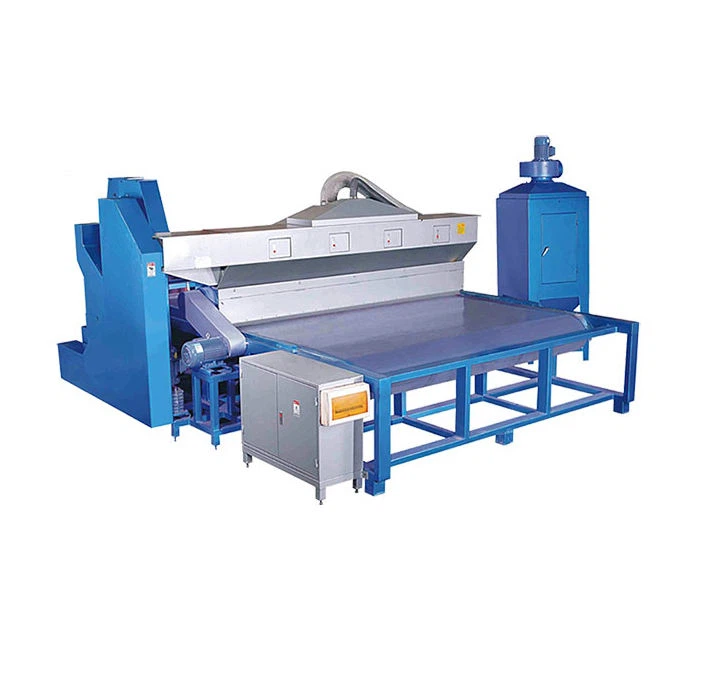
Before we dive into how it works, let's quickly go over the main components of a small sand blasting machine:
- Compressor: This is the heart of the machine. It creates the compressed air that will be used to propel the abrasive. You can think of it as the power source that gives the whole system the oomph it needs.
- Abrasive Hopper: This is where you store the abrasive material. Whether it's sand, glass beads, or some other type of grit, the hopper holds it until it's time to be used.
- Blasting Nozzle: The nozzle is the part that directs the abrasive - air mixture onto the surface you're working on. It's designed to focus the stream and control the flow of the abrasive.
- Control Valves: These valves are used to regulate the flow of compressed air and the amount of abrasive that gets mixed with the air. They give you control over the intensity and speed of the blasting process.
The Working Process
Now, let's get into the nitty - gritty of how a small sand blasting machine actually works.
Step 1: Loading the Abrasive
The first step is to load the abrasive into the hopper. You need to make sure you use the right type of abrasive for your project. For example, if you're just cleaning a surface, sand might be a good choice. But if you're looking for a more precise finish, glass beads could be better. Once the hopper is filled, you're ready to move on to the next step.
Step 2: Starting the Compressor
Next, you start up the compressor. As the compressor runs, it starts to build up pressure in the system. The compressed air is then sent through a series of hoses and pipes towards the blasting nozzle.

Step 3: Mixing the Abrasive with Air
As the compressed air travels towards the nozzle, it passes through a Venturi tube or a similar mechanism. This creates a low - pressure area, which sucks the abrasive from the hopper into the air stream. The Venturi effect is a really cool phenomenon where the increase in the speed of the air causes a decrease in pressure, allowing the abrasive to be pulled in.
The amount of abrasive that gets mixed with the air can be adjusted using the control valves. If you want a more aggressive blast, you can increase the amount of abrasive; if you need a lighter touch, you can reduce it.
Step 4: Blasting the Surface
Once the abrasive and air are mixed, they travel through the blasting nozzle and are directed onto the surface you're working on. The high - speed abrasive particles hit the surface and start to do their job. If you're cleaning, they'll knock off dirt, rust, or paint. If you're creating a rough surface, they'll etch into the material.
You have to move the nozzle around the surface in a controlled manner to ensure even coverage. The distance between the nozzle and the surface also matters. If it's too close, the blast can be too intense and damage the surface. If it's too far, the abrasive might not have enough impact.
Different Types of Small Sand Blasting Machines
There are a few different types of small sand blasting machines, each with its own working quirks.
Pressure - Type Sand Blasting Machines
In a pressure - type machine, the abrasive is stored in a pressure pot. The compressed air enters the pot and pressurizes it. When the control valve is opened, the pressurized abrasive is forced out through the nozzle. These machines are great for heavy - duty jobs because they can deliver a high - volume, high - pressure blast. You can check out our Small Sand Blasting Machine options if you're interested in a pressure - type machine.
Suction - Type Sand Blasting Machines
Suction - type machines work a bit differently. Instead of pressurizing the abrasive directly, they use the Venturi effect to suck the abrasive from the hopper into the air stream. These machines are more suitable for lighter jobs and are often more portable. They're a popular choice for small workshops and DIY enthusiasts.
Applications of Small Sand Blasting Machines
Small sand blasting machines have a wide range of applications.
Glass Processing
One of the most common uses is in glass processing. You can use a small sand blasting machine to create frosted glass effects. The abrasive particles etch into the glass surface, creating a smooth, opaque finish. If you're in the glass processing industry, you might want to check out our Glass Sandblasting Equipment.
Metal Finishing
For metal parts, sand blasting can be used to clean and prepare the surface before painting or coating. It removes rust, scale, and other contaminants, ensuring better adhesion of the paint or coating. You can also use it to create a textured finish on metal for aesthetic purposes.
Woodworking
In woodworking, sand blasting can be used to create a weathered or distressed look. The abrasive particles can wear away the softer parts of the wood, leaving a more rustic appearance.
Advantages of Using a Small Sand Blasting Machine
There are several advantages to using a small sand blasting machine.
Cost - Effective
Compared to large industrial sand blasting equipment, small machines are much more affordable. They're a great option for small businesses or individuals on a budget.
Portability
Many small sand blasting machines are designed to be portable. You can easily move them around your workshop or take them to different job sites.
Precision
You have a lot of control over the blasting process with a small machine. You can adjust the pressure, the amount of abrasive, and the distance between the nozzle and the surface to get the exact result you want.
Why Choose Our Small Sand Blasting Machines?
As a supplier, we take pride in offering high - quality small sand blasting machines. Our machines are built to last, with durable components and reliable performance. We also offer a variety of models to suit different needs and budgets.
If you're in the market for a small sand blasting machine, whether it's for a one - time DIY project or for regular use in your workshop, we'd love to help you find the right one. Just get in touch with us to start a conversation about your requirements.
Contact Us for Purchasing
If you're interested in our Small Sand Blasting Machine or Grit Blasting Machine, don't hesitate to reach out. We're here to answer any questions you might have and help you make the best choice for your project.
References
- "Sand Blasting Handbook" - A comprehensive guide on sand blasting techniques and equipment.
- Industry reports on small - scale sand blasting applications and trends.
So, that's the lowdown on the working principle of a small sand blasting machine. I hope this blog post has been helpful to you. If you have any more questions, feel free to drop us a line!