Hey there! As a supplier of glass tempering furnaces, I often get asked about the raw material requirements for these nifty machines. So, I thought I'd put together this blog post to break it all down for you.
First off, let's understand what glass tempering is. Tempering is a process that strengthens glass by heating it to a high temperature and then rapidly cooling it. This creates a surface compression and internal tension, making the glass more resistant to breakage and impact. And the type of glass you use as a raw material plays a huge role in the quality of the tempered glass you end up with.
Types of Glass Used in Tempering Furnaces
Soda - Lime Glass
Soda - lime glass is by far the most commonly used raw material for glass tempering furnaces. It's made from a mixture of silica sand, soda ash, and limestone. This type of glass is relatively inexpensive and widely available, which makes it a popular choice for a variety of applications, from windows in buildings to glassware in our homes.
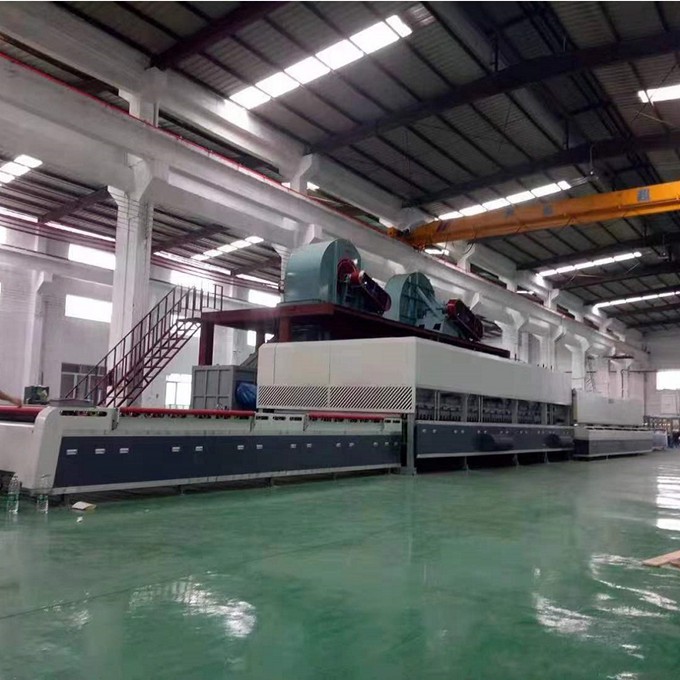
The great thing about soda - lime glass is that it has a relatively low melting point, which means it can be easily heated in a glass tempering furnace. Once heated to the right temperature (around 620 - 650 degrees Celsius), it can then be quickly cooled to achieve the tempering effect. If you're looking for an Automatic Glass Tempering Furnace to work with soda - lime glass, it can handle the process quite efficiently.
Borosilicate Glass
Borosilicate glass is another option, though it's not as commonly used as soda - lime glass. It contains boron trioxide, which gives it some unique properties. Borosilicate glass has a very low coefficient of thermal expansion, which means it can withstand rapid temperature changes without cracking.
This makes it ideal for applications where high - temperature resistance is required, such as laboratory glassware and some types of cookware. However, because of its higher melting point compared to soda - lime glass, it needs a more specialized Chemical Glass Tempering Furnace to achieve the tempering process. The furnace needs to be able to reach higher temperatures and maintain a more precise heating and cooling cycle.
Aluminosilicate Glass
Aluminosilicate glass contains aluminum oxide, which enhances its mechanical and thermal properties. It has a high strength - to - weight ratio and excellent resistance to thermal shock. This type of glass is often used in high - performance applications, like aerospace and electronics.
To temper aluminosilicate glass, you'll need a Horizontal Flat Glass Tempering Furnace that can provide a uniform heating and cooling process. The furnace must be able to handle the specific requirements of aluminosilicate glass, such as its higher melting point and unique thermal characteristics.

Quality Requirements for Raw Glass
Purity
The purity of the raw glass is crucial. Any impurities in the glass can cause defects during the tempering process. For example, if there are small particles of dirt or other contaminants in the glass, they can act as stress concentrators when the glass is tempered. This can lead to the glass breaking prematurely or having visible flaws on its surface.
So, when sourcing your raw glass, make sure it comes from a reliable supplier who can guarantee a high level of purity. You might want to ask for a quality certificate or some form of documentation to ensure the glass meets your standards.
Thickness and Flatness
The thickness and flatness of the raw glass also matter. In a glass tempering furnace, the glass needs to heat and cool evenly across its entire surface. If the glass is too thick or has an uneven thickness, it can lead to uneven tempering. This means that some parts of the glass may be stronger than others, which can compromise its overall performance.
Similarly, if the glass is not flat, it can cause problems during the heating and cooling process. The glass may not make proper contact with the heating elements or the cooling nozzles in the furnace, resulting in inconsistent tempering. Most glass tempering furnaces have specific thickness and flatness requirements, so make sure to check these before you start the tempering process.
Quantity and Sourcing
How Much Glass Do You Need?
The amount of raw glass you need depends on your production volume. If you're running a small - scale operation, you might only need a few sheets of glass at a time. But if you're a large - scale manufacturer, you'll need to source glass in bulk.
It's a good idea to calculate your glass requirements based on your production schedule. Consider factors like the size of the glass pieces you'll be tempering, the number of pieces you plan to produce per day, and any potential waste or scrap that might occur during the tempering process.
Sourcing the Right Supplier
Finding the right glass supplier is just as important as choosing the right glass tempering furnace. Look for a supplier who can provide you with consistent quality glass at a reasonable price. You can ask for recommendations from other glass manufacturers or check online reviews.
It's also a good idea to establish a long - term relationship with your supplier. This can give you more stability in terms of supply and may even lead to better pricing and service over time.
Conclusion
So, there you have it! The raw material requirements for a glass tempering furnace are all about choosing the right type of glass, ensuring its quality, and sourcing it in the right quantity. Whether you're using soda - lime glass, borosilicate glass, or aluminosilicate glass, each type has its own unique requirements when it comes to tempering.
If you're in the market for a glass tempering furnace, we've got a great range of options, including Automatic Glass Tempering Furnace, Chemical Glass Tempering Furnace, and Horizontal Flat Glass Tempering Furnace. We're here to help you find the perfect furnace for your specific needs.
If you're interested in learning more or discussing your glass tempering requirements, don't hesitate to reach out. We'd love to have a chat with you and see how we can assist you in your glass manufacturing journey.
References
- Glass Manufacturing Handbook: A Comprehensive Guide to Glass Production and Processing
- Tempered Glass: Properties, Applications, and Manufacturing Techniques