Hey there! As a supplier of Glass Strengthening Furnaces, I've seen firsthand how the quality of glass can have a huge impact on the strengthening process in a furnace. Let's dive into this topic and explore the ins and outs of how glass quality plays a crucial role.
First off, let's talk about what glass quality actually means. When we're talking about glass for strengthening in a furnace, there are a few key factors that determine its quality. One of the most important is the chemical composition of the glass. Different types of glass have different chemical make - ups, and this can affect how they respond to the heat and stress during the strengthening process.
For example, soda - lime glass is one of the most commonly used types of glass in the industry. It's relatively inexpensive and has good transparency. But its chemical composition means that it has a certain coefficient of thermal expansion. If the glass has impurities or an inconsistent chemical composition, it can lead to uneven expansion and contraction during the heating and cooling phases in the furnace. This unevenness can result in internal stresses that may cause the glass to break or develop cracks during or after the strengthening process.
Another aspect of glass quality is its physical properties, like its thickness and surface quality. Thickness matters a lot. If the glass is too thick, it may take longer to heat up evenly in the furnace. This can lead to a situation where the outer layers of the glass reach the desired temperature for strengthening while the inner layers are still cooler. As a result, when the cooling process starts, the different rates of cooling between the outer and inner layers can create excessive internal stresses. On the other hand, if the glass is too thin, it may not be able to withstand the rapid cooling required for proper strengthening, and it could shatter easily.
Surface quality is also super important. A glass with a rough or scratched surface can act as a stress concentrator. During the strengthening process, these areas of stress concentration are more likely to crack or break. Even small surface imperfections can disrupt the smooth flow of heat and stress distribution in the glass, affecting the overall effectiveness of the strengthening.
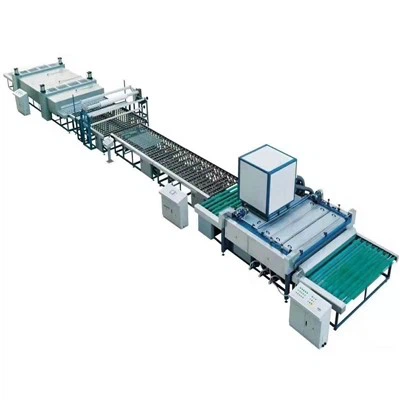
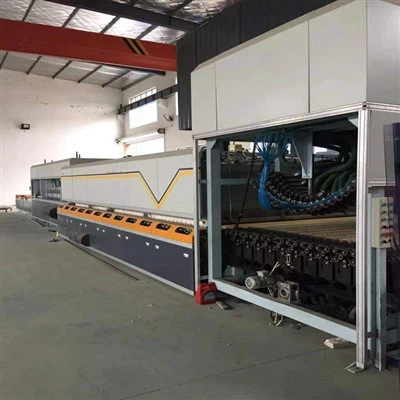
Now, let's look at how these quality factors interact with the different types of Glass Strengthening Furnaces. We have Automotive Glass Tempering Furnace, Glass Strengthening Furnace, and Solar Glass Tempering Furnace. Each type of furnace has its own specific requirements and operating parameters, and the quality of the glass needs to be compatible with these.
In an Automotive Glass Tempering Furnace, the glass used for car windows and windshields needs to meet very high - quality standards. Automotive glass not only has to be strong but also has to have excellent optical clarity. Any defects in the glass can distort the driver's vision, which is a huge safety hazard. So, the glass going into this type of furnace must have a very consistent chemical composition and a smooth, defect - free surface. If the glass quality is sub - par, it may not pass the strict quality control tests after strengthening, and that means wasted time and resources.
A Glass Strengthening Furnace is a more general - purpose furnace that can be used for various types of glass products. But even here, the quality of the glass affects the process. For instance, if you're using a lower - quality glass with a lot of impurities, you may need to adjust the furnace settings. You might have to increase the heating time or the cooling rate to try and compensate for the uneven properties of the glass. However, these adjustments can also have limitations. If the glass quality is too poor, no matter how you tweak the furnace settings, you may not be able to achieve the desired level of strengthening.
Solar Glass Tempering Furnaces are used for glass in solar panels. The glass in solar panels needs to be highly transparent to allow maximum sunlight to pass through. At the same time, it has to be strong enough to withstand environmental factors like wind, rain, and temperature changes. Low - quality glass with impurities or surface defects can reduce the efficiency of the solar panel by blocking or scattering sunlight. Also, if the glass isn't properly strengthened, it may break easily, which is a big problem for the long - term performance of the solar panel.


To ensure a successful strengthening process, it's essential to start with high - quality glass. Before loading the glass into the furnace, it's a good idea to conduct some quality checks. You can use optical inspection tools to check for surface defects and chemical analysis techniques to verify the chemical composition. This way, you can catch any potential issues early on and avoid problems during the strengthening process.
But it's not just about the glass quality itself; it's also about how the glass is handled before and during the process. Glass should be stored in a clean and dry environment to prevent contamination and damage. When loading the glass into the furnace, it should be placed carefully to ensure even heat distribution. Any misalignment or improper placement can lead to uneven heating and cooling, which can affect the strengthening results.
In conclusion, the quality of glass has a profound impact on the strengthening process in a furnace. Whether you're using an Automotive Glass Tempering Furnace, a Glass Strengthening Furnace, or a Solar Glass Tempering Furnace, starting with high - quality glass is the key to achieving strong, reliable, and defect - free glass products.
If you're in the market for a Glass Strengthening Furnace or want to learn more about how to optimize the glass strengthening process, don't hesitate to reach out. We're here to help you make the most of your glass products and ensure a successful strengthening process.
References:
- "Glass Science and Technology" by David R. Uhlmann and Neil J. Kreidl
- "Handbook of Glass Properties" edited by W. A. Weyl and Charles B. Lippencott