Hey there! As a supplier of Glass Laminating Equipment, I've had the privilege of diving deep into the world of glass laminating. It's a fascinating field where technology meets craftsmanship to create some truly amazing products. In this blog, I'm going to break down the key components of glass laminating equipment, so you can have a better understanding of what goes into making high - quality laminated glass.
Glass Loading System
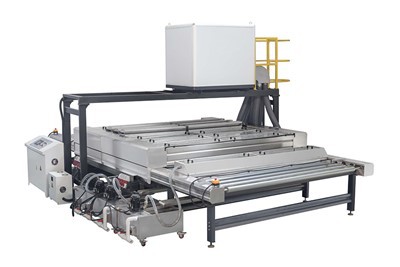
Let's start with the glass loading system. This is the first step in the glass laminating process. It's all about getting the glass sheets onto the production line smoothly and safely. A good glass loading system should be able to handle different sizes and thicknesses of glass. It usually consists of suction cups or grippers that pick up the glass from a storage area and place it onto the conveyor belt.
The suction cups are designed to create a strong vacuum seal on the glass surface, ensuring that the glass doesn't slip or fall during the transfer. Some advanced loading systems can even adjust the suction force according to the size and weight of the glass. This is super important because it helps prevent damage to the glass, which can be costly and time - consuming to replace.
Cleaning and Drying Unit
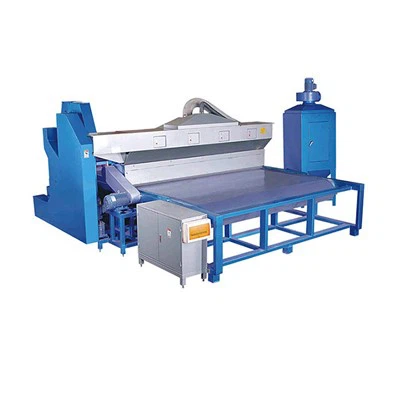
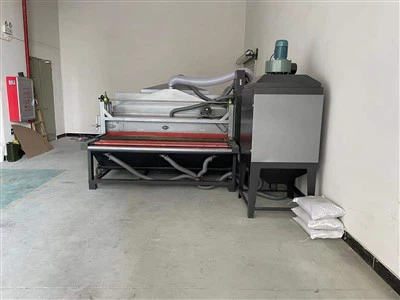
Once the glass is loaded onto the conveyor belt, it needs to be cleaned and dried. The cleaning and drying unit is a crucial component of the glass laminating equipment. Any dirt, dust, or fingerprints on the glass can affect the quality of the lamination.
The cleaning part typically involves spraying the glass with a cleaning solution and then using brushes or sponges to scrub the surface. After that, the glass goes through a rinsing stage to remove any remaining cleaning solution. The drying stage is equally important. It uses hot air blowers or infrared heaters to quickly dry the glass. A well - designed cleaning and drying unit can ensure that the glass surface is completely clean and dry, which is essential for a strong and clear lamination.


Interlayer Film Application
The interlayer film is what holds the two or more glass sheets together in laminated glass. Applying the interlayer film evenly and without any bubbles is a critical step. The interlayer film application system usually consists of a film unwinding mechanism, a film cutting device, and a film pressing unit.
The film unwinding mechanism feeds the interlayer film from a roll onto the glass surface. It needs to be able to control the speed and tension of the film to ensure a smooth application. The film cutting device cuts the film to the appropriate size, matching the dimensions of the glass. Finally, the film pressing unit presses the film onto the glass, removing any air bubbles between the film and the glass. This is often done using rollers or a vacuum system.
Vacuum Bagging or Autoclave
After the interlayer film is applied, the glass needs to be further processed to ensure a perfect lamination. There are two main methods for this: vacuum bagging and autoclaving.
Vacuum bagging involves placing the glass and the interlayer film inside a vacuum bag. The air is then removed from the bag, creating a vacuum environment. This helps to remove any remaining air bubbles and ensures that the interlayer film adheres tightly to the glass. Vacuum bagging is a relatively simple and cost - effective method, but it may not be suitable for all types of laminated glass.
On the other hand, an autoclave is a high - pressure and high - temperature chamber. The glass is placed inside the autoclave, and it is subjected to high pressure and temperature for a certain period of time. This process helps to fully cure the interlayer film, resulting in a stronger and more durable lamination. Autoclaves are often used for high - quality laminated glass products, such as those used in automotive and architectural applications.
Cutting and Edging Equipment
Once the lamination process is complete, the glass may need to be cut and edged to the desired shape and size. Cutting and edging equipment is used for this purpose. The cutting equipment can use different methods, such as diamond blades or laser cutting, depending on the type of glass and the required precision.
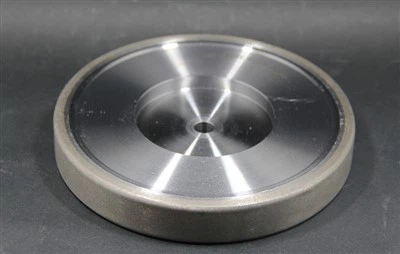
Edging equipment is used to smooth the edges of the glass, which is important for safety and aesthetics. It can also be used to create different edge profiles, such as beveled or rounded edges. A good cutting and edging system can ensure that the final glass product meets the exact specifications of the customer.
Quality Control System
Last but not least, a quality control system is an essential part of glass laminating equipment. This system is used to inspect the laminated glass for any defects, such as air bubbles, delamination, or scratches. It can use various techniques, such as visual inspection, optical sensors, or ultrasonic testing.
The quality control system helps to ensure that only high - quality laminated glass products are sent to the customers. It also allows the manufacturer to identify and correct any issues in the production process, improving the overall efficiency and quality of the production line.
Conclusion
So, there you have it! These are the key components of glass laminating equipment. Each component plays a vital role in the production of high - quality laminated glass. Whether you're in the automotive, architectural, or any other industry that uses laminated glass, having a good understanding of these components can help you make informed decisions when purchasing glass laminating equipment.
If you're interested in our Glass Laminating Equipment, Glass Lamination Production Line, or Automatic Laminated Glass Production Line, don't hesitate to get in touch with us. We're always happy to discuss your specific needs and provide you with the best solutions.
References
- Glass Industry Handbook
- Laminated Glass Manufacturing Guide