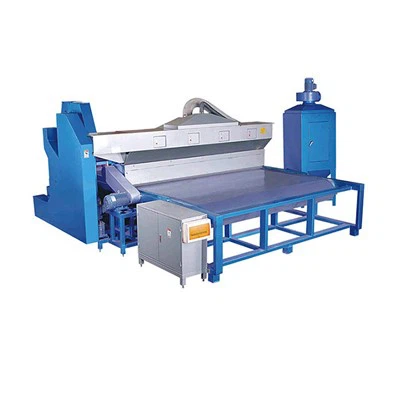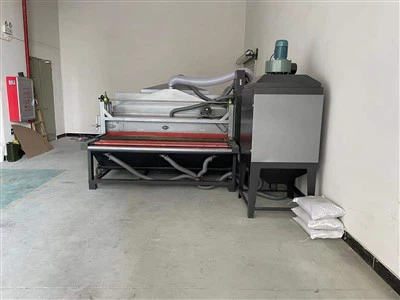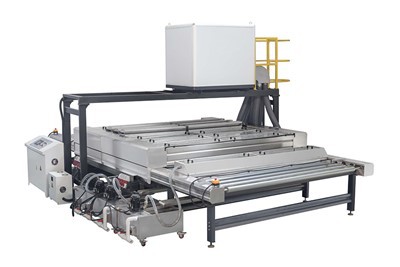
Hey there! I'm a supplier of glass processing machinery, and I'm super stoked to share with you the key components of this kind of equipment. Glass processing machinery is used in a wide range of industries, from construction to automotive, and having a good understanding of its key components can help you make better decisions when it comes to purchasing.
Cutting and Shaping Components
One of the most fundamental processes in glass processing is cutting and shaping. This is where the journey of turning a large sheet of glass into a useful product begins.
Cutting Wheels
Cutting wheels are a crucial part of any glass cutting machine. These wheels are made from extremely hard materials like diamond or tungsten carbide. The sharp edge of the wheel scores the surface of the glass, creating a weak point. Once the score is made, a controlled break can be applied, separating the glass into the desired shape. Different types of cutting wheels are used depending on the thickness and type of glass. For thinner glasses, a smaller and more precise cutting wheel might be used, while thicker glasses require a more robust wheel.
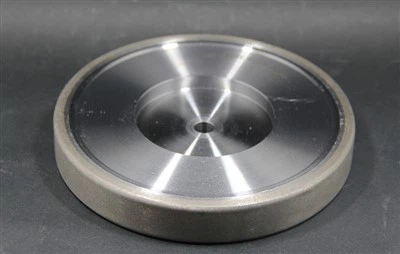
Grinding Wheels
After cutting, the edges of the glass are often rough and sharp. Grinding wheels are used to smooth these edges. They come in various grit sizes. Coarse grit wheels are used for the initial grinding to remove a large amount of material quickly, while fine grit wheels are used for the final finishing to achieve a smooth and polished edge. Grinding wheels can be made from materials like silicon carbide or aluminum oxide.
Router Bits
Router bits are used for more complex shaping operations. They can create curves, holes, and decorative edges in the glass. Just like cutting and grinding wheels, router bits are made from hard materials to withstand the high - pressure and friction involved in shaping glass.
Polishing Components
Polishing is what gives glass that beautiful, clear, and shiny finish. It's an important step, especially for glass products that are used in high - end applications.
Polishing Pads
Polishing pads are available in different grades, from coarse to fine. Coarse pads are used first to remove any scratches or unevenness left from the grinding process. As the polishing progresses, finer pads are used to achieve a mirror - like finish. These pads are usually made of materials like felt, foam, or resin, and they are often impregnated with abrasive compounds.
Abrasive Compounds
Abrasive compounds are used in conjunction with polishing pads. They contain tiny abrasive particles that help in the polishing process. Different compounds are used depending on the type of glass and the desired finish. For example, cerium oxide is a common abrasive compound used for polishing optical glass.
Sandblasting Components
Sandblasting is a process used to create a frosted or textured surface on glass. It's a popular technique for both decorative and functional purposes.
Sandblasting Nozzles
The sandblasting nozzle is where the abrasive material is ejected onto the glass surface. Nozzles come in different sizes and shapes, and the choice of nozzle depends on the size of the area to be sandblasted and the type of pattern you want to create. A smaller nozzle is more suitable for detailed work, while a larger nozzle can cover a bigger area more quickly.
Abrasive Material
The abrasive material used in sandblasting can vary. Common materials include silica sand, aluminum oxide, and glass beads. Each material has its own characteristics. Silica sand is inexpensive and widely available, but it can be hazardous if inhaled. Aluminum oxide is a more durable and efficient abrasive, and glass beads are often used for a more gentle sandblasting effect.

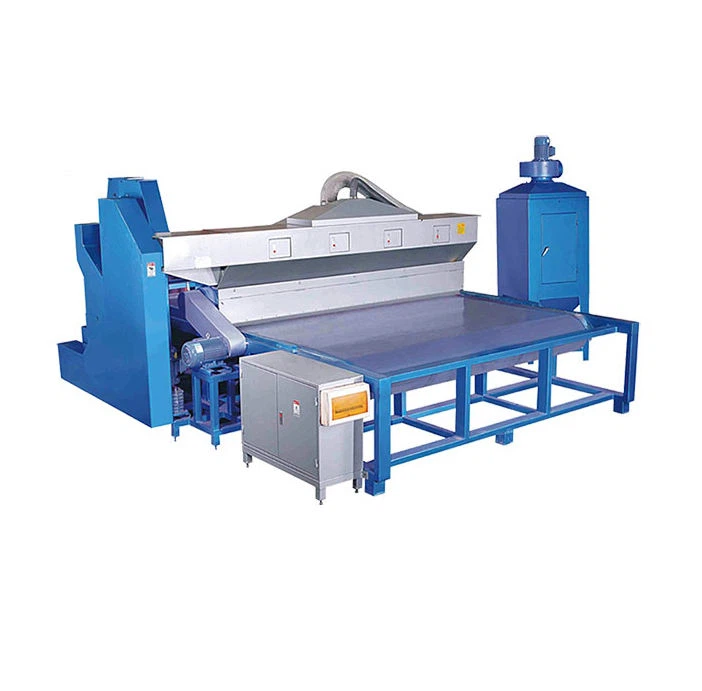
If you're interested in sandblasting equipment, check out our Glass Sandblasting Machine, Sand Blaster for Glass Etching, and Vertical Glass Sand Blasting Machine.
Heating and Bending Components
Heating and bending glass is a process that requires precise control of temperature and pressure.
Heating Elements
Heating elements are used to raise the temperature of the glass to a point where it becomes malleable. These elements can be in the form of electric heaters or gas burners. Electric heating elements are more precise and easier to control, while gas burners can provide a large amount of heat quickly.
Bending Molds
Once the glass is heated, bending molds are used to shape it into the desired form. These molds are made from materials that can withstand high temperatures, such as stainless steel or ceramic. The design of the mold determines the final shape of the bent glass.
Control and Automation Components
In modern glass processing machinery, control and automation components play a vital role in ensuring accuracy, efficiency, and safety.
Programmable Logic Controllers (PLCs)
PLCs are the brains of the glass processing machine. They control the operation of all the components, such as the speed of the cutting wheels, the temperature of the heating elements, and the movement of the glass through the machine. PLCs allow for precise programming of different processing steps, which can be adjusted according to the specific requirements of each job.
Sensors
Sensors are used to monitor various parameters during the glass processing. For example, optical sensors can detect the position and size of the glass, while temperature sensors can ensure that the heating elements are operating at the correct temperature. Pressure sensors are used to control the force applied during grinding and polishing.
Human - Machine Interfaces (HMIs)
HMIs are the interface between the operator and the machine. They allow the operator to input commands, monitor the machine's status, and make adjustments as needed. HMIs can be in the form of touchscreens or control panels, and they provide a user - friendly way to interact with the complex machinery.
Conclusion
So, there you have it - the key components of glass processing machinery. Each component plays a crucial role in transforming raw glass into a finished product. Whether you're in the construction industry looking for glass for windows and facades, or in the automotive industry needing glass for windshields and mirrors, having a good understanding of these components can help you choose the right machinery for your needs.
If you're interested in purchasing glass processing machinery or have any questions about our products, don't hesitate to reach out. We're here to help you find the best solutions for your glass processing requirements.
References
- Glass Processing Handbook
- Industrial Glass Manufacturing and Processing Textbooks