The cleaning efficiency of a Low - e Glass Washer is a crucial factor that directly impacts the quality and productivity of glass processing. As a supplier of Low - e Glass Washers, I have in - depth knowledge and practical experience in this field, and I'm eager to share insights on what contributes to the cleaning efficiency of these machines.
Understanding Low - e Glass
Before delving into the cleaning efficiency of Low - e Glass Washers, it's essential to understand Low - e glass itself. Low - emissivity (Low - e) glass is a type of high - performance glass with a microscopically thin, transparent metallic or metallic oxide coating. This coating significantly reduces the amount of infrared and ultraviolet light that can pass through the glass, while allowing visible light to enter. It helps in improving energy efficiency in buildings by reducing heat transfer, but it also presents unique cleaning challenges.
The coating on Low - e glass is delicate and can be easily damaged. Any scratches or improper cleaning can compromise its performance, reducing its energy - saving capabilities and aesthetic appeal. Therefore, the cleaning process must be both effective in removing dirt, dust, and contaminants and gentle enough to protect the coating.


Key Factors Affecting Cleaning Efficiency
Spray System
The spray system is one of the most critical components of a Low - e Glass Washer. A well - designed spray system can ensure thorough and even distribution of cleaning solution across the glass surface. High - pressure nozzles are commonly used to generate sufficient force to dislodge dirt particles. The pressure and angle of the nozzles need to be carefully calibrated. If the pressure is too high, it may damage the Low - e coating; if it's too low, the dirt may not be effectively removed.
Advanced Low - e Glass Washers often feature adjustable spray patterns and pressures. This flexibility allows the operator to customize the cleaning process based on the type and level of contamination on the glass. For instance, for heavily soiled glass, a higher pressure and a more concentrated spray pattern can be used, while for lightly soiled or newly manufactured glass, a lower pressure and a wider spray pattern may be sufficient.
Brush Design and Quality
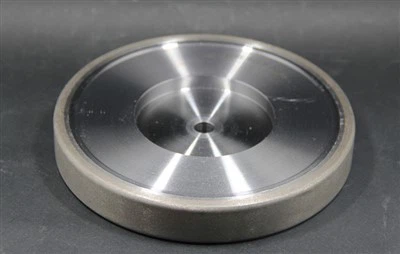
Brushes are another important element in the glass cleaning process. In a Low - e Glass Washer, soft - bristle brushes are typically used to avoid scratching the delicate Low - e coating. The brush material, density, and shape play a vital role in cleaning efficiency.
The material of the brush should be gentle yet durable enough to withstand continuous use. Polyester or nylon bristles are commonly used as they offer a good balance between softness and abrasion resistance. The density of the bristles affects the contact area with the glass surface. A higher density of bristles can provide more comprehensive cleaning, but it also requires proper maintenance to prevent clogs from dirt and debris.
The shape of the brushes can also be optimized for different cleaning tasks. For example, cylindrical brushes can be used for general cleaning of the glass surface, while edge - cleaning brushes are designed to reach and clean the often - overlooked edges of the glass.
Water Recycling and Filtration
Water recycling and filtration are essential for both cost - effectiveness and cleaning performance. A good Low - e Glass Washer should have an efficient water recycling system that can filter and reuse the cleaning water. This not only reduces water consumption but also ensures a consistent supply of clean water for the cleaning process.
The filtration system typically includes multiple stages to remove different sizes of particles. Coarse filters can remove large debris, while fine filters can capture smaller particles and contaminants. Some advanced systems also use sedimentation tanks and chemical treatment to further purify the water. By maintaining clean water in the system, the cleaning efficiency can be improved as dirty water can potentially redeposit contaminants on the glass.
Measuring Cleaning Efficiency
Cleaning efficiency can be measured in several ways. One common method is to visually inspect the glass after cleaning. A clean Low - e glass should be free of visible dirt, streaks, and residues. However, visual inspection may not be sufficient, especially for detecting microscopic contaminants that can affect the performance of the Low - e coating.
Another way is to use surface analysis techniques. For example, surface tension measurement can indicate the presence of contaminants on the glass surface. A clean glass surface typically has a consistent surface tension, while the presence of dirt or residues can cause variations. Additionally, optical microscopy or electron microscopy can be used to examine the microscopic structure of the glass surface and detect any scratches or remaining contaminants.
The cleaning speed of the Low - e Glass Washer is also an important factor in measuring efficiency. A faster cleaning speed means higher productivity, which is crucial for large - scale glass production facilities. However, the cleaning speed should not come at the expense of cleaning quality. A balance needs to be struck between speed and effectiveness to ensure optimal results.
Our Low - e Glass Washer Offerings
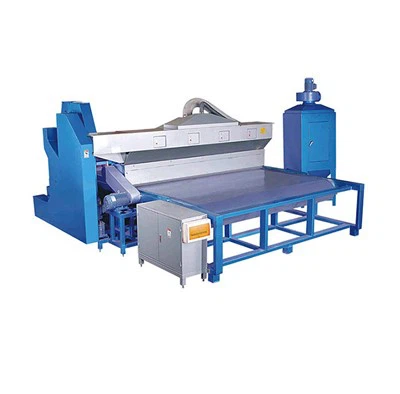
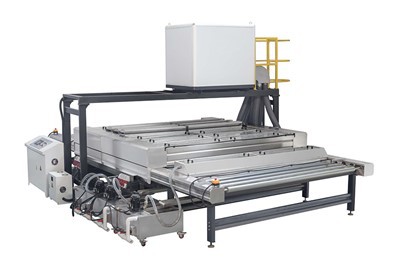
We, as a supplier, understand the importance of cleaning efficiency in Low - e glass processing. Our Low - e Glass Washer is designed with the latest technology and high - quality components to ensure the best cleaning performance.
Our spray system features precision - engineered nozzles with adjustable pressure and spray patterns. This allows the operator to tailor the cleaning process according to the specific requirements of the Low - e glass. The brushes are made of high - quality, soft - bristle materials, carefully selected to provide thorough cleaning without damaging the delicate coating.
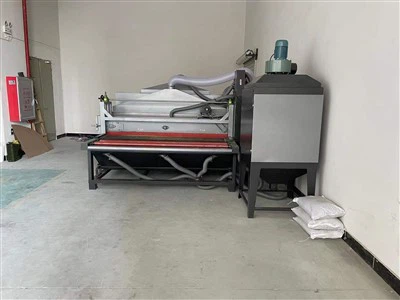
In addition, our water recycling and filtration system is highly efficient, reducing water consumption and maintaining a clean water supply for consistent cleaning results. We also offer different models of Low - e Glass Washers to meet the diverse needs of our customers, including Horizontal Glass Washing and Drying Machine and Glass Cleaning and Drying Machine, each with its unique features and advantages.
Why Choose Our Low - e Glass Washer?
When it comes to purchasing a Low - e Glass Washer, there are several reasons to choose our products. Firstly, our machines are built with reliability in mind. We use high - quality materials and components, and our manufacturing process adheres to strict quality control standards. This ensures that our machines have a long service life and require minimal maintenance, reducing downtime and increasing productivity for your business.
Secondly, our technical support team is always ready to assist you. Whether it's installation, operation training, or troubleshooting, we provide comprehensive technical support to ensure that you can make the most of our Low - e Glass Washer. We also offer regular updates and upgrades to improve the performance of our machines.
Finally, our pricing is competitive. We understand the cost - sensitivity of the glass processing industry, and we strive to offer high - quality Low - e Glass Washers at affordable prices. This allows you to achieve excellent cleaning efficiency without breaking the bank.
Contact Us for Procurement
If you're in the market for a high - performance Low - e Glass Washer, we invite you to contact us for procurement. Our sales team is experienced and knowledgeable, and they can provide you with detailed information about our products, including specifications, pricing, and delivery options. We can also arrange a demonstration for you to see the cleaning efficiency of our Low - e Glass Washer in person.
Don't miss the opportunity to enhance your glass processing productivity and quality with our top - of - the - line Low - e Glass Washers. Reach out to us today and let's start a productive business relationship.
References
- Glass Association of North America. (202x). Technical Manual on Low - e Glass.
- International Glazing Association. (202x). Best Practices for Cleaning and Maintaining Low - e Glass.