Hey there! As a supplier of CNC Diamond Milling Wheels, I've been getting a lot of questions lately about the effect of spindle power on the performance of these wheels. So, I thought I'd take a moment to share my thoughts and insights on this topic.
First off, let's talk about what spindle power is. In simple terms, spindle power refers to the amount of energy that the spindle motor can deliver to the milling wheel. This power is measured in horsepower (HP) or kilowatts (kW), and it plays a crucial role in determining the cutting ability and efficiency of the milling wheel.
One of the most significant effects of spindle power on the performance of a CNC diamond milling wheel is its ability to handle different types of materials. When you're working with harder materials like glass or ceramics, you'll need a higher spindle power to ensure that the milling wheel can cut through the material effectively. On the other hand, if you're working with softer materials like plastics or wood, a lower spindle power may be sufficient.
For example, let's say you're using a CNC diamond milling wheel to cut through a thick piece of glass. If your spindle power is too low, the wheel may struggle to make a clean cut, resulting in rough edges and a poor finish. However, if you have a high spindle power, the wheel can cut through the glass smoothly and efficiently, leaving a clean and precise edge.
Another important factor to consider is the feed rate. The feed rate refers to the speed at which the workpiece is fed into the milling wheel. A higher spindle power allows for a higher feed rate, which means you can complete your machining operations more quickly. This can be especially beneficial when you're working on large-scale projects or when you need to meet tight deadlines.
However, it's important to note that increasing the feed rate too much can also have a negative impact on the performance of the milling wheel. If the feed rate is too high, the wheel may overheat, causing the diamond particles to wear out more quickly. This can lead to a shorter lifespan for the wheel and a decrease in the quality of the finished product.
In addition to the type of material and the feed rate, the spindle power also affects the surface finish of the workpiece. A higher spindle power can result in a smoother surface finish, as the wheel can remove material more evenly and precisely. This is particularly important when you're working on applications where a high level of precision and quality is required, such as in the production of optical lenses or electronic components.
Now, let's talk about some of the specific applications where the spindle power of a CNC diamond milling wheel can make a big difference. One such application is in the automotive industry, where these wheels are used for tasks like Car Windshield Removal Tool. When removing a car windshield, a high spindle power is essential to ensure that the wheel can cut through the adhesive and glass quickly and safely.
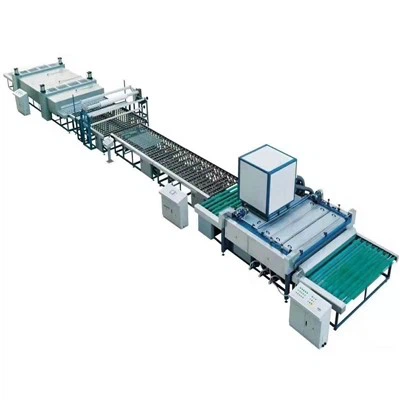
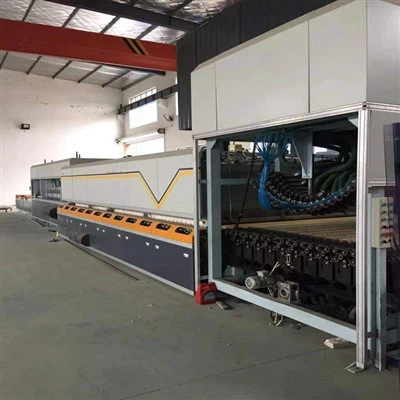
Another application is in the electronics industry, where CNC diamond milling wheels are used to machine Glass Grinding Machine for Lphone Glass. In this case, a high spindle power is needed to achieve the precise cuts and smooth finishes required for the production of high-quality smartphone screens.
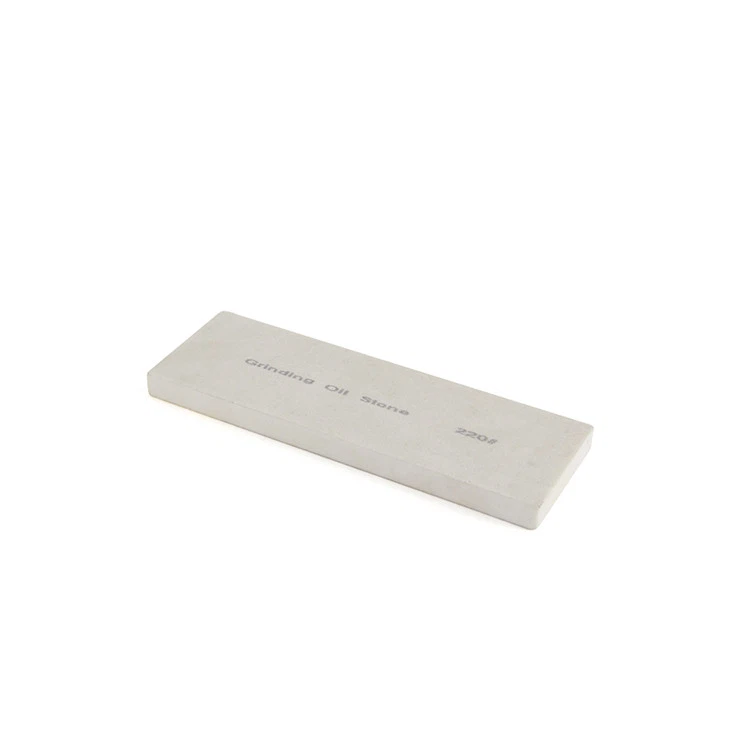

Finally, in the solar energy industry, CNC diamond milling wheels are used to manufacture Solar Glass Diamond Grinding Wheels. These wheels need to have a high spindle power to cut through the thick and tough glass used in solar panels, ensuring that the panels are produced with the highest level of efficiency and quality.
So, how do you choose the right spindle power for your CNC diamond milling wheel? Well, it really depends on your specific application and requirements. If you're working with harder materials or need to achieve a high level of precision, you'll likely need a higher spindle power. On the other hand, if you're working with softer materials or have less demanding applications, a lower spindle power may be sufficient.
It's also important to consider the size and type of the milling wheel. Larger wheels generally require more spindle power to operate effectively, while smaller wheels may be able to function with a lower power. Additionally, different types of milling wheels, such as those with different diamond concentrations or bond types, may have different power requirements.
In conclusion, the spindle power of a CNC diamond milling wheel has a significant impact on its performance. It affects the wheel's ability to handle different materials, the feed rate, the surface finish of the workpiece, and its suitability for various applications. By choosing the right spindle power for your specific needs, you can ensure that your CNC diamond milling wheel operates at its best, delivering high-quality results and maximizing your productivity.
If you're interested in learning more about CNC diamond milling wheels or have any questions about choosing the right spindle power for your application, don't hesitate to reach out. We're here to help you find the perfect solution for your machining needs and can provide you with expert advice and support. Let's start a conversation and see how we can work together to take your projects to the next level!
References
- "Machining Handbook" by Industrial Press Inc.
- "Diamond Tools for Precision Machining" by various industry experts