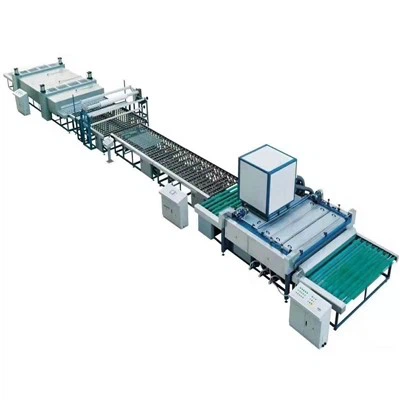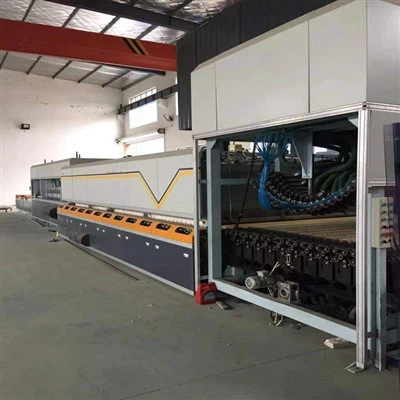
As a supplier of Glass Laminating Equipment, I understand the importance of proper storage during off - seasons. In this blog, I'll share some professional insights and practical tips on how to store your glass laminating equipment effectively to ensure its longevity and optimal performance when the busy season returns.
Why Proper Storage Matters
Glass laminating equipment is a significant investment for any glass manufacturing business. These machines are complex and often involve high - precision components. If not stored correctly during off - seasons, they can be subject to various forms of damage, such as corrosion, mechanical wear, and electrical malfunctions. This can lead to costly repairs and downtime when you need the equipment to be up and running again.

Pre - Storage Preparation
Before you store your glass laminating equipment, a series of preparatory steps are essential.
Cleaning
Thorough cleaning is the first and most crucial step. Remove all glass debris, adhesives, and other residues from the machine. Use appropriate cleaning agents that are compatible with the materials of the equipment. For example, for the metal parts, a mild degreaser can be used to remove oil and grease. The glass - contact surfaces should be cleaned with a non - abrasive glass cleaner to avoid scratching.
Inspection
Conduct a comprehensive inspection of the equipment. Check for any signs of wear and tear, loose parts, or potential mechanical issues. Look at the belts, chains, and gears for proper tension and alignment. Inspect the electrical components for any frayed wires or loose connections. If any problems are detected, it's advisable to repair them before storage to prevent further deterioration.
Lubrication
Lubricate all moving parts according to the manufacturer's recommendations. This helps to prevent rust and corrosion and ensures smooth operation when the equipment is restarted. Use high - quality lubricants suitable for the specific parts of the glass laminating equipment. For example, bearings may require a special high - temperature grease, while other moving parts may need a light - weight oil.
Storage Environment
The storage environment plays a vital role in preserving the condition of the glass laminating equipment.
Temperature and Humidity
The ideal storage temperature should be within a stable range, typically between 10°C and 30°C. Extreme temperatures can cause thermal expansion and contraction of the equipment's components, leading to mechanical stress and potential damage. High humidity can lead to corrosion, especially on metal parts. Aim for a relative humidity level of around 40% - 60%. If necessary, use dehumidifiers or heaters to maintain the appropriate temperature and humidity conditions in the storage area.
Ventilation
Good ventilation is necessary to prevent the build - up of moisture and harmful gases. Stagnant air can promote the growth of mold and mildew, which can damage the equipment's surfaces and electrical components. Ensure that the storage area has proper air circulation, either through natural ventilation or the use of fans.
Protection from Dust and Debris
Cover the glass laminating equipment with dust covers made of suitable materials. These covers should be breathable to prevent the build - up of moisture while still protecting the equipment from dust and debris. Additionally, the storage area should be kept clean and free from any loose particles that could potentially enter the equipment.
Specific Storage Considerations for Different Types of Equipment
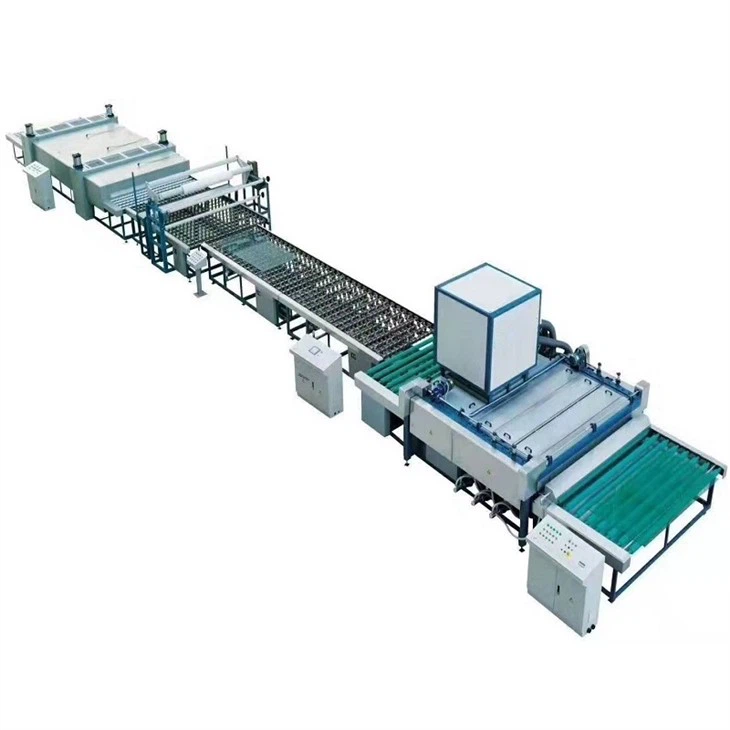
Automatic Laminated Glass Production Line
This type of equipment often consists of multiple interconnected units. When storing, make sure to secure all the moving parts and connections. If possible, disassemble some of the removable parts for easier storage and to prevent damage during handling. Label all the parts clearly to ensure easy reassembly later.
Glass Laminating Equipment
For individual glass laminating machines, pay special attention to the pressure - applying components. Release any built - up pressure in the hydraulic or pneumatic systems to prevent leaks and damage to the seals. Also, protect the control panels from dust and moisture as they are sensitive to environmental factors.
Glass Lamination Production Line
A complete glass lamination production line may involve conveyors, heating units, and other complex systems. Store the conveyors in a position where the belts are not under excessive tension. For the heating units, ensure that the heating elements are properly insulated and protected to prevent damage.
Long - Term Monitoring
Even during storage, it's important to monitor the equipment periodically. Check the storage environment regularly to ensure that the temperature, humidity, and ventilation conditions are still within the acceptable range. Inspect the equipment for any signs of damage or deterioration. If any issues are detected, take appropriate measures immediately.
Reactivation of the Equipment
When the off - season is over and it's time to reactivate the glass laminating equipment, follow a proper start - up procedure. First, clean the equipment again to remove any dust or debris that may have accumulated during storage. Check all the lubrication levels and replenish if necessary. Then, perform a series of test runs at low speeds to ensure that all the components are functioning properly.
Conclusion
Proper storage of glass laminating equipment during off - seasons is a crucial aspect of equipment management. By following the steps outlined in this blog, you can significantly extend the lifespan of your equipment, reduce maintenance costs, and ensure its reliable performance when you need it most.
If you are in the market for high - quality Glass Laminating Equipment or need more advice on equipment storage and maintenance, feel free to reach out to us. We are committed to providing you with the best products and services to meet your glass manufacturing needs.
References
- Manufacturer's manuals for glass laminating equipment
- Industry standards and guidelines for equipment storage and maintenance