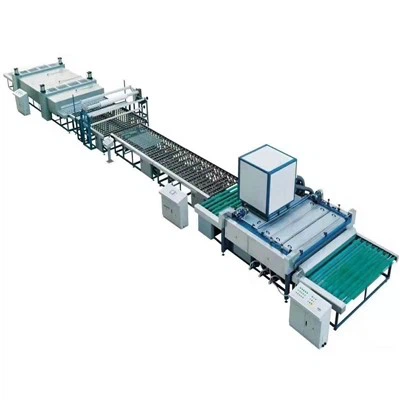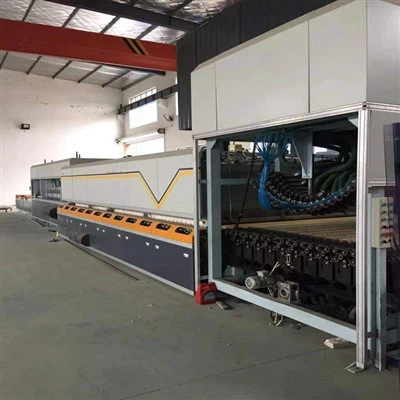
Hey there! As a supplier of Solar Glass Tempering Furnaces, I've seen firsthand how these machines can make a huge difference in the quality of solar glass products. So, let's dive into what impact a solar glass tempering furnace has on the overall quality of solar glass.
First off, let's understand what tempering is. Tempering is a heat treatment process that makes glass stronger and more resistant to breakage. When it comes to solar glass, this process is super important. Solar panels are often installed in all sorts of environments, from sunny deserts to windy coastal areas. They need to be tough enough to withstand different weather conditions, and that's where a good tempering furnace comes in.
One of the major impacts of a solar glass tempering furnace on quality is in terms of strength. A well - tempered solar glass can withstand much higher levels of stress compared to non - tempered glass. For example, it can handle the pressure from strong winds, heavy snow, or even small impacts from hailstones. This means that solar panels made with tempered glass are less likely to break during their lifespan, which is a huge plus for both the manufacturer and the end - user.
Another aspect is safety. Tempered glass has a unique property. When it does break, it shatters into small, blunt pieces instead of large, sharp shards. This is a crucial safety feature, especially in areas where people might come into contact with broken solar panels. For instance, if a solar panel on a residential rooftop breaks, the tempered glass reduces the risk of serious injuries. A high - quality solar glass tempering furnace ensures that this safety standard is met consistently.
Now, let's talk about optical quality. Solar glass needs to have excellent light transmission properties so that the solar cells can absorb as much sunlight as possible. A good tempering furnace helps maintain the optical clarity of the glass. During the tempering process, if the temperature and heating rate are not controlled properly, it can cause the glass to develop internal stresses that might affect its transparency. Our Horizontal Flat Glass Tempering Furnace is designed to precisely control these parameters, ensuring that the solar glass retains its high - quality optical properties.
Thermal stability is also an important factor. Solar panels are exposed to a wide range of temperatures throughout the day, from hot afternoons to cold nights. Tempered glass has better thermal stability compared to non - tempered glass. It can expand and contract with temperature changes without cracking. A reliable solar glass tempering furnace can create glass with the right amount of internal stress to handle these thermal fluctuations. This is essential for the long - term performance of solar panels, as any cracks due to thermal stress can significantly reduce their efficiency.
When it comes to manufacturing efficiency, a good tempering furnace can also have a positive impact on the overall quality of solar glass. Our Glass Strengthening Furnace is designed to be highly automated. It can temper glass quickly and consistently, reducing the chances of human error. This leads to a more uniform product, where each piece of solar glass meets the same high - quality standards. In mass production, this consistency is key to ensuring that all solar panels in a batch perform equally well.
In the automotive industry, solar glass is also used in some applications. Our Automotive Glass Tempering Furnace is specifically designed to meet the strict quality requirements of automotive glass. Automotive solar glass needs to be not only strong and safe but also have excellent optical properties for clear visibility. The tempering process in our automotive furnace ensures that these requirements are met, making the glass suitable for use in cars, buses, and other vehicles.
The durability of solar glass is another area where a tempering furnace makes a difference. Over time, solar glass can be exposed to environmental factors like UV radiation, moisture, and chemicals. Tempered glass is more resistant to these elements. A well - tempered solar glass can maintain its strength and optical properties for a longer period, which means that solar panels will have a longer lifespan. This is beneficial for the environment as well, as it reduces the need for frequent replacements.
Now, you might be wondering how to choose the right solar glass tempering furnace. Well, there are a few things to consider. First, look at the furnace's temperature control system. Precise temperature control is essential for achieving the right level of tempering. Also, consider the furnace's production capacity. If you're a large - scale manufacturer, you'll need a furnace that can handle high - volume production without sacrificing quality.

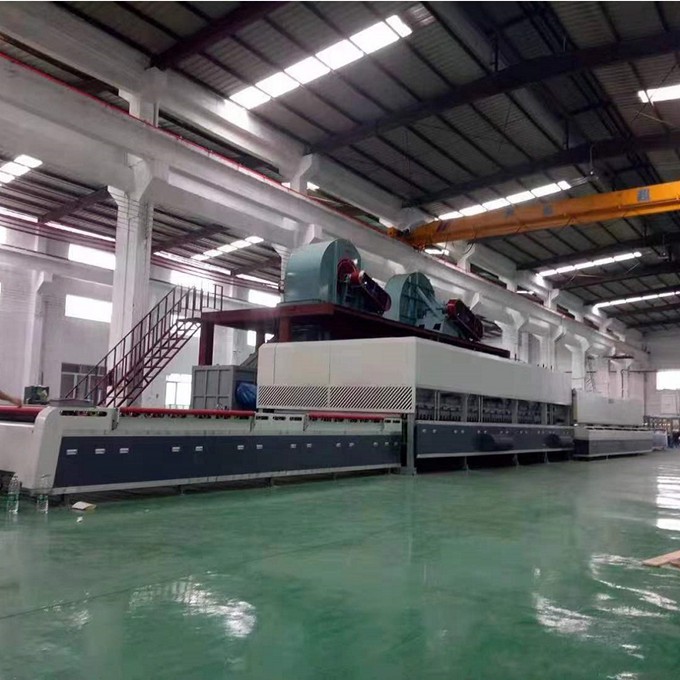
In conclusion, a solar glass tempering furnace has a profound impact on the overall quality of solar glass products. It enhances strength, safety, optical quality, thermal stability, and durability. Whether you're in the solar panel manufacturing business or the automotive industry, investing in a high - quality tempering furnace is a smart move.
If you're interested in improving the quality of your solar glass products and want to learn more about our Solar Glass Tempering Furnaces, don't hesitate to reach out. We're here to help you find the perfect solution for your needs and ensure that your solar glass meets the highest quality standards.
References
- Glass Science and Technology: Volume 1 - Fundamentals of Glass Science, By David R. Uhlmann, Neil J. Kreidl
- Handbook of Glass Properties, By Alexander L. Grebennikov