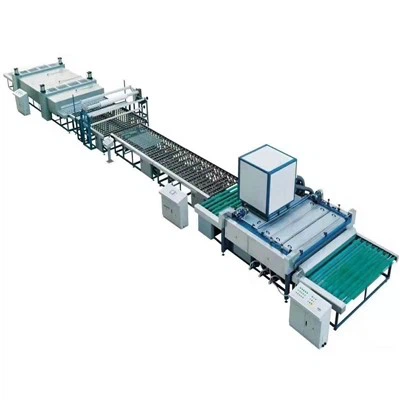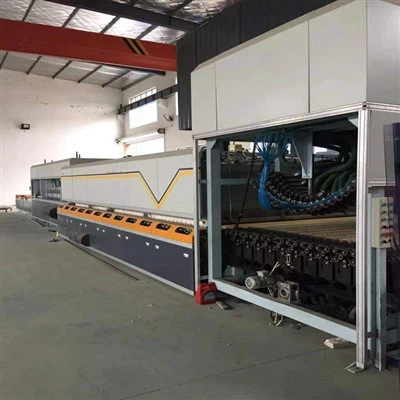
In the contemporary glass manufacturing industry, glass lamination machines play a pivotal role in producing high - quality laminated glass products. As a supplier of glass lamination machines, I have witnessed firsthand the significant influence that an operator's skill level can have on the performance of these machines. This blog post aims to explore the multifaceted impact of an operator's proficiency on the operation and output of glass lamination machines.
1. Quality of Laminated Glass Products
The skill level of an operator is directly correlated with the quality of the laminated glass produced. A highly skilled operator has a deep understanding of the lamination process, including the optimal temperature, pressure, and time settings. For instance, in the lamination process, the temperature needs to be precisely controlled. If the temperature is too high, the interlayer material may melt unevenly, leading to bubbles or delamination in the final product. On the other hand, if the temperature is too low, the bonding between the glass layers and the interlayer may be insufficient, resulting in poor adhesion.
Skilled operators are also adept at handling the glass sheets and the interlayer material. They know how to properly align the glass sheets and the interlayer to ensure a seamless lamination. This attention to detail reduces the occurrence of defects such as misalignment, air pockets, and scratches on the glass surface. In contrast, less - skilled operators may struggle with these tasks, leading to a higher rate of defective products.
2. Machine Efficiency
An operator's skill level can greatly affect the efficiency of a glass lamination machine. Experienced operators are familiar with the machine's functions and capabilities. They can quickly set up the machine for different production runs, adjusting the parameters according to the specific requirements of the glass products. This reduces the downtime between production batches, allowing the machine to operate at its maximum capacity for a longer period.
Moreover, skilled operators are better at troubleshooting. When a minor issue occurs during the lamination process, such as a sensor malfunction or a minor mechanical problem, they can identify the root cause and take appropriate measures to resolve it promptly. This prevents the problem from escalating into a major breakdown, which could halt production for an extended period. In contrast, inexperienced operators may waste a significant amount of time trying to diagnose the problem or may even make the situation worse by attempting incorrect solutions.
3. Safety
Safety is a crucial aspect of operating a glass lamination machine. A skilled operator is well - versed in the safety protocols and procedures associated with the machine. They know how to handle the glass sheets safely to avoid injuries, such as cuts from broken glass. They also understand the importance of wearing appropriate personal protective equipment (PPE), such as gloves and safety glasses.
In addition, experienced operators are more likely to notice potential safety hazards in the working environment. For example, they can identify loose electrical connections, worn - out belts, or other mechanical issues that could pose a safety risk. By addressing these issues promptly, they can prevent accidents and ensure a safe working environment for themselves and their colleagues.


4. Cost - Effectiveness
The skill level of an operator can have a significant impact on the cost - effectiveness of using a glass lamination machine. As mentioned earlier, skilled operators produce fewer defective products. This reduces the amount of waste material and the cost associated with rework or scrap. Additionally, their ability to operate the machine efficiently means that more products can be produced in a given time frame, increasing the overall productivity and profitability of the production process.
Skilled operators also have a better understanding of the machine's maintenance requirements. They can perform routine maintenance tasks, such as cleaning, lubrication, and inspection, in a timely manner. This helps to extend the lifespan of the machine and reduces the frequency of major repairs, which can be costly. In contrast, inexperienced operators may neglect these maintenance tasks, leading to premature wear and tear of the machine and higher maintenance costs in the long run.
5. Adaptability to New Technologies
The glass lamination industry is constantly evolving, with new technologies and features being introduced to glass lamination machines. Skilled operators are more likely to adapt to these new technologies quickly. They have a greater capacity for learning and can understand and implement new operating procedures and features.
For example, modern glass lamination machines may be equipped with advanced control systems that allow for more precise parameter adjustment and monitoring. Skilled operators can take full advantage of these features to improve the quality and efficiency of the lamination process. In contrast, less - skilled operators may find it difficult to adapt to these new technologies, which could limit the machine's performance and the company's competitiveness in the market.
Our Offerings
As a glass lamination machine supplier, we offer a range of high - quality machines, including the Automatic Laminated Glass Production Line, Glass Laminating Equipment, and Glass Lamination Production Line. Our machines are designed to be user - friendly, but we also understand the importance of operator training. We provide comprehensive training programs to ensure that our customers' operators have the necessary skills to operate our machines effectively.
Conclusion
In conclusion, the skill level of an operator has a profound impact on the performance of a glass lamination machine. It affects the quality of the products, the efficiency of the machine, safety, cost - effectiveness, and the ability to adapt to new technologies. As a glass lamination machine supplier, we are committed to providing not only high - quality machines but also the support and training needed to help our customers' operators reach their full potential.
If you are interested in our glass lamination machines or would like to discuss your specific requirements, please feel free to contact us. We look forward to the opportunity to work with you and contribute to the success of your glass manufacturing business.
References
- Glass Manufacturing Handbook: A comprehensive guide to glass production processes and equipment.
- Industry reports on glass lamination technology and trends.
- Research papers on the impact of operator skills on industrial machine performance.